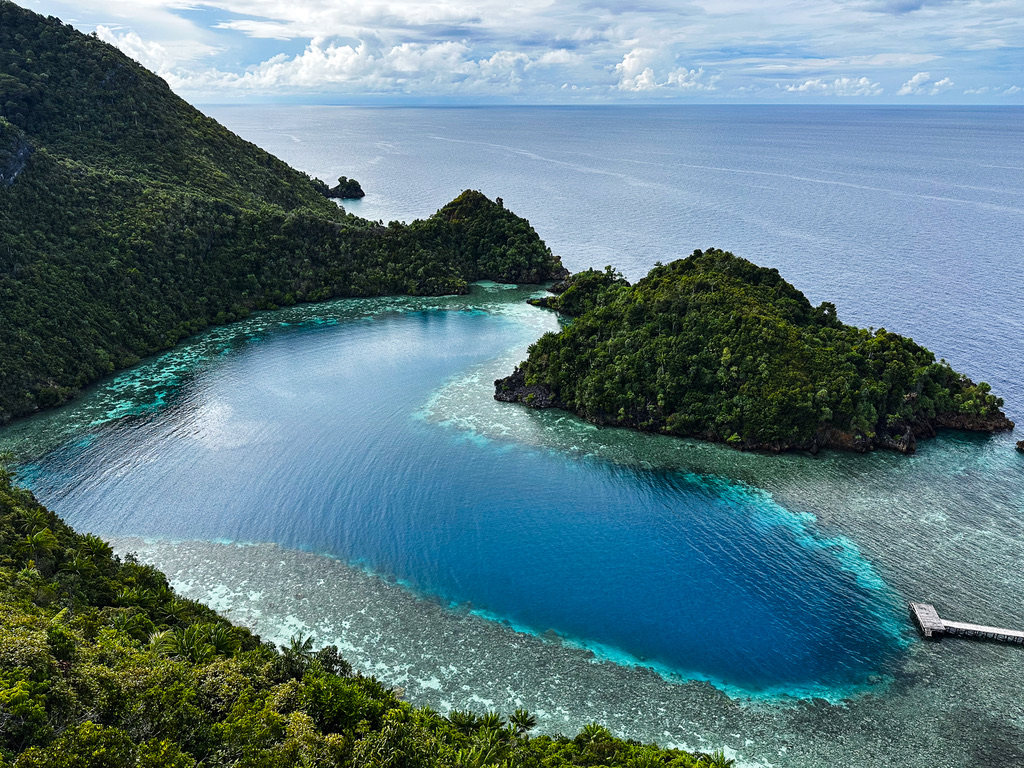
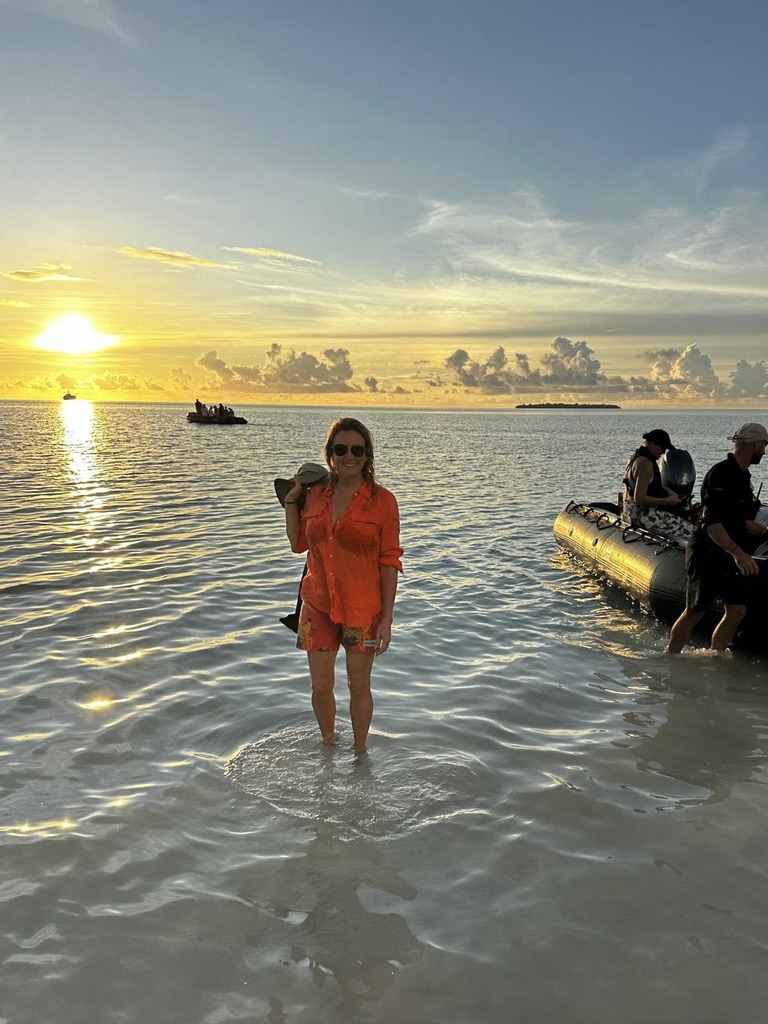
What constitutes the holiday of a lifetime? I’m not sure I can come up with a definition, but I am certain that exploring the remote islands of Raja Ampat, aboard a luxury expedition ship, is a top contender. The islands lie at the eastern end of the Indonesian archipelago, just off the tip of West Papua. At the heart of the Coral Triangle. In terms of snorkelling and scuba diving, this is as good as it gets. With unmatched marine diversity, vibrant coral reefs, uninhabited limestone islands and exotic birds, Raja Ampat is a paradise for nature lovers. Add to that: sundowners on remote white sandy beaches, gourmet meals, Spice Trade history, fantastic guides, super-friendly staff, a bunch of adventurous fellow travellers, and you’ve got an unforgettable holiday. The ultimate escape from the mad world. My only concern: why does it have to end?
Expedition Cruising
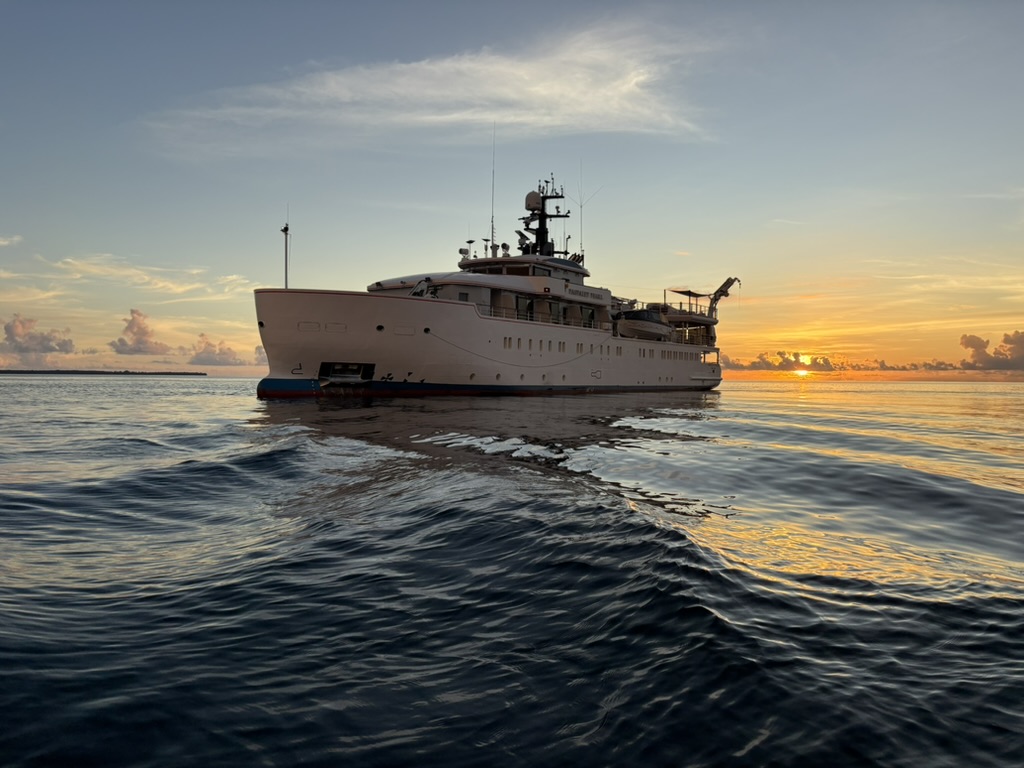
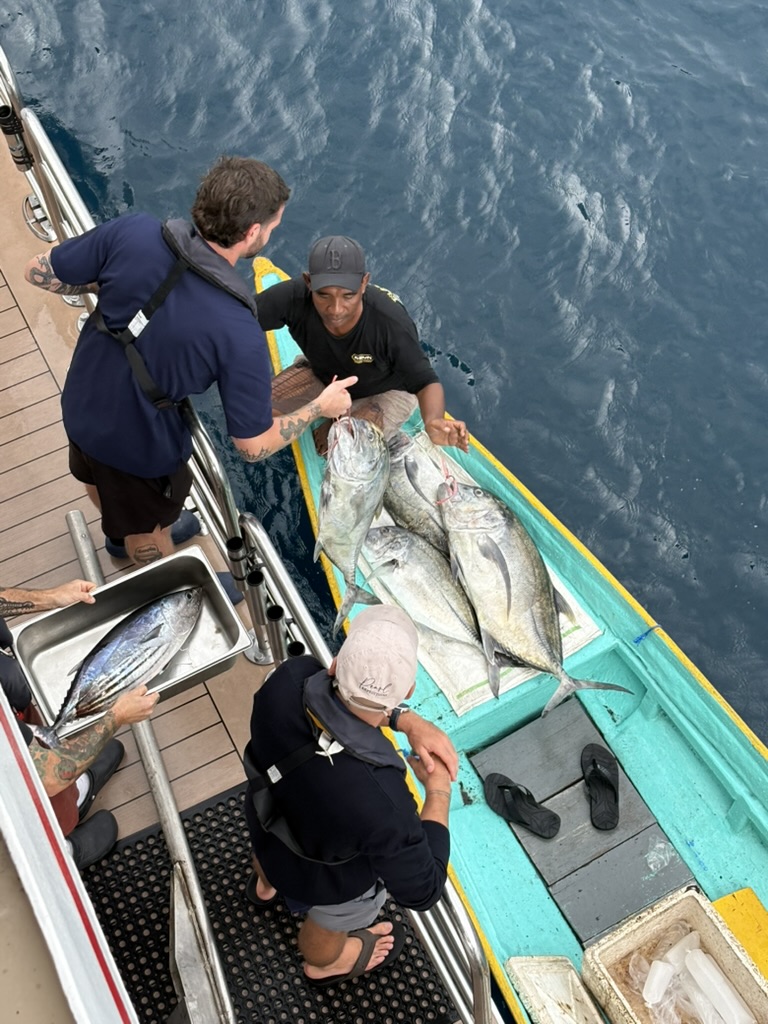
Our 12-day expedition cruise aboard the Paspaley Pearl, begins in East Timor’s capital Dili. From there we sail for two days – over deep-sea trenches, through tropical storms and golden sunsets. Flying fish leap from the bow waves, whales blow in the distance, while frigates and boobies soar alongside us. At the Kei Islands, we are greeted by singing children – some with ukuleles, others with bows and arrows. I wonder if the latter are more of a warning than a welcome, but the villagers are all smiles, and generous with the fresh coconuts and sweets.
The Four Kings
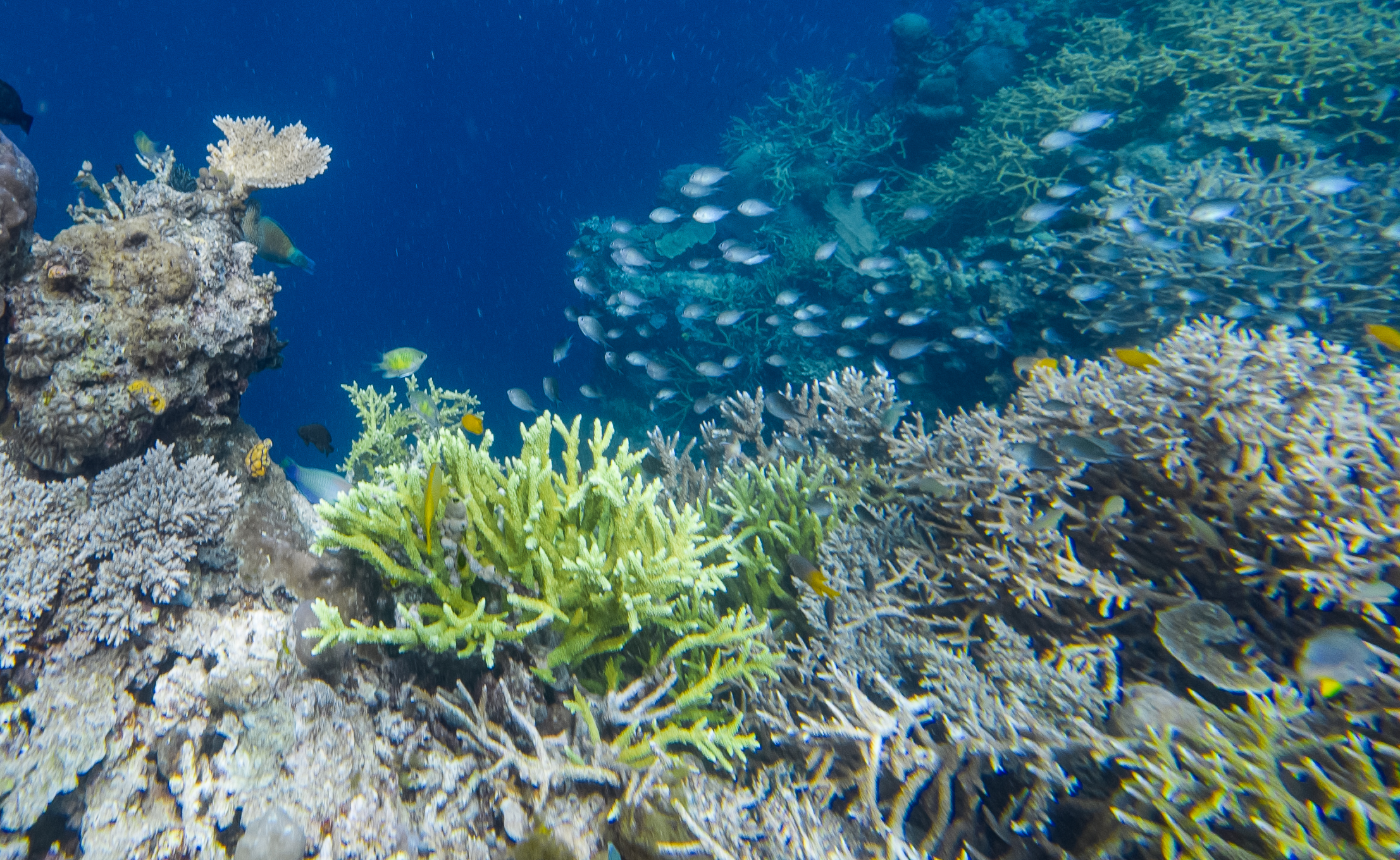
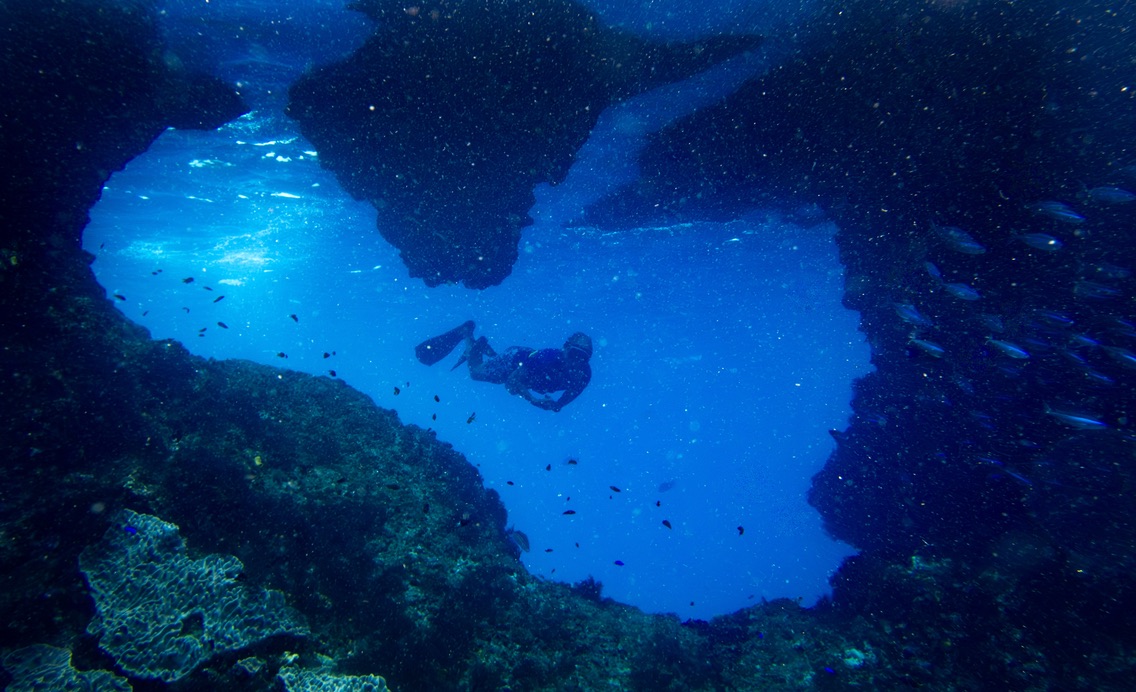
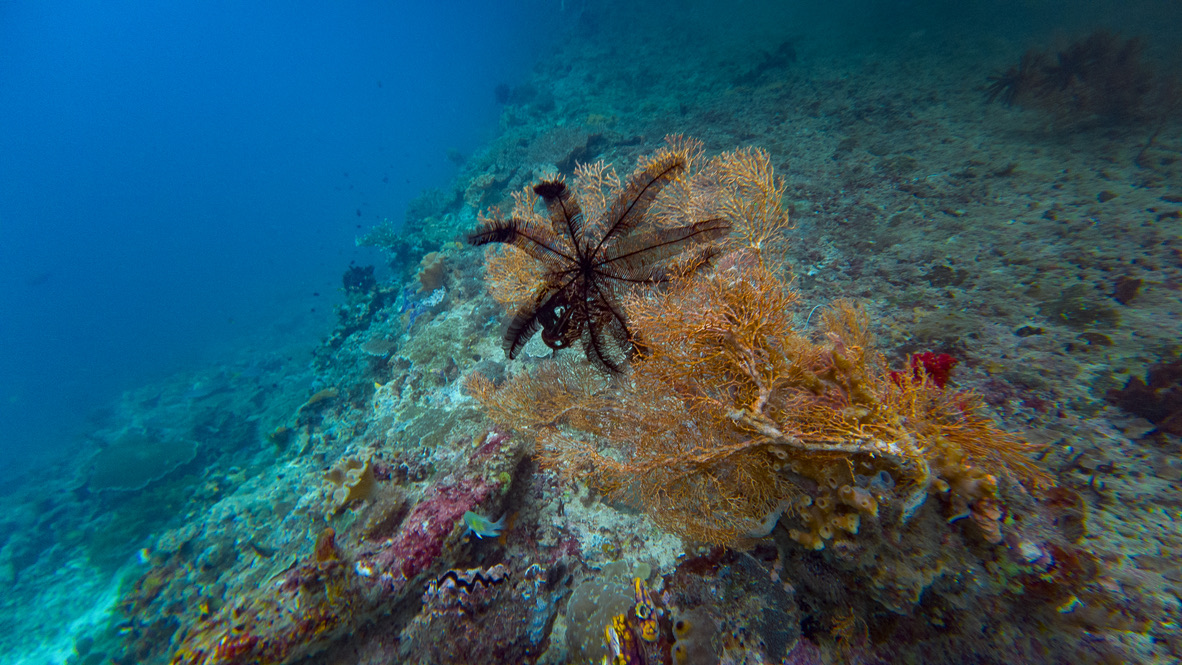
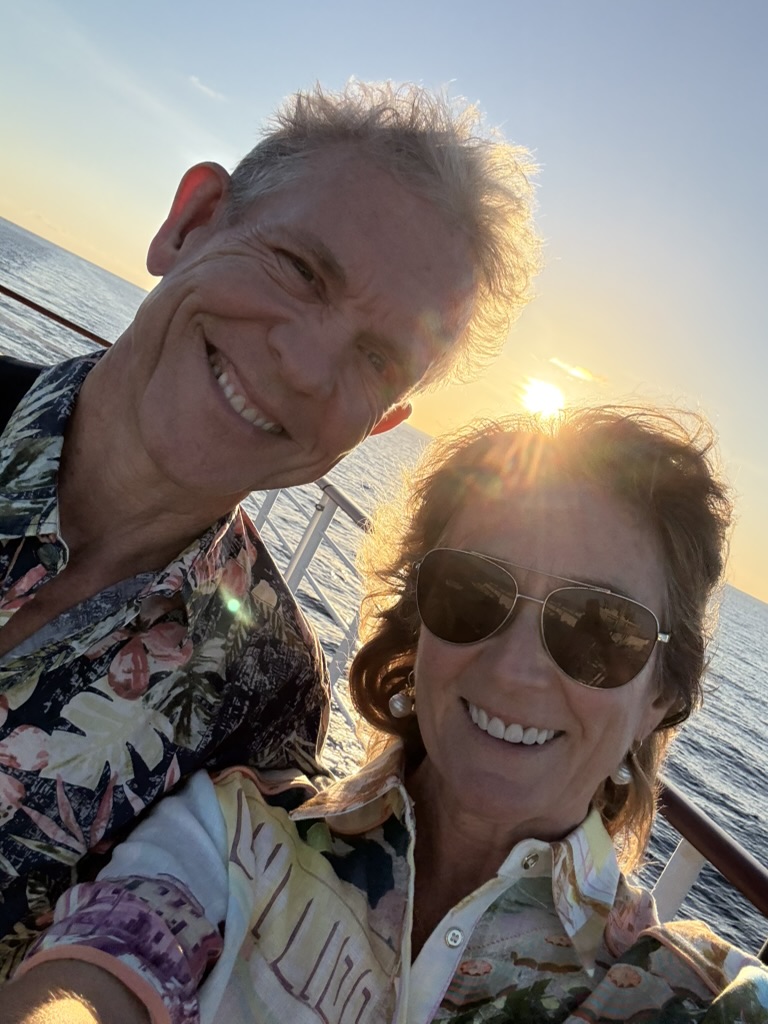
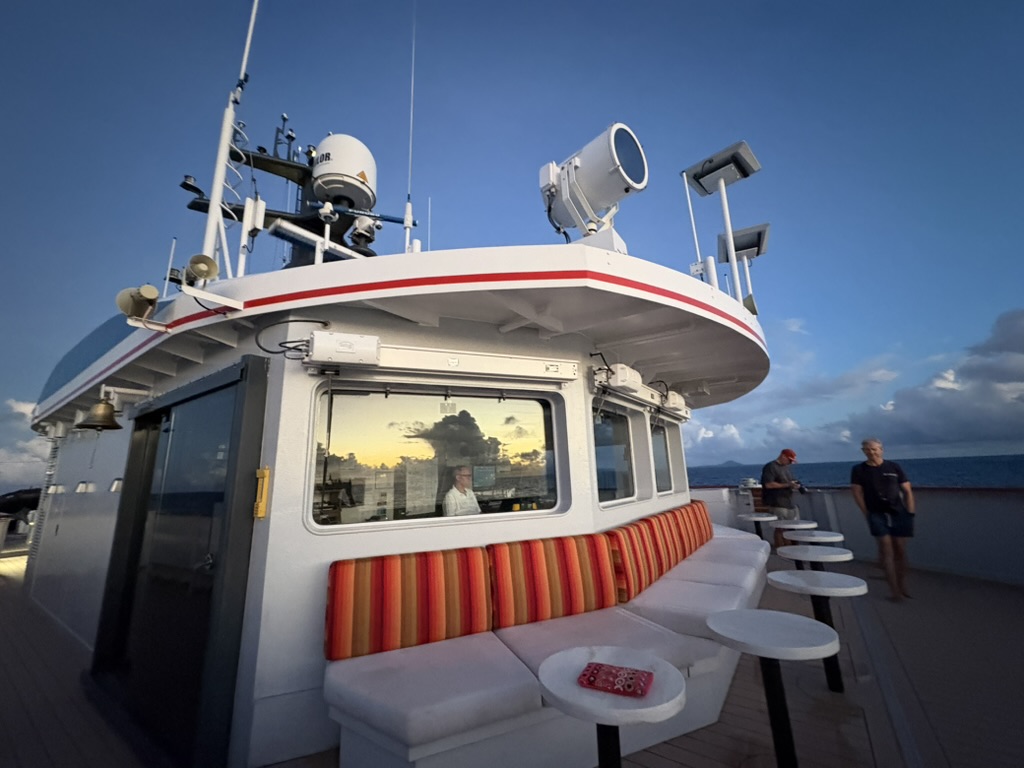
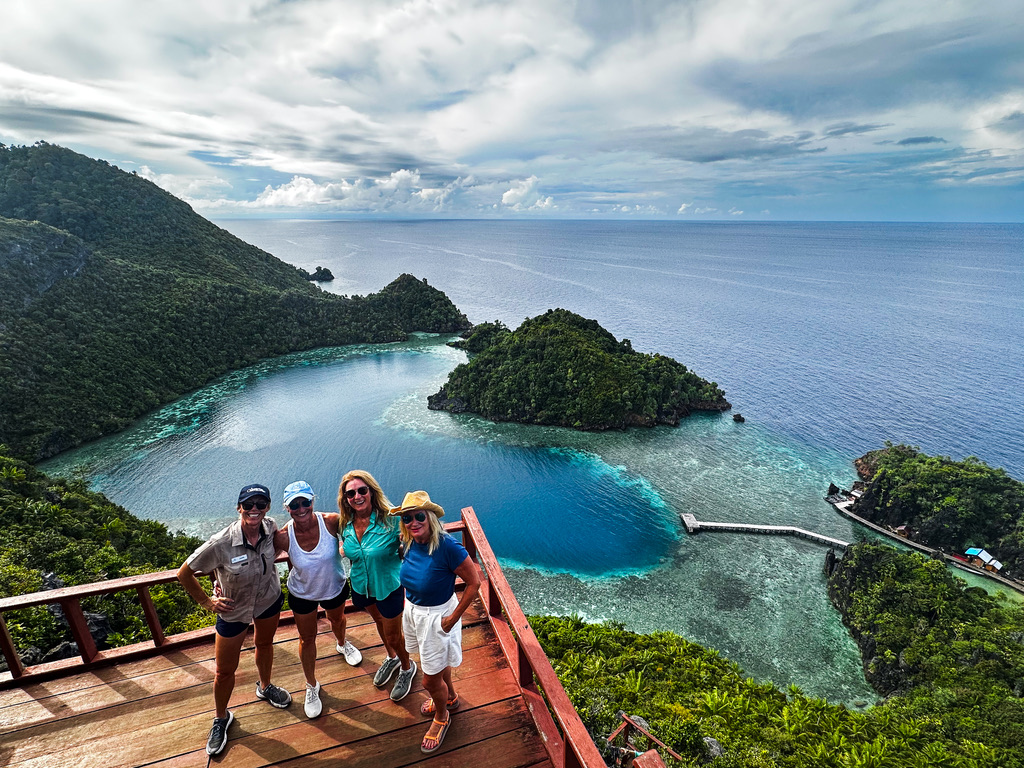
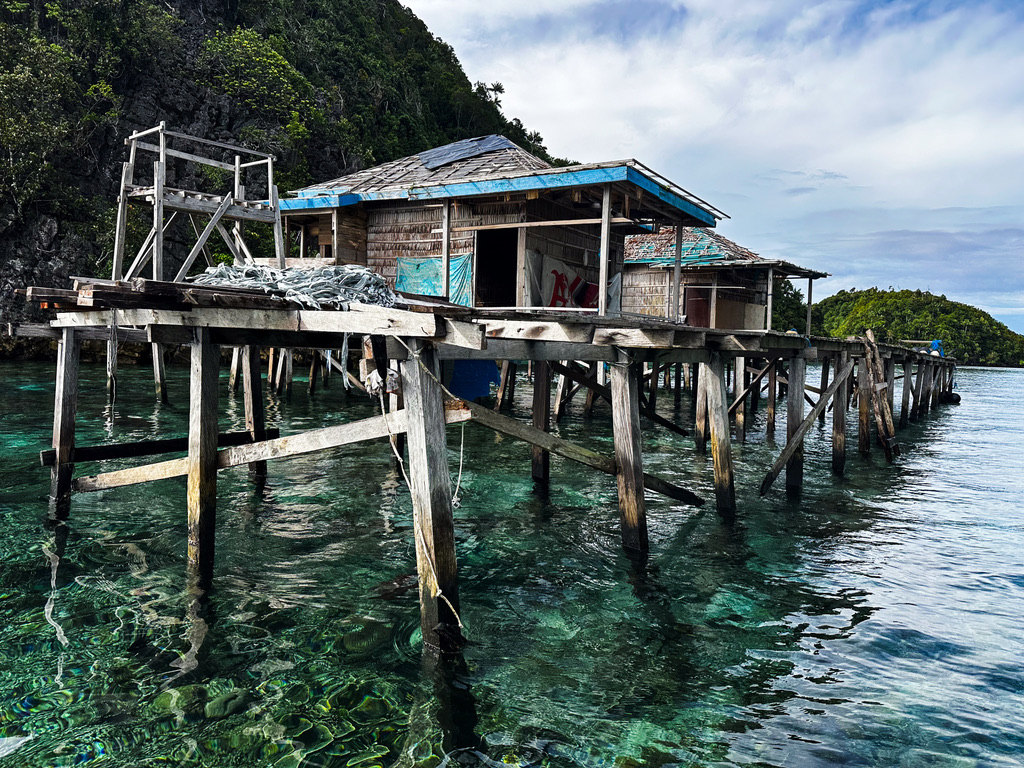
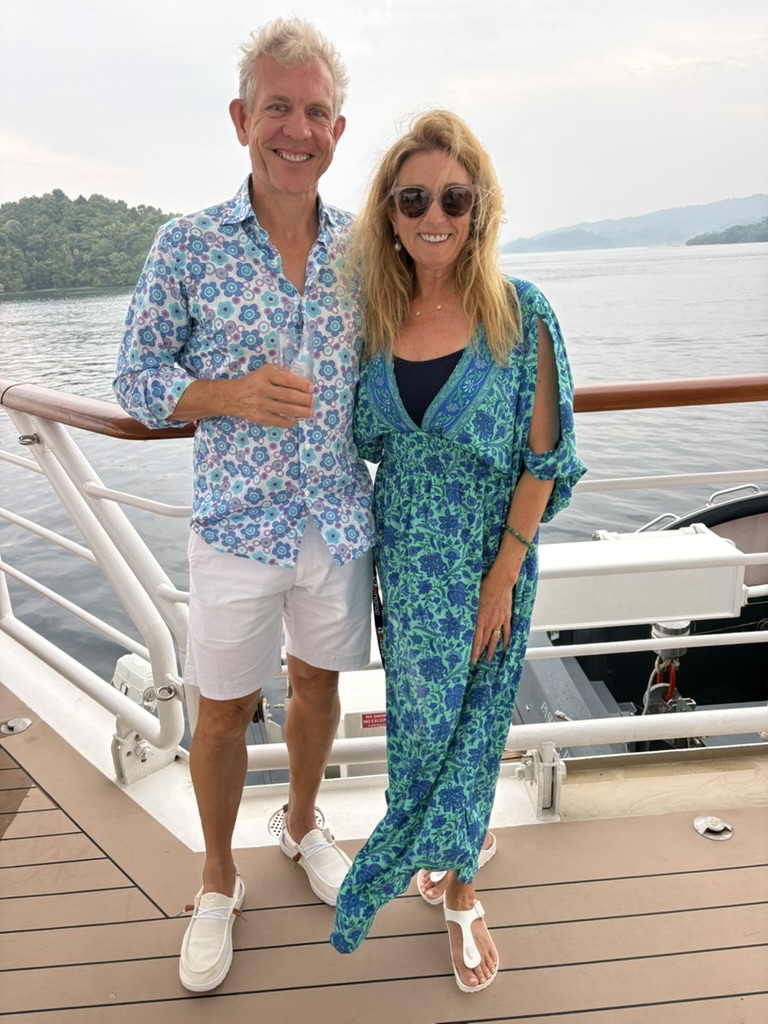
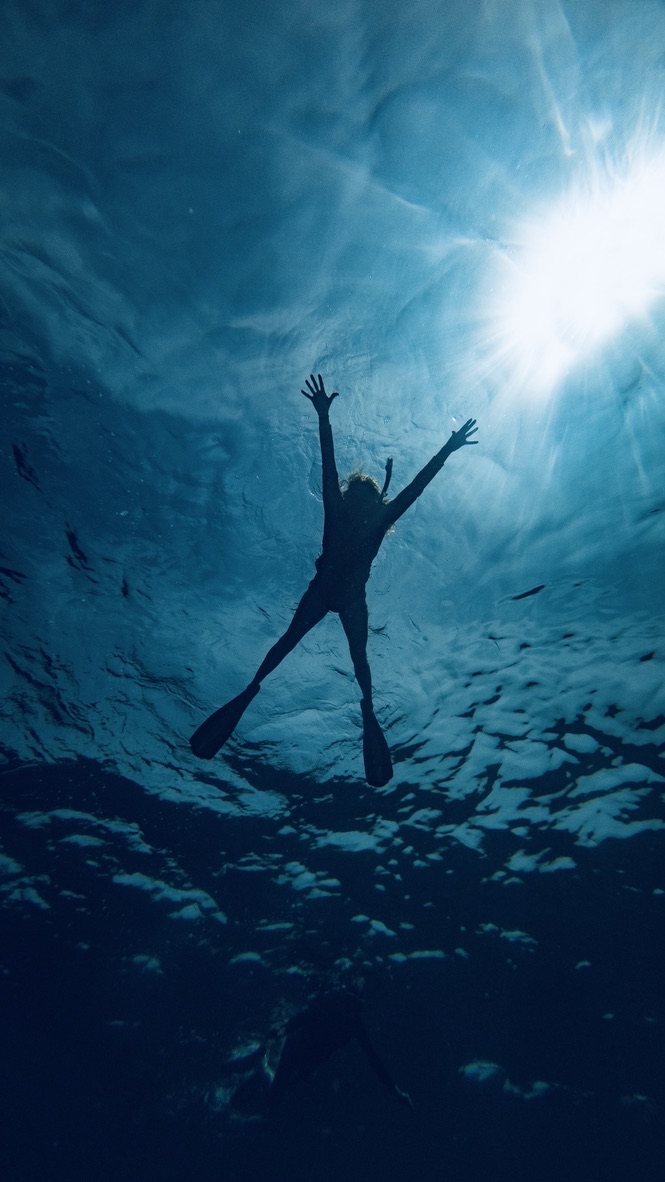
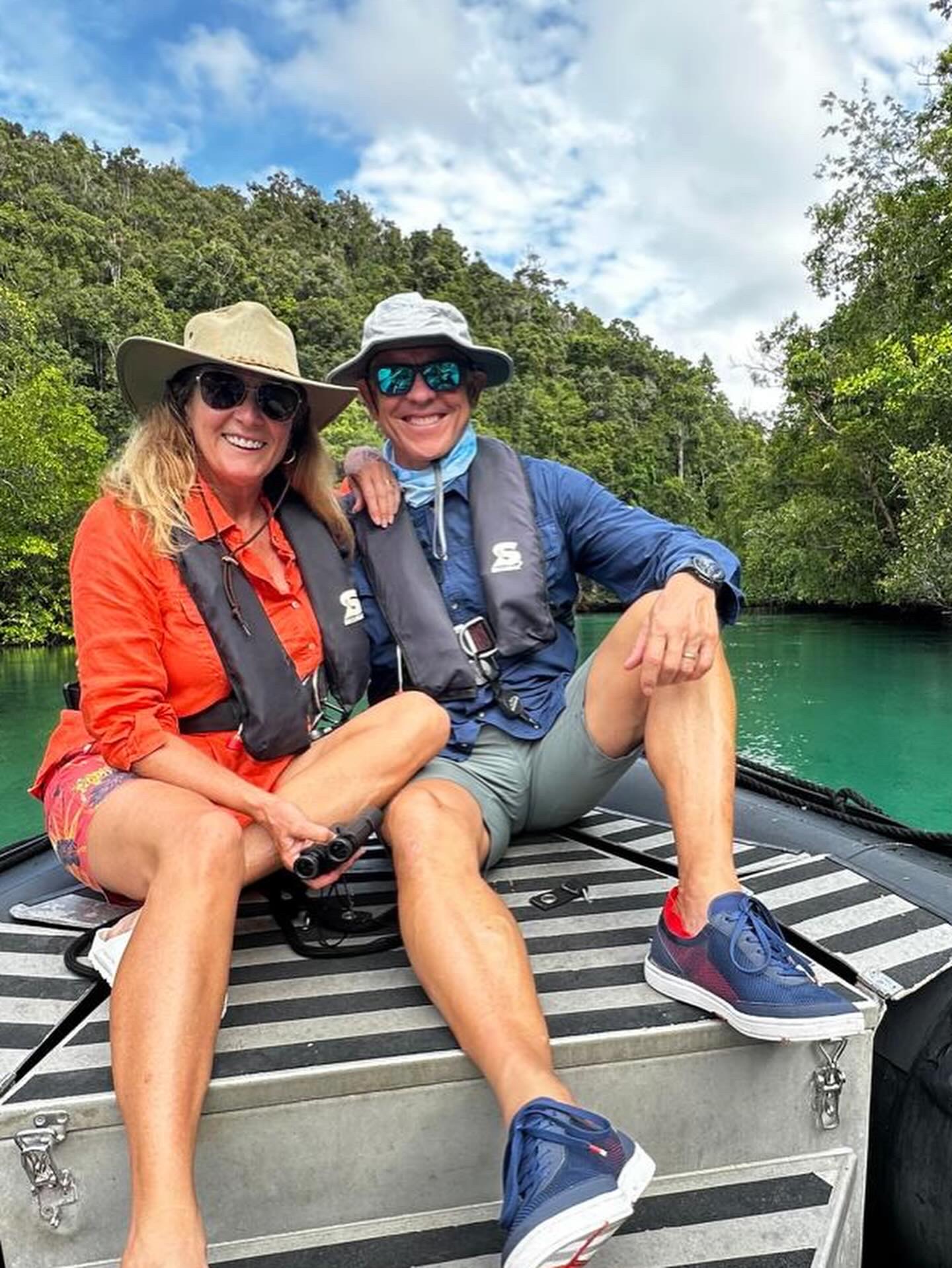
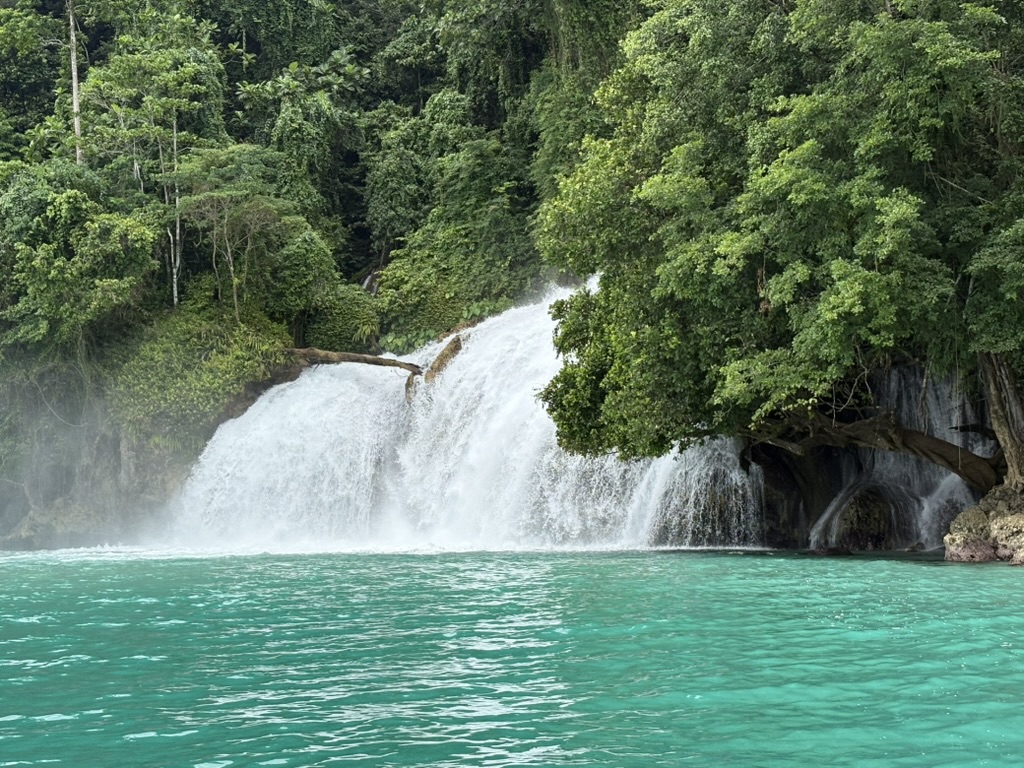
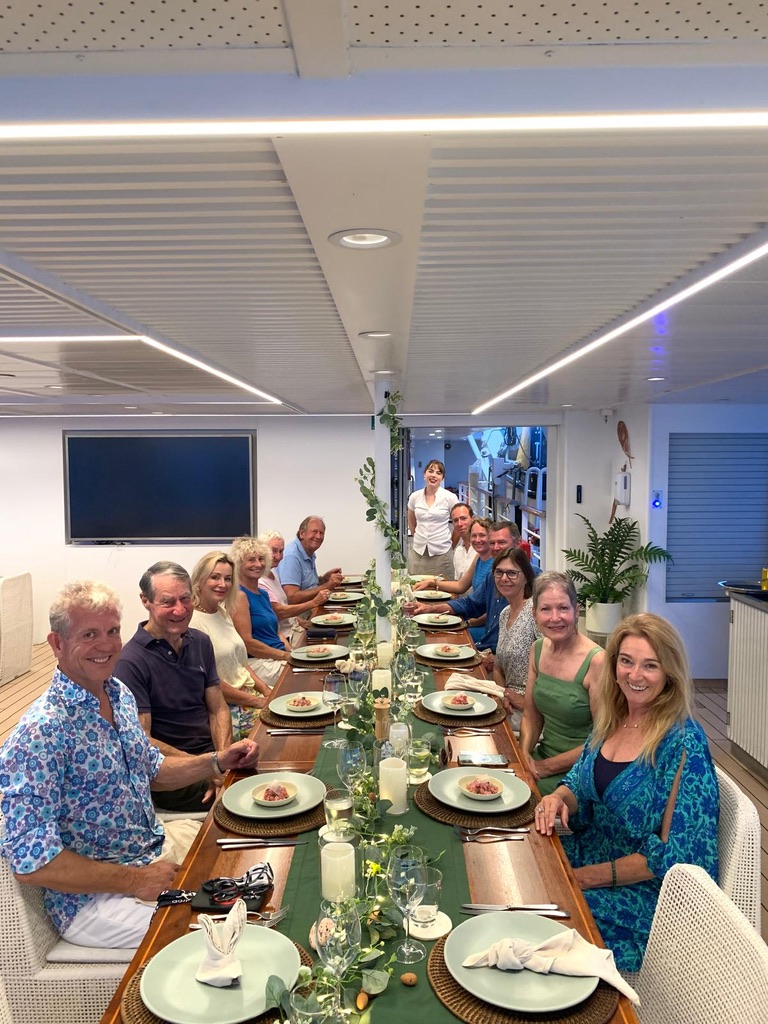
When we reach the islands of Raja Ampat (which literally means Four Kings in Bahasa) our days are filled with leisurely breakfasts, snorkelling excursions, hikes to mountain-top lookouts and sumptuous dinners with our new friends. Our ship accommodates just 30 passengers, but as it is not full, we have ample opportunity to get to know everyone on board. Our guides fill us with useful information about the fish and the coral species of this magical environment. I can’t say that all of it sticks, but it does give me a greater appreciation of the natural wonders below the surface of the ocean. I never tire of getting into an inflatable Zodiac with mask, snorkel and flippers. Of sliding into the equatorial warm water, tentatively venturing over the steep drop-off and exploring the thriving reef system. With 1500 species of fish found in the seas of Raja Ampat there is always something new to uncover. But it is the forest-covered limestone islands that seem to erupt from the ocean that give the setting its unique appearance. Everything feels surreal.
Birdlife
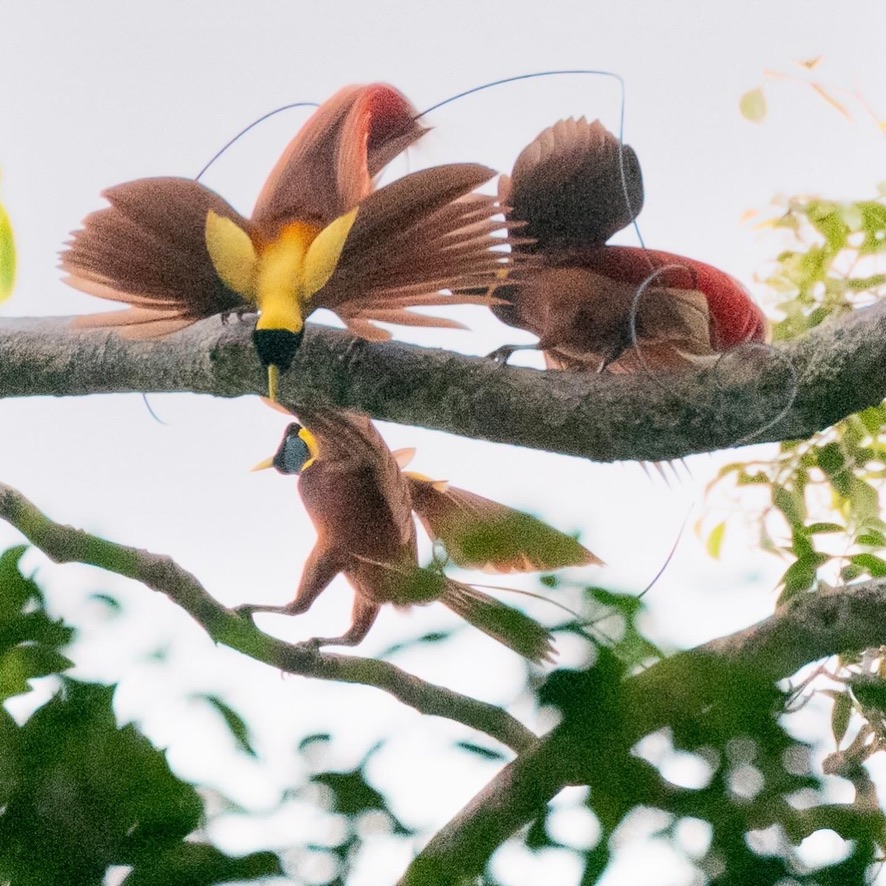
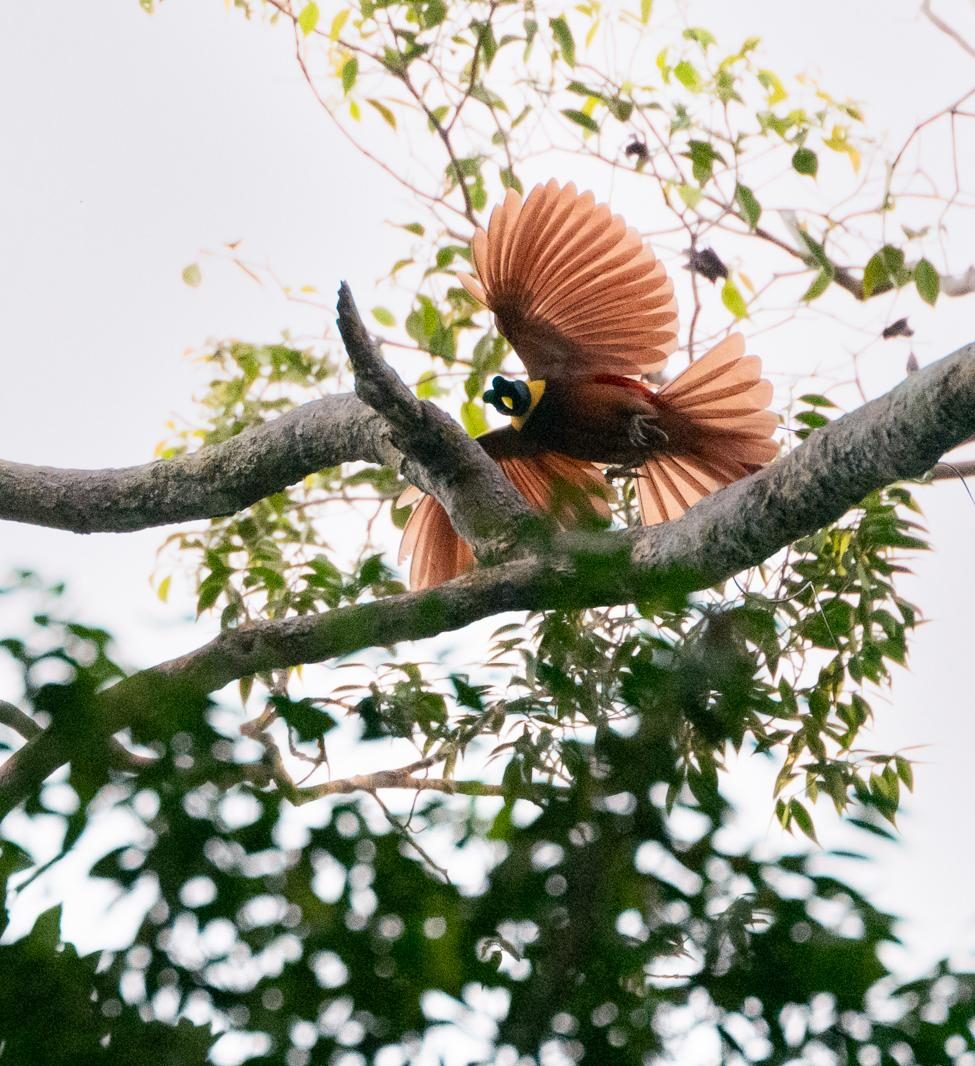
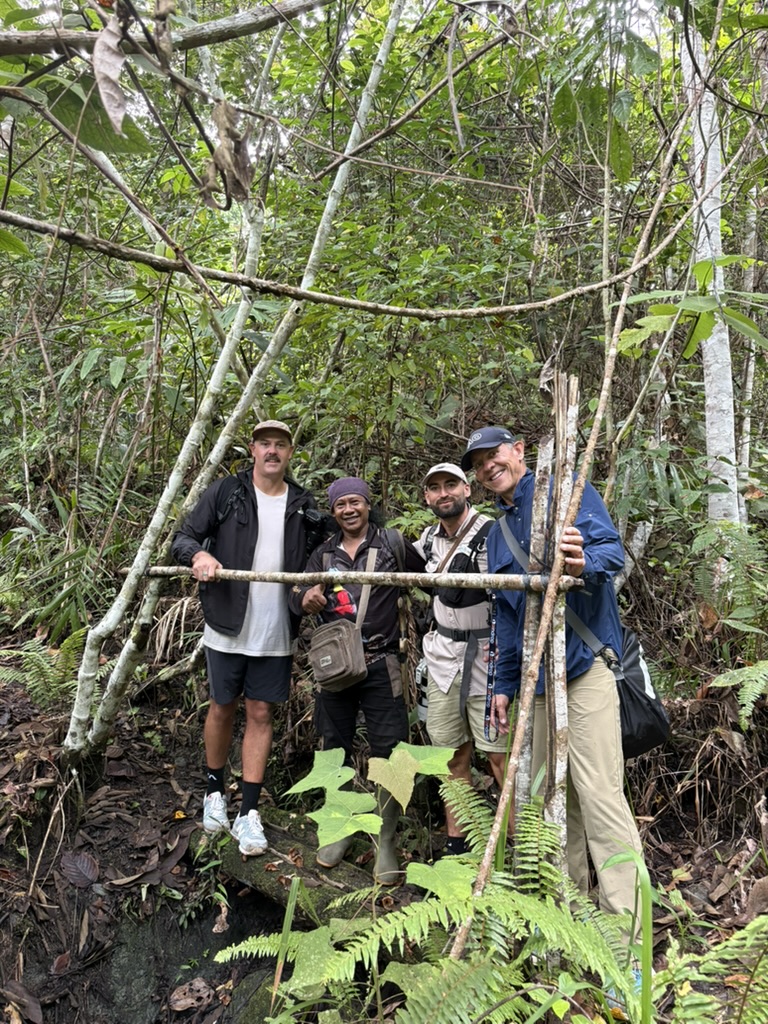
Raja Ampat’s birdlife credentials are almost as impressive as the marine life. We catch glimpses of hornbills high in the treetops, spot crowned pigeons and Rufous-bellied kookaburras. But it is the Birds of Paradise that I am most eager to see. For a chance to set eyes on these rare and spectacular birds, we rise well before dawn, board Zodiacs in the darkness, and head to the island of Waigeo. Once on the island, we drive out of town, along a steep muddy track, then hike further into the dark rainforest – following a local guide until we reach a bird hide. Then we cross our fingers. And wait. As dawn light seeps into the forest, our efforts are rewarded. At least 10 Red Birds of Paradise gather in a huge fig tree above us – the males literally shaking their tail feathers and dancing for the girls. There is so much noise and movement, the birds could be mistaken for a troupe of monkeys from a distance. It is utterly captivating, and a highlight of the trip for me.
Homeward Bound
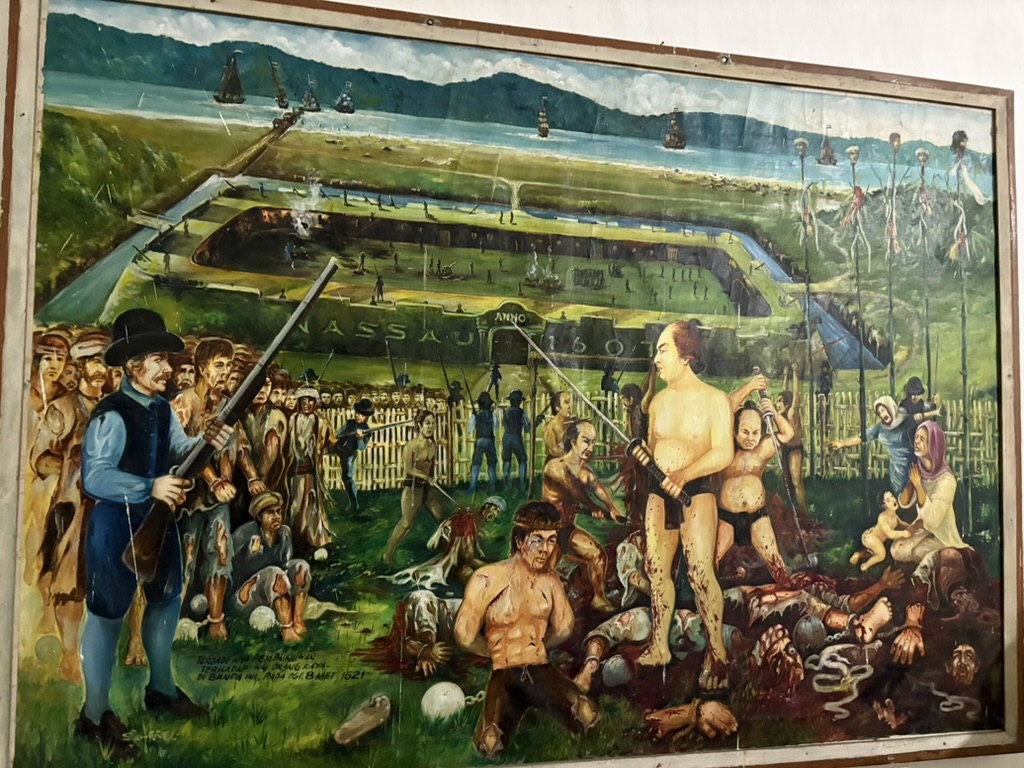
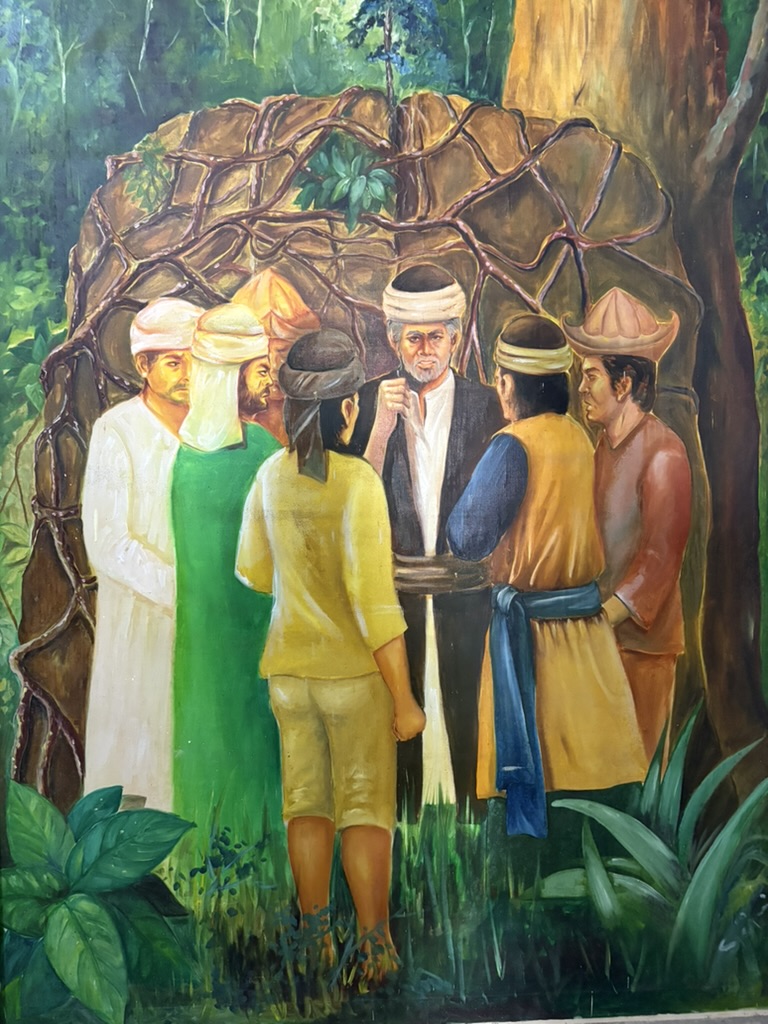
Our return journey takes us through the Spice Islands. These lush volcanic islands were the setting for bloody rivalry in the 1600s as European powers sought to control the supply of nutmeg and cloves. The Dutch East India company is notorious for using Japanese mercenaries to murder, enslave or exile the people of the Banda islands to make way for more compliant workers on the nutmeg plantations. In 1667, the English swapped a tiny spice island for New Amsterdam (later to become Manhattan Island) in what is known as the ‘real estate deal of the century’. The swap gave the Dutch control of the Spice Islands, but by then, the English merchants had stolen nutmeg seeds and smuggled them to their other colonies to start their own plantations.
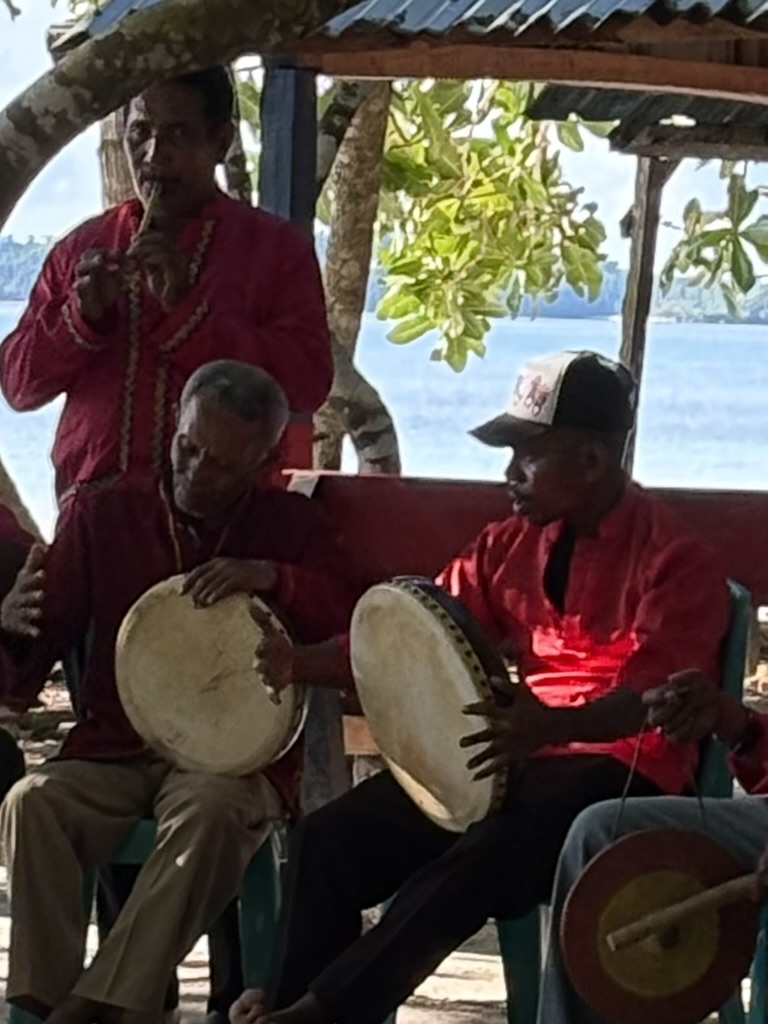
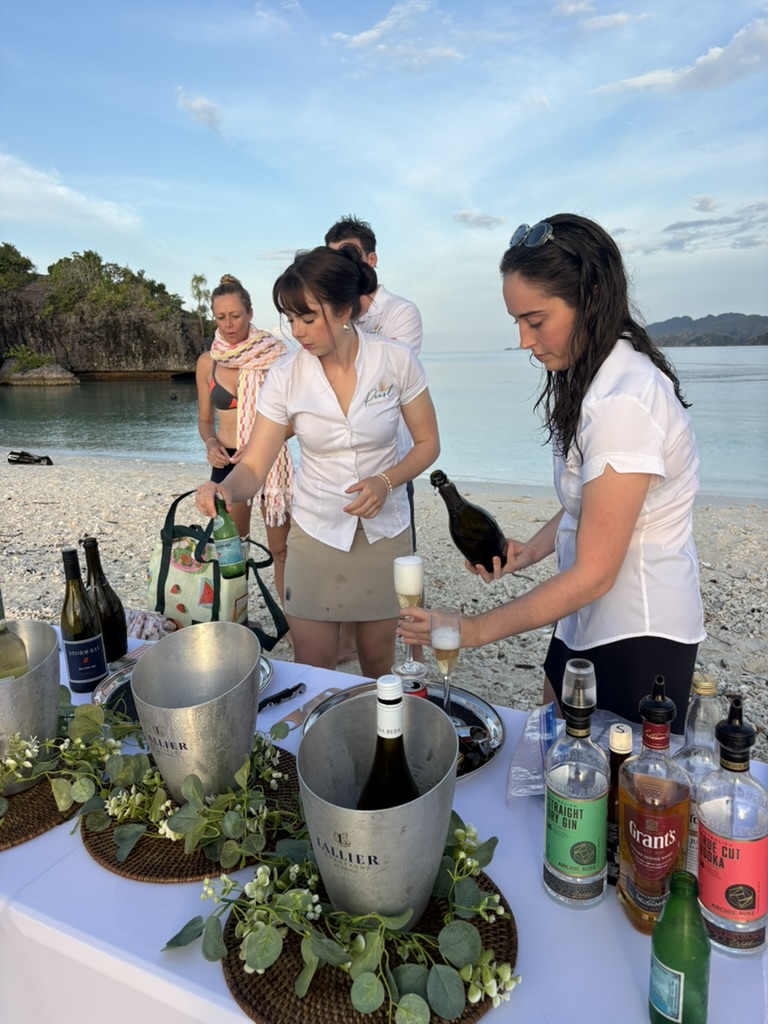
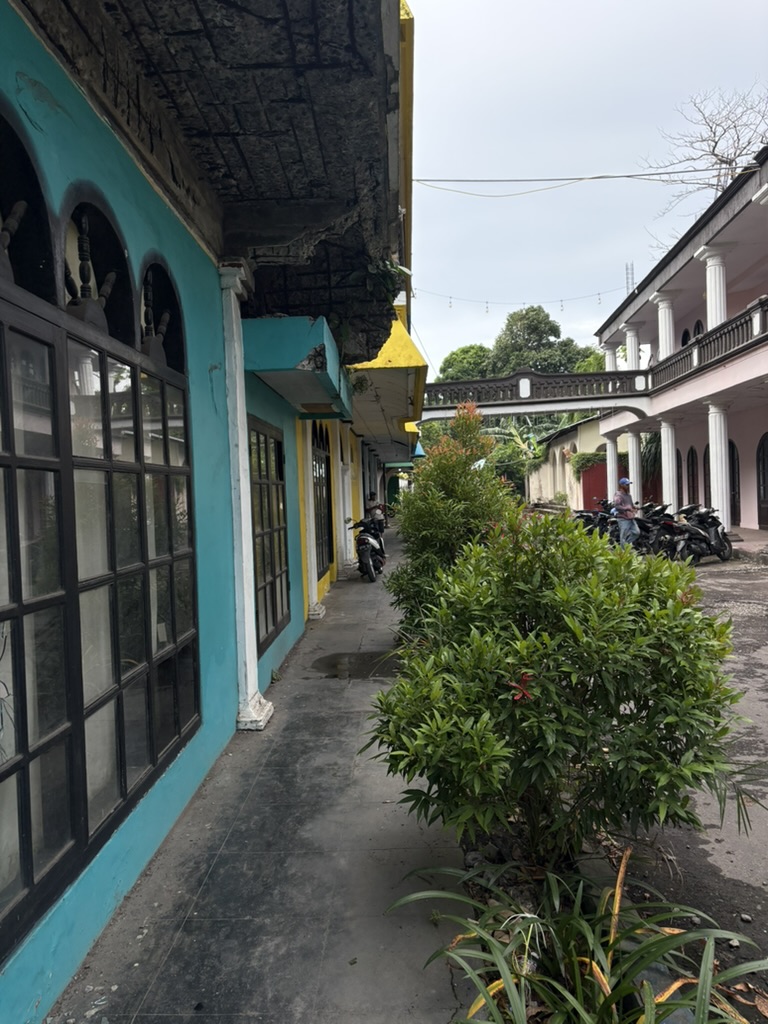
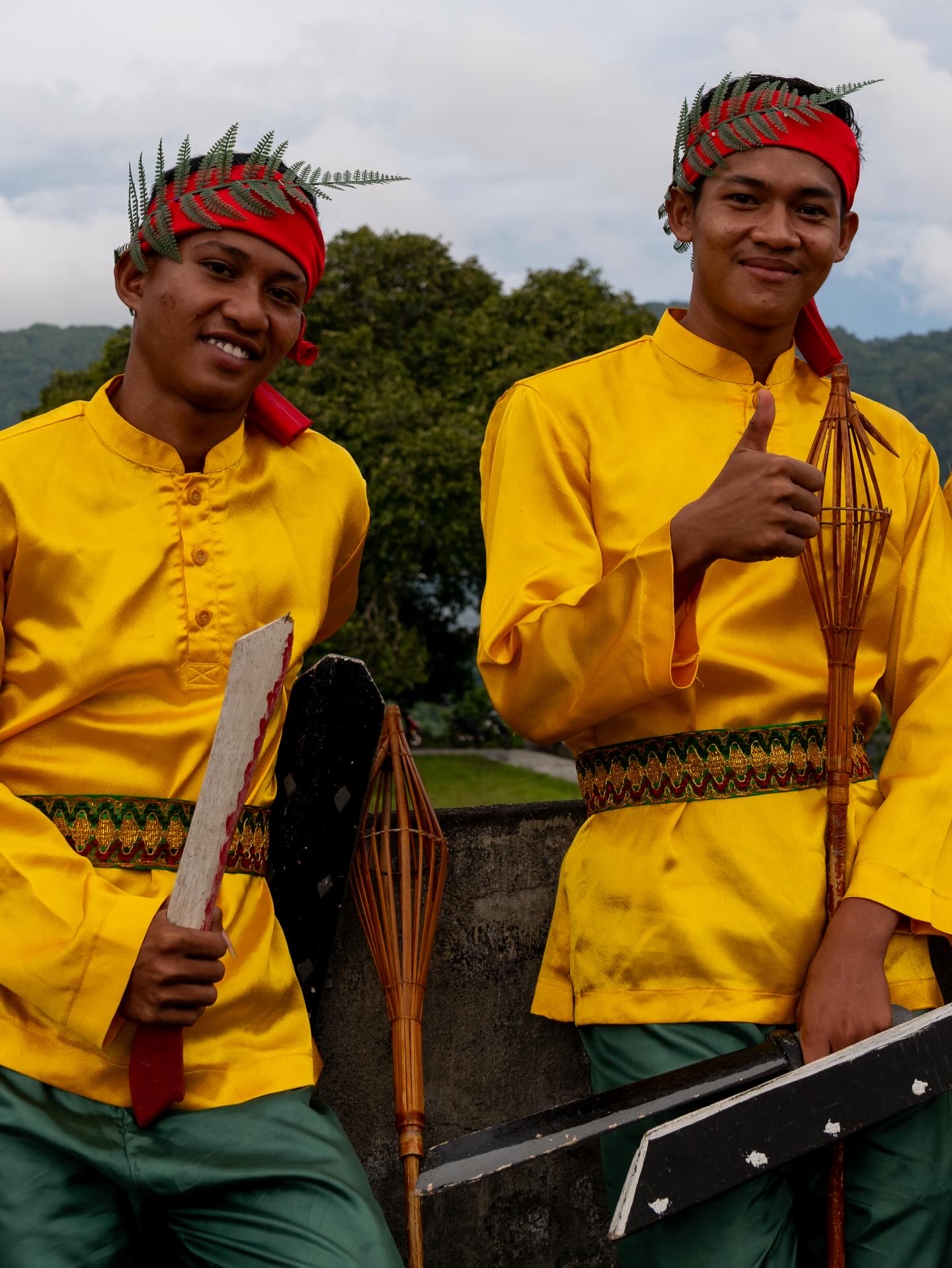
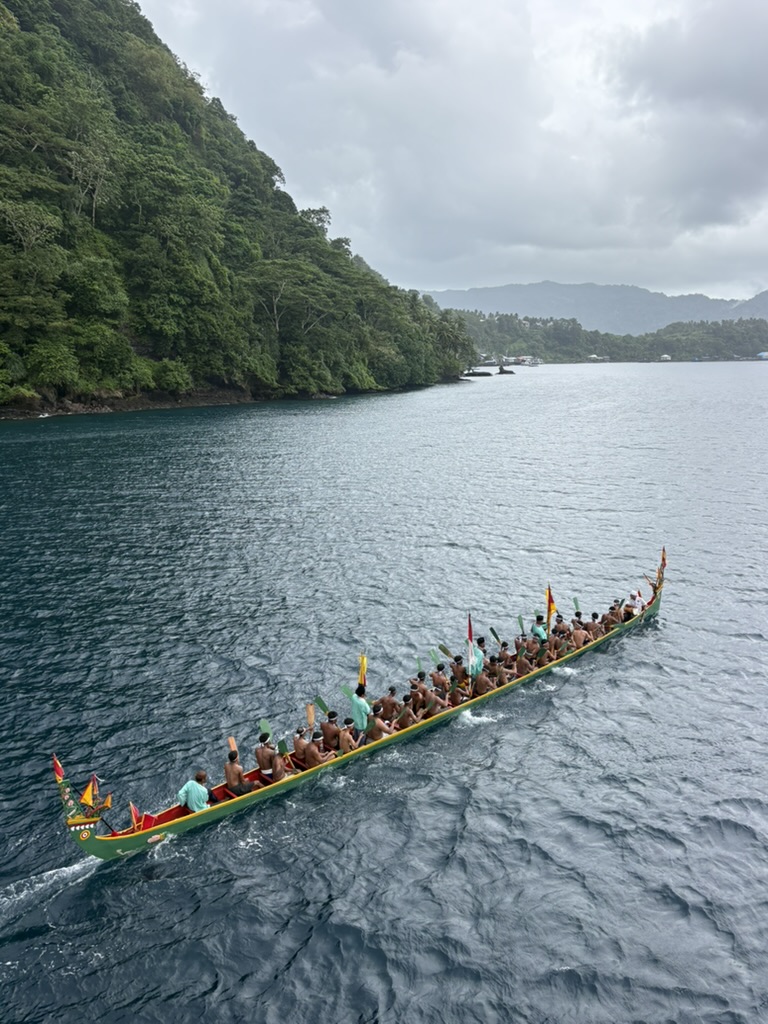
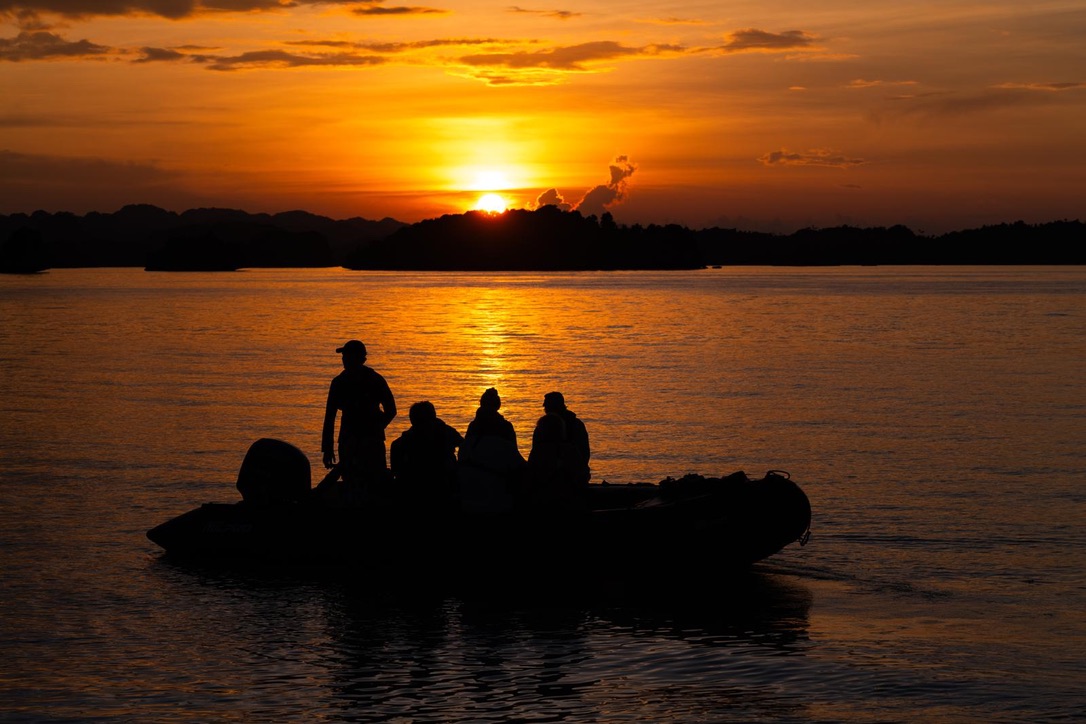
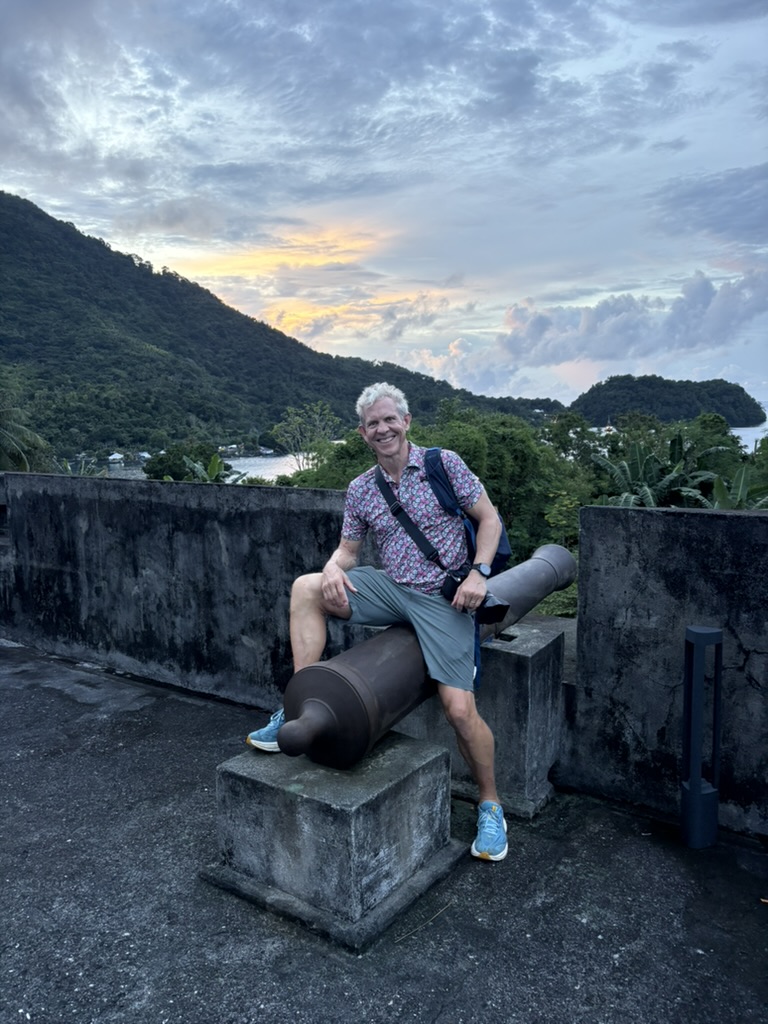
Reminders of colonial times are spread across the island of Banda Neira, but the vibe is considerably more chilled these days. We are welcomed by a traditional kora kora canoe escort and treated to a concert in the old Belgica fort. Sipping a glass of prosecco as the sun sets behind the island’s volcano is a special way to end another incredible day.

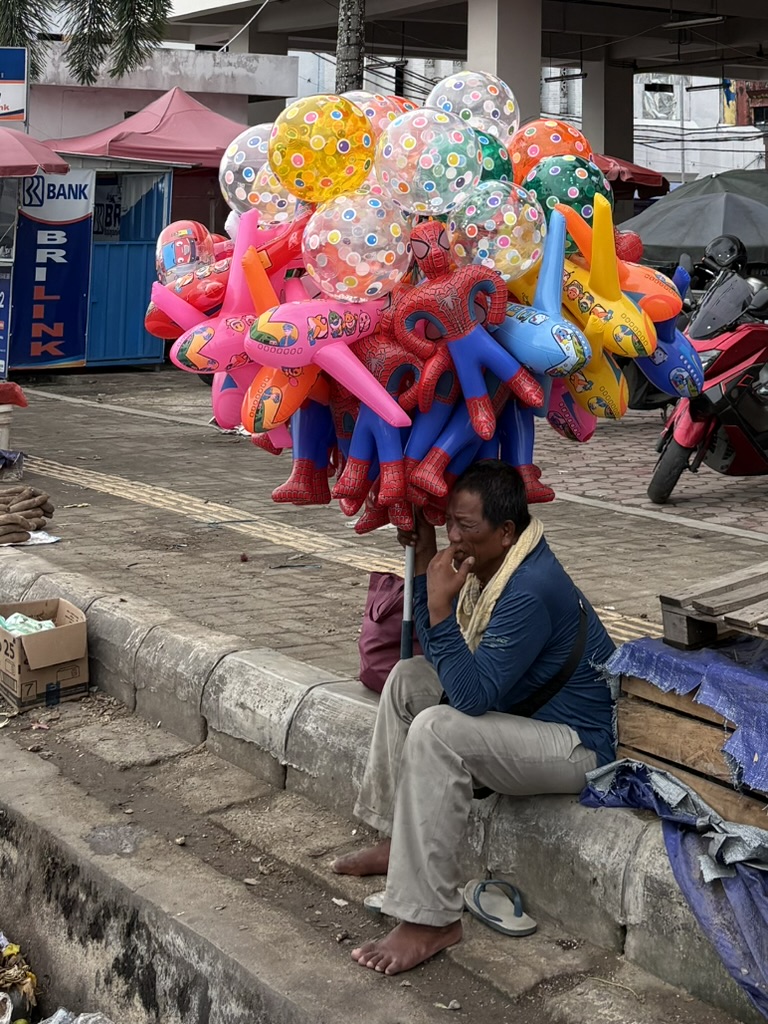
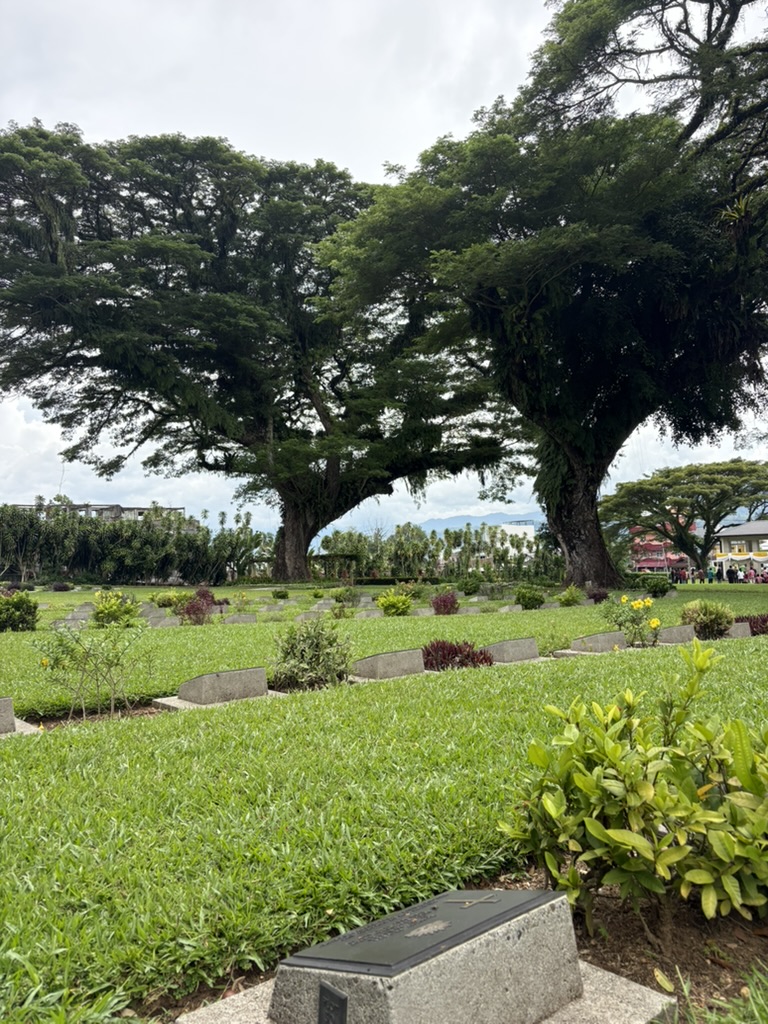
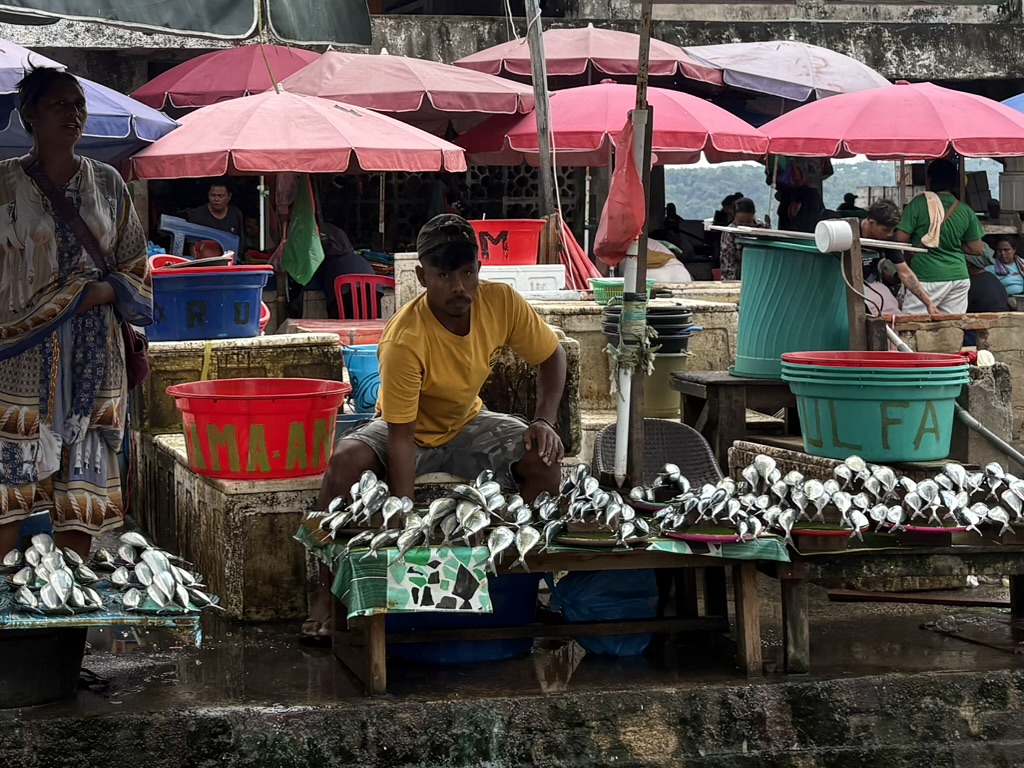
The busy port of Ambon, where we clear Indonesian immigration, is our final stop. It is a shock to the senses, but amid the chaos is the well-tended Commonwealth War Cemetery where the remains of 400 Australian Gull Force soldiers are buried. The soldiers were captured by Japanese forces during WW2 and either starved to death in prison camps or were executed at the end of the war. It is a beautiful resting place, but another tragic chapter in this troubled region.
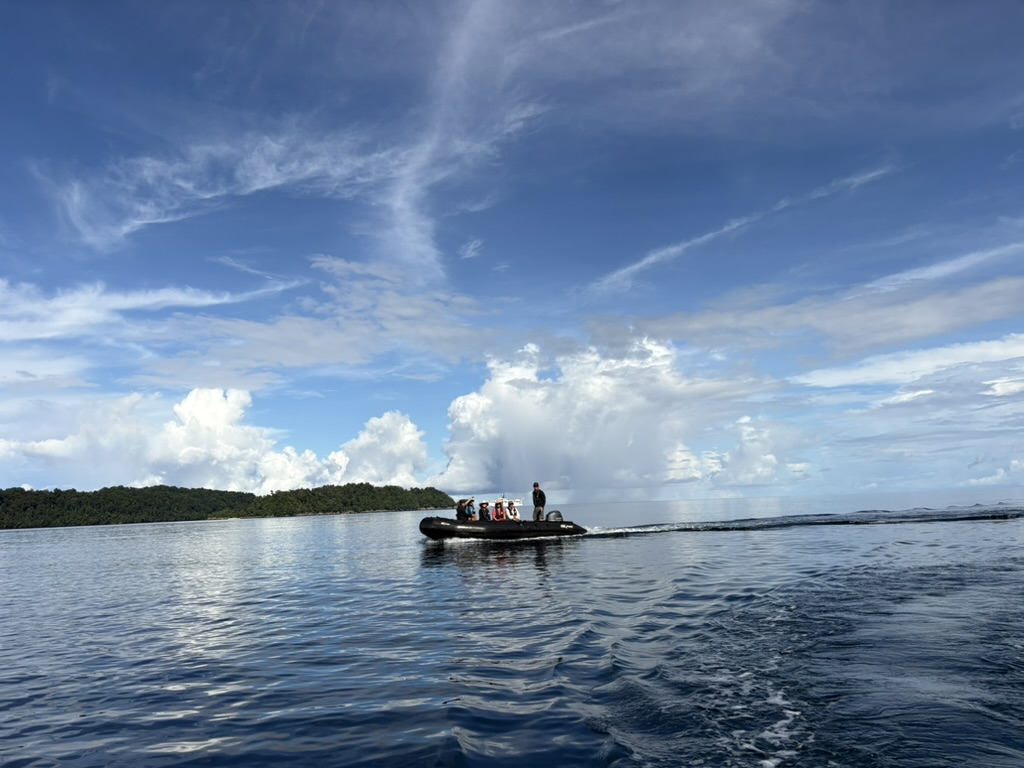
By the time we return to Dili, we have covered 1800 nautical miles. We have packed in so many incredible experiences that our 12 days of cruising feels like 12 months. In some ways I am feeling nourished, but I am also reluctant to leave our lovely ship, the amazing expedition crew, fabulous new friends and the wonders of this unique region. I suppose that helps define the holiday of a lifetime. A sense of wanting more, a feeling of curiosity, an eagerness for another adventure. Just lucky I have something planned. And who can stop at just one Holiday of a Lifetime!
Contact Pearl Expeditions for more info.
Happy travels!
Julie x
Discover more from Julie Fison
Subscribe to get the latest posts sent to your email.

