The definition of fun: NZ

Shotover Jetboat
Shotover Jetboat

Mothers are generally a risk averse lot, and I, having spent far too much time in hospitals and specialist rooms in the past few months, am a particularly risk averse mother right now.

That’s why I am sitting on my own in a lake-front apartment in Queenstown – New Zealand’s adrenalin capital, with Hilary Mantel’s 16th century political thriller, Bring Up the Bodies, a cup of tea and my mobile at my side.

My husband and two sons have rented mountain bikes, helmets, elbow and knee pads and have headed to the top of a nearby mountain for some extreme biking. I have two fears gnawing away at me. I’m scared of missing out on what could be the highlight of the holiday, but even more worried that someone’s going to get hurt and they’ll need me, but I won’t be there!

Queenstown is the gateway to New Zealand’s ski fields. The Remarkables, Coronet Peak and Treble Cone are the dramatic backdrop here and the reason why visitors cram into this town in winter. I love skiing, but I can’t imagine a better time to visit than summer.
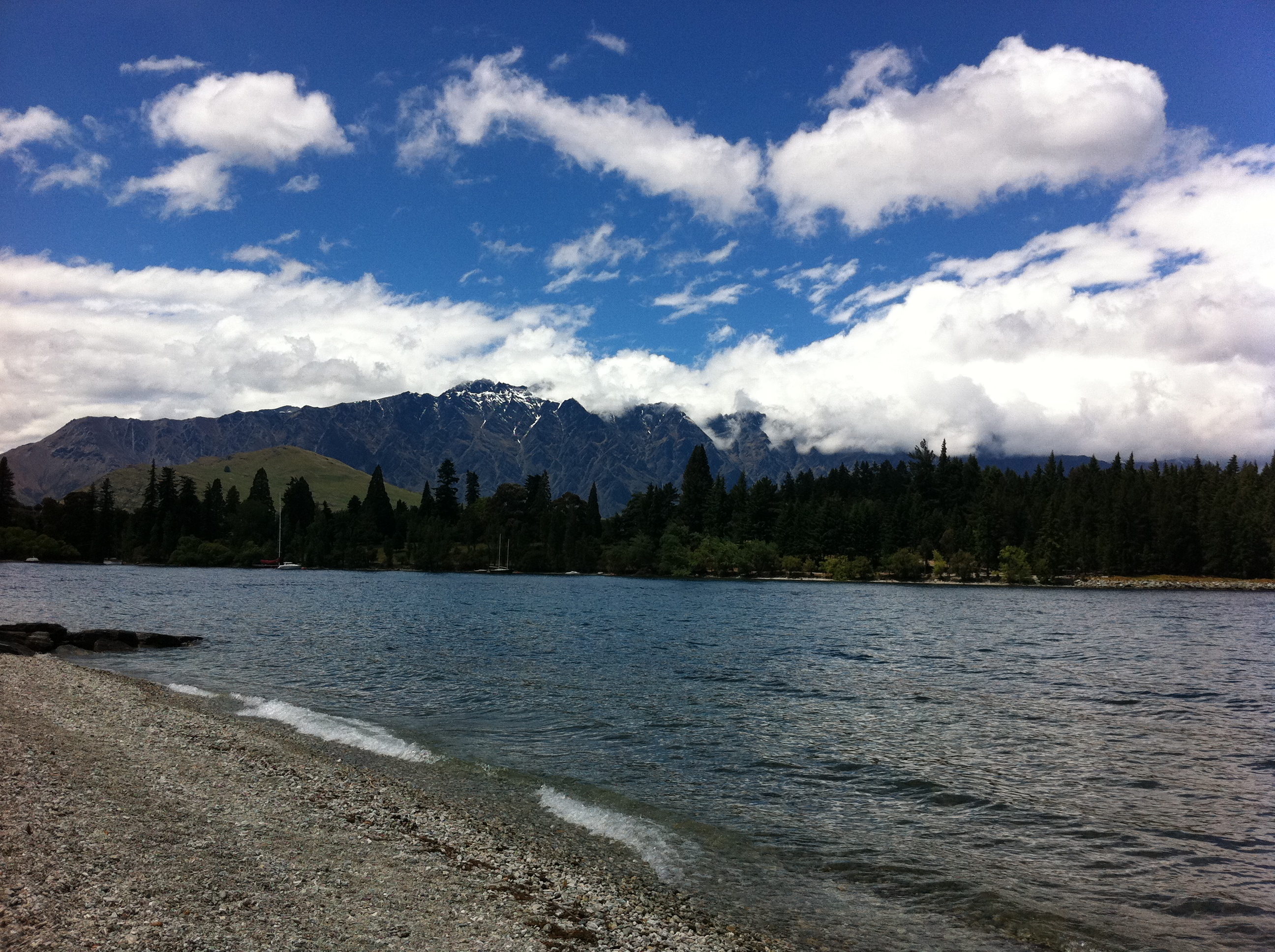
Queenstown
Lake Wakatipu, Queenstown

The clear lake, framed by towering, snow-capped peaks, the pine-covered hills and fields of pink and purple foxgloves are unbelievably beautiful. The roses are the size of side plates and the peonies are even bigger. But this isn’t just nature’s antidote to city living, it’s also a thrill-seekers’ paradise and that is, of course, why we are here on a family holiday.

Queenstown is all about adventure – the birthplace of the bungy – and it takes its reputation seriously. If you can see it, you can ride it – whether it’s the mountains, rivers, or the skies.

We’re here for a week, doing our best to conquer everything. And I’m doing my best to keep up.

Jet boating down the Shotover River – sure, I’m up for that. (Can you slow down a bit? Not so close to the rock wall. There are children on board – mine!)

Riding a luge down a mountain-side course – I’ll give that a go. (Take it easy. You don’t have to go so fast. It’s not a race!)

You get the picture. I’ve got a dilemma. I desperately want to be part of the holiday fun – to share the thrills, but I just don’t like putting myself or anyone else in harm’s way and that makes me a bit of a fun sucker. (Not a popular occupation in this part of the world).

Queenstown Bowls Club
Spectacular summer blooms at the Queenstown Bowls Club

Here, even the most sedate pursuits can be turned into something bordering on dangerous. Our stroll through the botanical gardens is given a risky edge by adding a Frisbee and calling it disc golf. Of course, the game is not so much dangerous for us, but for other park users who drift close to the golf course. And no place in the gardens is safe when I am in charge of a Frisbee. An elderly gentleman playing bowls has a narrow escape when one of my throws goes wildly off course, as does a couple on a tandem bike. Even disc golf is not really for me.

And I don’t need to try extreme mountain biking to know it’s not my thing, either. I know I’ll be cautious and slow. My teenage son, on the other hand, like other teens, is hard-wired to take risks. And where a teenage boy goes, a pre-teen sibling will surely follow. They, along with my husband, will want to tear down the hill at high speed and I’ll be left bumbling along behind, my fingers glued to the brakes, my heart in my mouth wondering who’ll fall off first, shouting at everyone to slow down.

Best I leave the others to experience the thrills of mountain biking, while I take a leisurely stroll around the lake and do a bit of reading. I’ve got my phone close to hand – just in case.

Thankfully no one calls.

Several hours after my family departs, they return to the apartment – exhausted but not broken, with tales of jumps and collisions with trees. And the best news of all – a video of the whole experience. They can’t wait to share their adventure.

But even the video leaves me feeling nauseous – the steep dirt trail, the hairpin bends, the trees. How did they survive? How is that fun?

‘It was so radical, Mum! You would have hated it.’

Yes, I certainly would have. But I had a lovely time reading and a beautiful walk around the lake. Now, that’s what I call fun. One day they’ll understand.

In the meantime I’m learning when to step forward and when to step back. I know risk-taking is an essential part of growing up and kids can’t be kept in cotton wool forever.

The best we can do is send them out well prepared for life’s risks, let them learn from their mistakes and understand their own limitations – because parents can’t be everywhere and even if we could, sometimes, it’s better not to look.

I didn’t see that coming (a garfish that is)

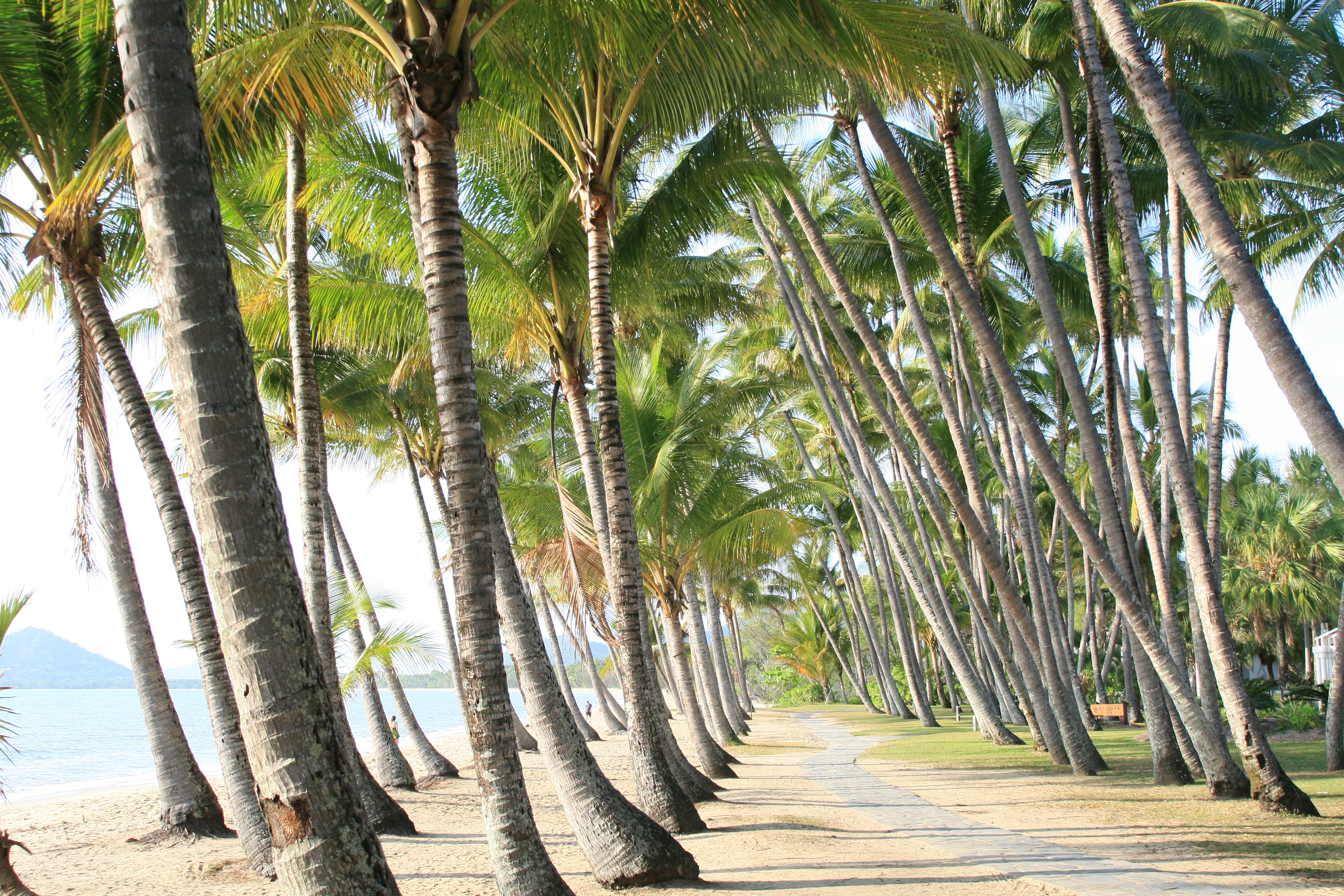
Palm cove
A palm avenue at Palm Cove

A fishy tale about an author, a garfish and a beach in North Queensland

I love holidays. But I find the planning stage extremely time-consuming and stressful. Will the accommodation be as good as it looks on the web?  Have I got the best deal available? Will there be enough to do for the kids when we get there?

Palm Cove sign
A warning sign at Palm Cove

The permutations for a perfect holiday are so complicated, the possibility of a disaster so great. And even when I think I have struck on a winning formula my children get older, their tastes change and it’s back to the drawing board (otherwise known as the internet). Holidays are so precious that I want to make them as close to perfect as possible. But sometimes the elusive X factor can be found in the most unexpected places. snorkelling

Last September, after months of planning, I set off with my husband and two sons, aged 11 and 14, along with three other families for a North Queensland driving adventure. The trip had lost its ideal status even before we left. My older son had been chosen to compete in the Queensland rugby championships in Toowoomba, which meant he and my husband would only be spending three nights in North Queensland. Not great, but not a catastrophe. I could still explore the Far North with my friends and younger son.

However, the holiday didn’t quite work out that way. While I was swimming with a friend at Four Mile Beach, Port Douglas, a garfish, not much bigger than my index finger, shot out of the water and speared me in the ear.  The small intruder left a 2.5 cm spike in my eardrum as a souvenir of its visit, before wriggling free and disappearing into sea North Queensland is famous for its lethal marine life. Crocodiles, sharks, Irukandji jellyfish are the ones you normally have to watch out for in this part of the world.

But garfish?

As it turns out, they are a lot more dangerous than they look. In the Torres Strait bigger garfish periodically spear fishermen, causing all sorts of injuries and in at least one case – death.
Cairns marina
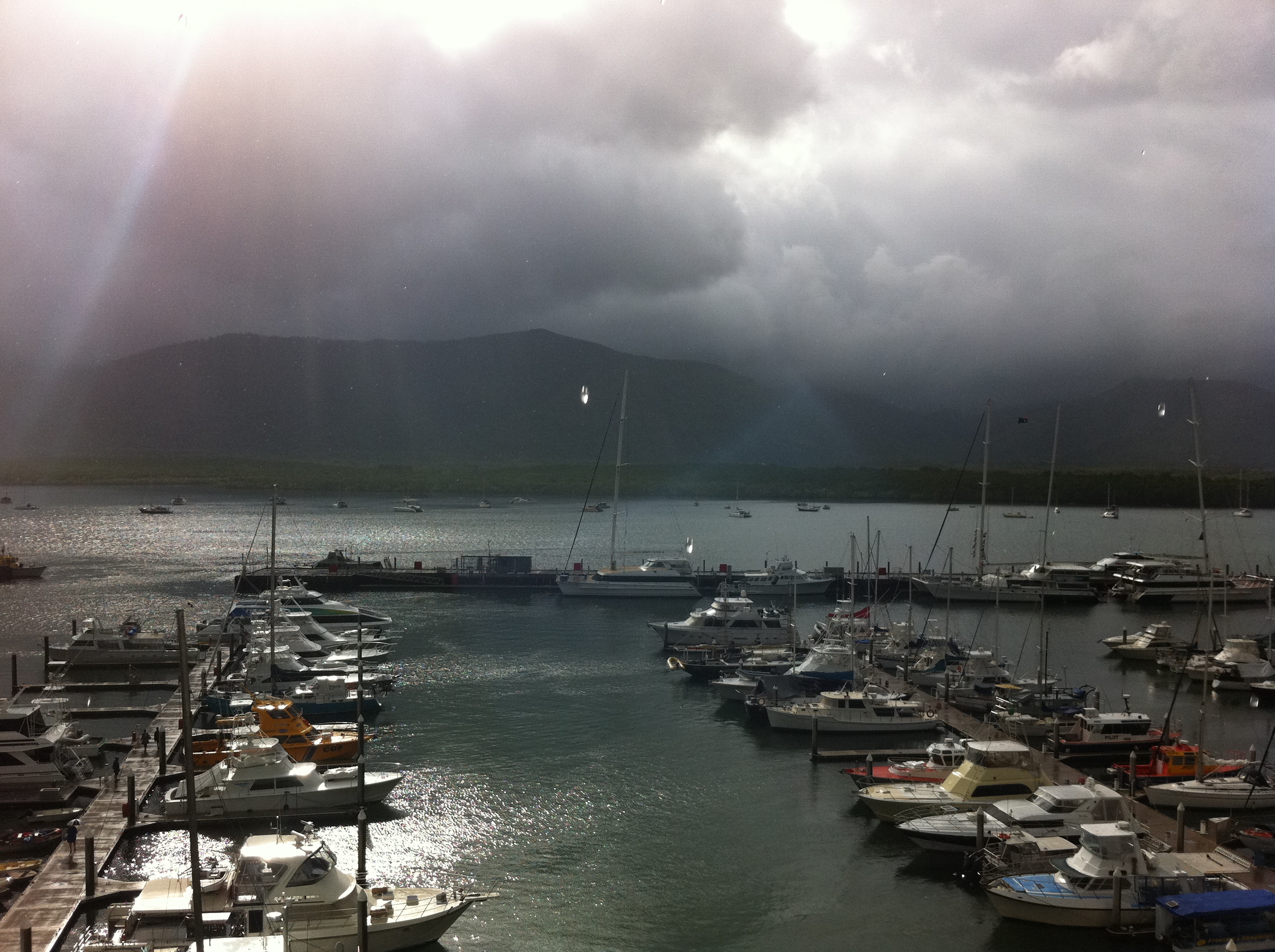
Overlooking Cairns Marina

As far as I can tell, I’m the first to be speared in ear – a very dubious accolade. Because of my freakishly unlikely and extremely painful encounter, I spent three hours in surgery at Cairns Base Hospital having the spike removed, and the next five days convalescing in Cairns and Palm Cove, instead of exploring the Daintree and Cooktown.

Meanwhile, my son, who had gone further north, fell out of a tree at Cape Tribulation and broke his wrist. My wonderful friends took him to Cooktown Hospital to have his arm manipulated and set in a temporary cast.

An eventful holiday to say the least.

To cap things off, I was forced to cancel my flights and take the train home because I had a perforated eardrum. Max and I boarded the Sunlander for the 30-hour journey from Cairns to Brisbane with a couple of magazines, a novel each, and two packets of jubes. I hadn’t even packed any electronic devices Max had his arm in a sling and I was sporting a facial palsy and was almost completely deaf in one ear. (Yes, quite a pair.)

A fitting end to the holiday from hell – right?

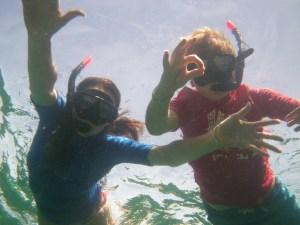
Well, not really. I will certainly concede that Max would have had more fun without a broken wrist and I would have had a better holiday if I hadn’t been speared by a garfish. But at least I had good care in Cairns and had great friends to look after me. I was sorry I missed out on the Daintree, yet I did have a few lovely memories to take home. We’d all had a great day snorkelling on the reef before the garfish incident and I also managed to enjoy some good meals in Palm Cove and Port Douglas with my friends.

Cardwell
View of Cardwell from the Sunlander

And as for the train trip home, I found it quite rewarding. Normally, I would say that a 30-hour train ride with any number of children (even in a sleeper) is tantamount to torture, but because Max was injured, he was content to read and sleep. I found just gazing out of the window as the cane farms drifted by and flicking through magazines quite therapeutic (for the first 10 hours anyway). I also had my medication to keep me busy – antibiotics, anti-inflammatories and anti-viral pills to take at various times of the day, along with ear drops and eye drops.

When we needed a break from sleeper-life, we stumbled up to the dining car for a serving of lasagna and over-cooked vegetables, then staggered back for another nap. It wasn’t quite the Orient Express, but it was scenic, relaxing and the kind of experience that doesn’t come along too often. I wonder how many times I’ll get the chance to hang out with one of my sons for a day and a half without any other distractions – to talk, read and play cards. Probably not too often, is my guess. And if nothing else, that made the holiday very special.

So ten weeks later, my hearing still isn’t great, but my face is almost back to normal. Max has his cast off and it’s holiday time again.

Will it be perfect? Who knows.

Something unexpected always crops up. I know it won’t be a rogue garfish, but there’s bound to be a hitch at some stage. I won’t mind if it’s not perfect, though. I know that just spending time together as a family will make it special and a little bit of adversity can provide unforeseen rewards – that’s what memories are made of.

See also – Welcome to the mothers-of-boys tribe

Surprises in Singapore’s Fort Canning Park

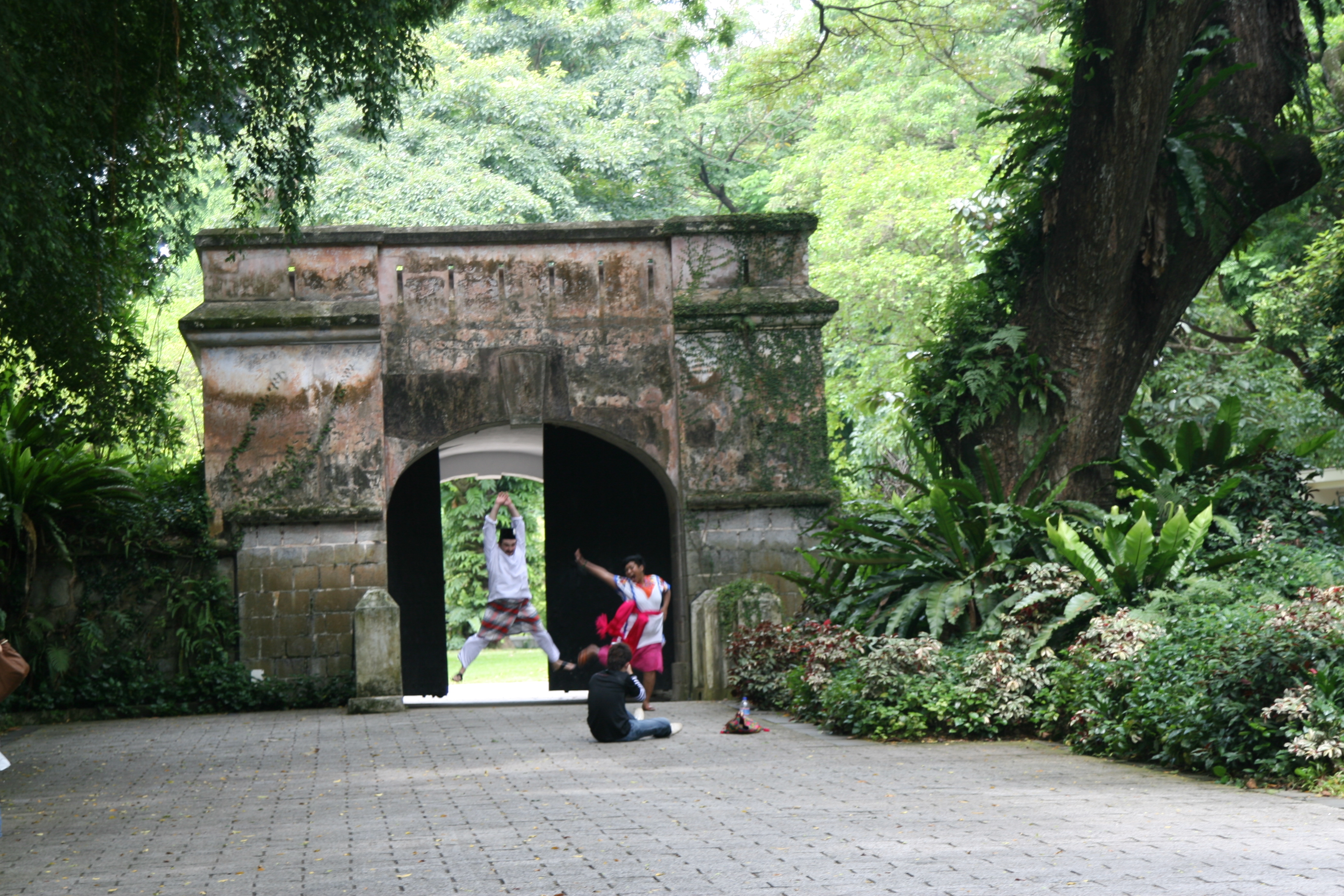
It is early on a Sunday morning that I find myself in the historic heart of Singapore, a hilltop that has, at various times over the past seven centuries, been home to Malay Kings, British colonial governors, and several armies. Fort Canning Park is just coming to life, with Tai Chi enthusiasts gracefully going through their morning ritual and a fencing class occupying another prime piece of parkland, but it is the sound coming from one of the Park’s most important landmarks that has me intrigued. Inside the Fort Gate someone is singing opera.

Fort Canning
A performance at Fort Canning Park

When I go to investigate, I find an elderly Chinese man passionately throwing himself into La Traviata, like Violetta herself is dying of consumption on a bench beside him. Alfonso isn’t busking or seeking an audience, he’s just singing for himself. And the stone monument, it seems, is providing just the right acoustics for his rendition of Verdi.

The Fort Gate was once part of Singapore’s fortifications, built in the 1860s by the British, to protect the colony from attack and to offer European residents a refuge in case the local population revolted. For the next hundred years Fort Canning was used by the military. In 1936 the British built an underground command centre for operations in the Far East. The Battle Box, as it became known, was the nerve centre for the defence of Singapore in the Second World War. And it was in this bunker that Lieutenant General Percival made the decision to surrender to the Japanese. The site was then taken over by the Japanese military. It returned to the British Malay Command after the war and was later occupied by Singapore’s armed forces. Now, the 28-room Battle Box is a museum, that recreates the fall of Singapore on the morning of February 15th 1942.  The bunker is part of a sprawling green history lesson – right slap, bang in the middle of the city.

The historic precinct is the site for music festivals, open-air theatre, weddings and parties. And that’s why I’m in the park. I am helping to clean up after a wedding party for my brother and new sister-in-law, the previous night – wearing a rubber glove on one hand and carrying a plastic bag in the other. I take a break from my chores to get a better look at the opera singer. But as soon as I slip through the archway of Fort Gate, I disturb Alfonso. He stops mid song, assesses my rubber glove and bag and launches into a lengthy oratory on the most efficient tools for rubbish collection. In his view I would be significantly better off if I invested in some long handled tongs. I am tempted to explain that I am not about to enter the business professionally, and that I’m just helping out for the morning, but by then he has returned to La Traviata. Singaporeans certainly use their parks in some surprising ways.
The country has long taken its green space seriously. The founding Prime Minister, Lee Kuan Yew, envisaged Singapore as a Garden City.  Now the government is set on a more ambitious course, transforming the island state into a City in a Garden. The country boasts 300 parks. The most impressive of all has just opened – a 101 hectare green space that features enormous flower domes and a towering artificial woodland. If anything is going to tempt tourists out of Singapore’s five star hotels and air-conditioned shopping malls it will be this ultra-modern Garden by the Bay.

But for visitors with an interest in the past, Fort Canning Park is a peaceful  diversion from the crowds on Orchard Road and a timeline of Singapore’s history.  Archeologists have uncovered thousands of artifacts from the 14th century Malay royal palace that once occupied the site. A gold armlet was among the treasures and is now in the National Museum of Singapore, which backs onto Fort Canning Park. The main excavation site has also been preserved for visitors.

When the Malay rulers abandoned the hilltop at Fort Canning, the palace was reclaimed by the jungle, and it wasn’t until British statesman, Sir Stamford Raffles arrived in 1819, that the forbidden hill, as the Malays called it, was settled once again. Raffles, impressed by the view from the hilltop, built his bungalow here and established Singapore’s first botanical garden. Fort Canning’s Spice Garden is a tribute to Raffles’ original garden, which featured nutmeg and cloves – the staples of the spice trade.

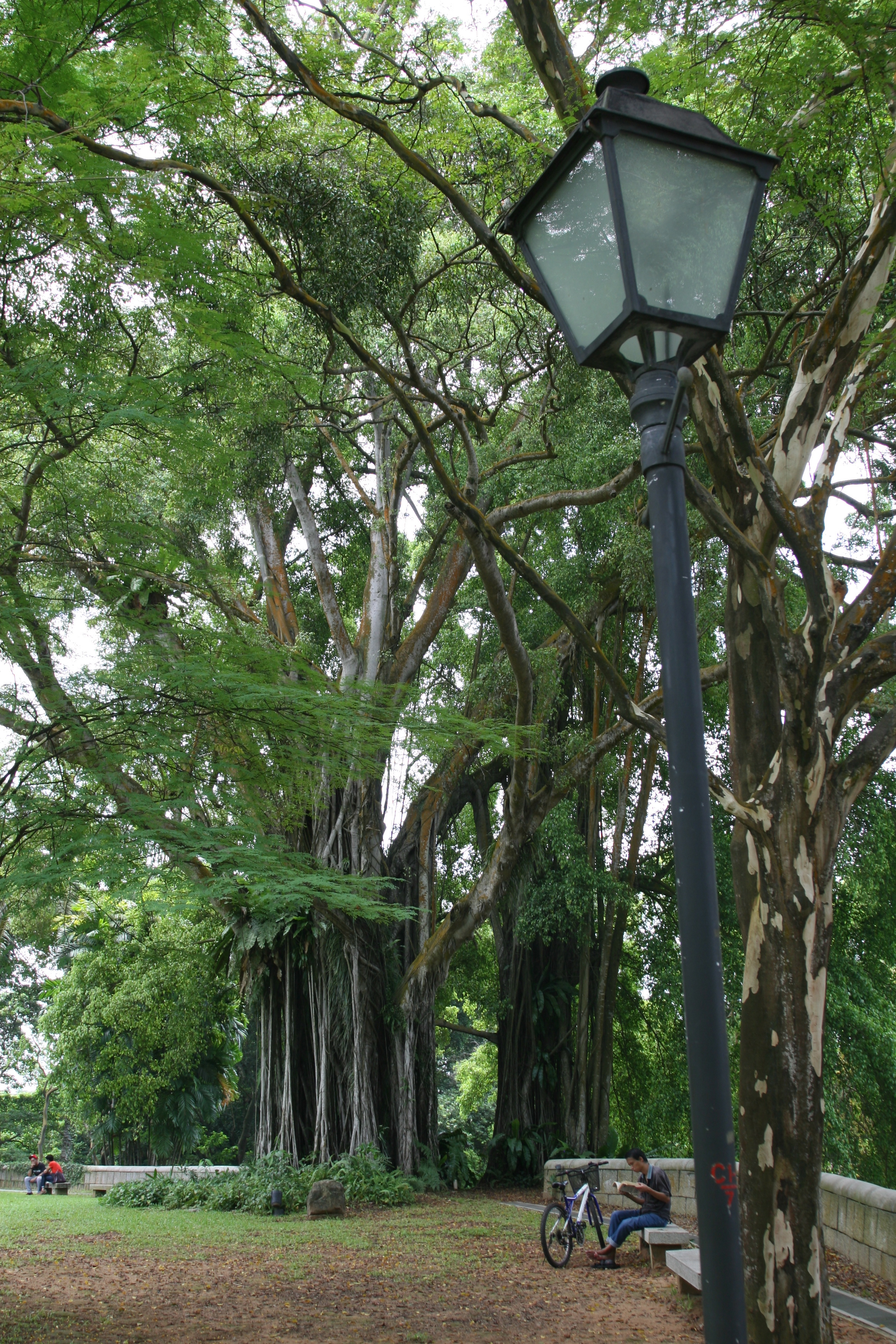
The gardens, the towering rain trees, epiphytes and colonial monuments of Fort Canning Park will never compete with the likes of the Garden by the Bay, but in a city that is always looking to the future, Fort Canning is a beautifully preserved reminder of the past.

The best of Buenos Aires

Sometimes you have to escape the kids (just briefly) to become a better parent – to break away from the routine, the bad habits, to reflect on what’s important and reacquaint yourself with your spouse. And if you go by the theory that the benefits increase the further afield you go, and your parenting improves with a dose of retail therapy, an elegant hotel and a glass of Malbec, then you’ll probably find just what you’re looking for in Buenos Aires, Argentina. Add to this polo, tango, charming neighbourhoods, museums and unbelievably good steaks and you’ve probably got the ultimate city break. So, if the moon turns blue and it’s your turn to spoil yourself, here are a few ideas for your visit.

Buenos Aires
A stunning spring day in Buenos Aires

Stay: Alvear Palace Hotel  is ranked the number one city hotel in Central and South America. It combines Parisian-style grandeur with excellent service and great restaurants. It might sound like a strange thing to do in Argentina, but if you have a sweet tooth, the high tea is a real treat. The staff will even deliver your choice from the cake trolley to your room, to eat later. (You never know when you’re going to get peckish). The hotel is situated in the swanky Recoleta neighbourhood, within walking distance of museums, markets and the city’s most famous cemetery. It’s also a celebrity favourite – J Lo was staying while we were there.

Howard Johnson  is a much more reasonably priced boutique hotel in the Recoleta district. Don’t let the name put you off, the hotel, located on a quiet neighbourhood street with plenty of shops and cafes nearby, has been recently renovated in a minimalist style. Breakfast is included with a continental buffet style – the service makes up for the small assortment of fruit and pastries.  Carlos, the lone waiter, was only happy to rummage up some scrambled eggs when requested.

St Telmo
Colourful characters at the San Telmo markets

See: Recoleta Cemetery is where everyone who is anyone in Argentina is buried – Eva Peron, being the most famous.  The cemetery is massive, with grand crypts, towering statues and a puzzling number of well-fed cats. It’s a beautiful place to stroll in the late afternoon, when the sun shines through the pines into the central square. But an early morning visit can be an entirely different experience. While looking for Eva Peron’s crypt, I found myself alone and lost on one of the back blocks. Some of the crypts had fallen into disrepair – glass was broken, the ironwork was rusty and the spiders had moved in. It was really quite spooky.

Recoleta Cemetery
The tomb of Eva Peron at Recoleta Cemetery

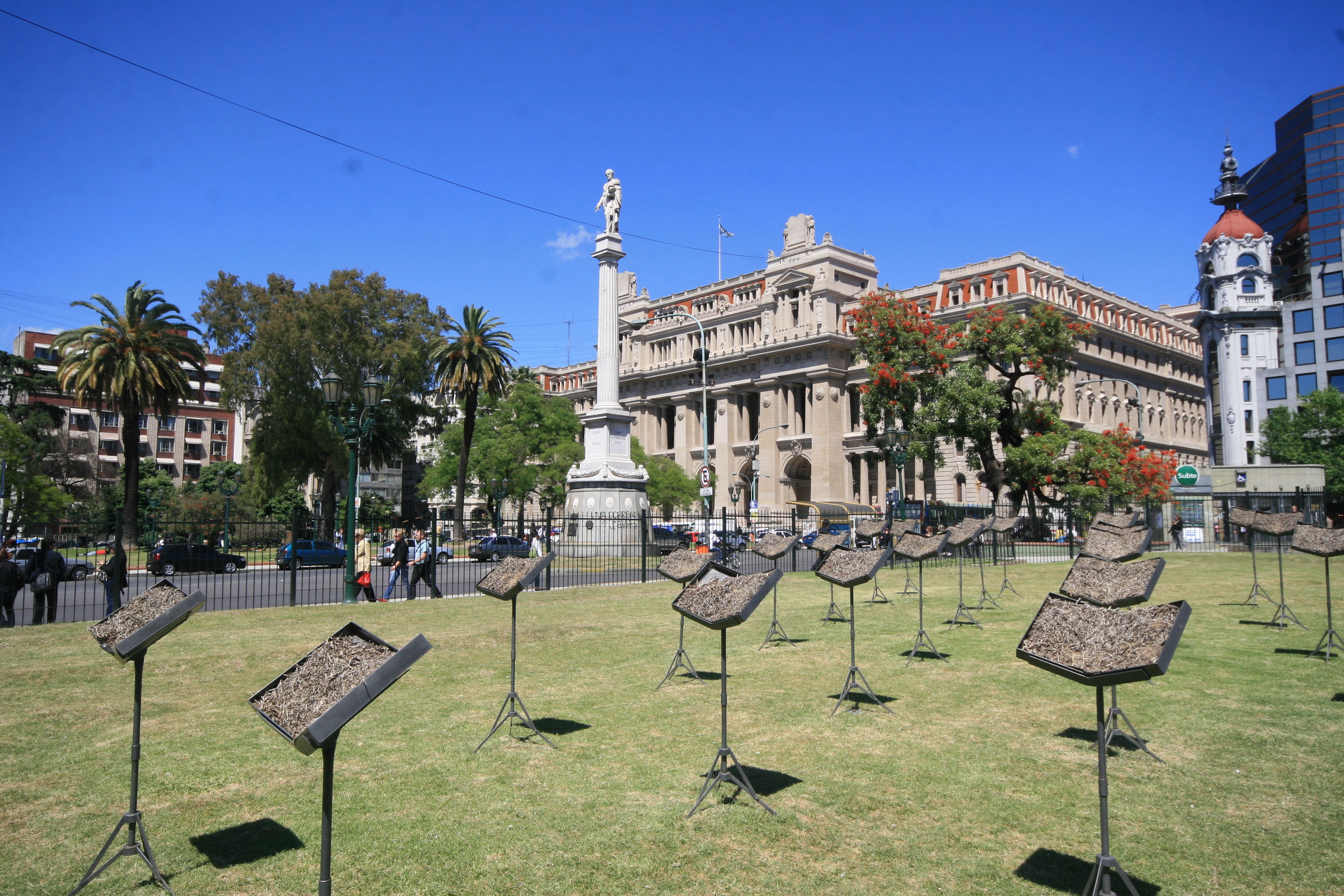
Plaza de Mayo is the old heart of Buenos Aires and is bordered by some of the city’s grandest and most historically significant buildings. It’s also the home of celebrations and protests in the city.  Evita gathered the workers here. During the brutal military dictatorship of the seventies and early eighties, the mothers of the disappeared gathered here. Now, the square is occupied by protesters demanding those responsible for the death of dissidents be put on trial.  

Teatro Colon is the home of culture in Argentina. The Renaissance-style theatre is best known as an opera house, but also stages ballet and concerts. The acoustics here are world class, but beware, you might find yourself distracted by the beautiful tiered balconies and the stunning frescoed dome.

Argentinians are passionate about polo.

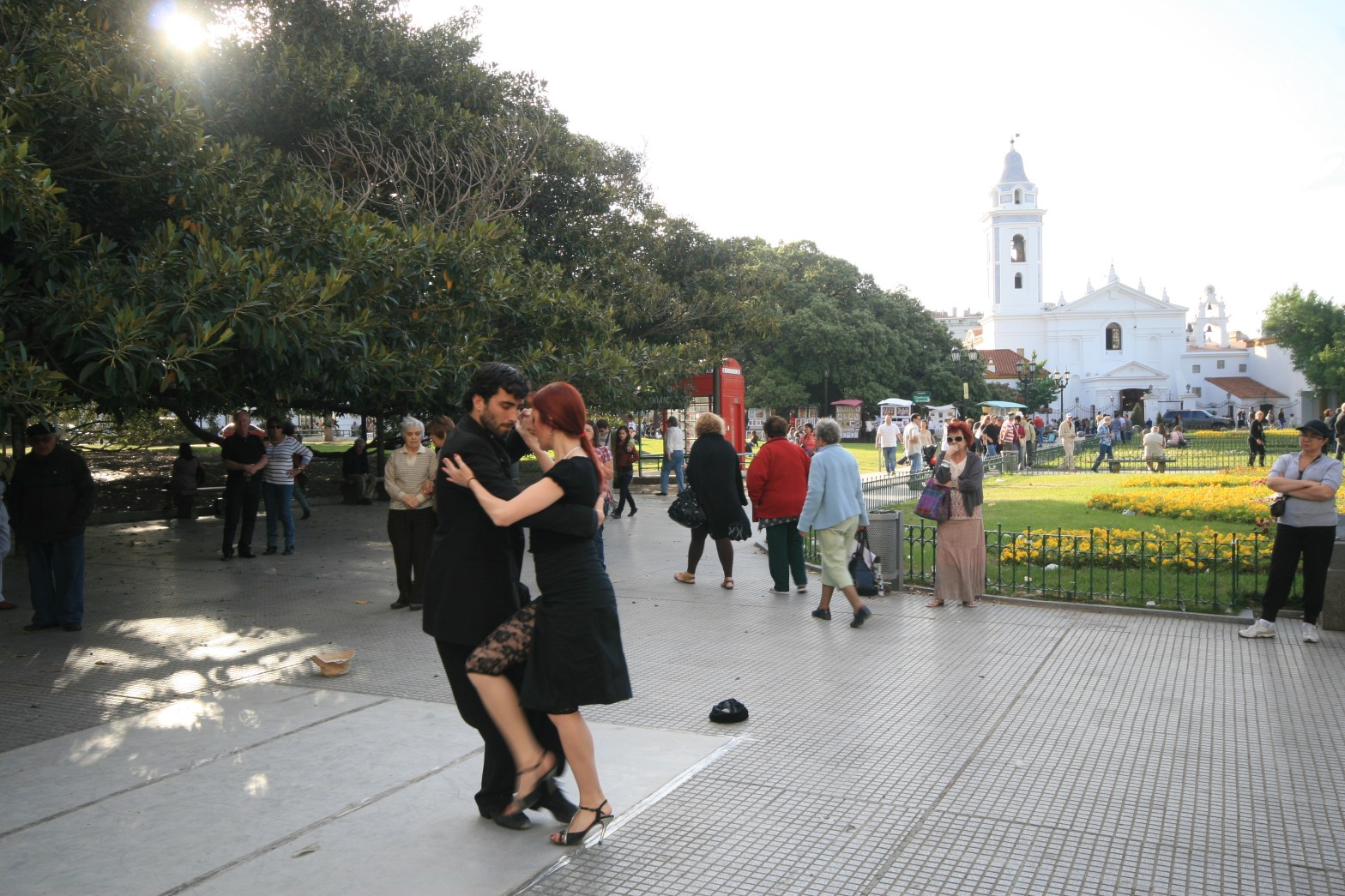
Almacen stages an intimate tango show, combining tango, singing and indigenous musicians. It’s not just for the tourists. The night we visited, we sat next to a local couple celebrating their anniversary. The show featured an elderly chanteuse who had to be helped onto the stage. She sang her lungs out and drew a standing ovation and quite a few tears. You can also see street performers dancing the tango, on weekends, near the Recoleta Cemetery.

Polo season runs from September to November, culminating in the Argentinian Open at Campo Argentino de Polo in Palermo. The lead up carnival at the Hurlingham Club, offers a great taste of this beautiful sport, without the crowds. The Club itself is a little slice of England on the outskirts of Buenos Aires and the horses are just as magnificent as the grounds. Sit in the very modestly priced public stands. No need to dress up. Just enjoy the scenery and a barbequed chorizo between chukkas. Note: make sure your taxi driver knows where he’s going (the club is not easy to find) and fix a price.

Soccer is more of a way of life than a game here. And a clash between River Plate and Boca Juniors is the ultimate sporting spectacle – as much for the passion in the stands as on the pitch. But a word of warning: don’t cheer for Boca if you’re surrounded by River fans, or vice versa. People have been killed for less.

Palermo Viejo is the funkiest neighbourhood in BA. Visit for unique accessories (very cute wedges) or just to soak up the atmosphere over a coffee or drink. Also try the spectacular Abasto Mall for shopping.

Cabana Las Lilas  is one of BA’s most famous parrilla (barbeque) venues. The Puerto Madero restaurant is huge, with steaks to match. The beef is sourced from the restaurant’s own estancia and is staggeringly good. The cover charge includes bread and tapas, too tasty to ignore, so you will probably find one steak is more than enough for two people.

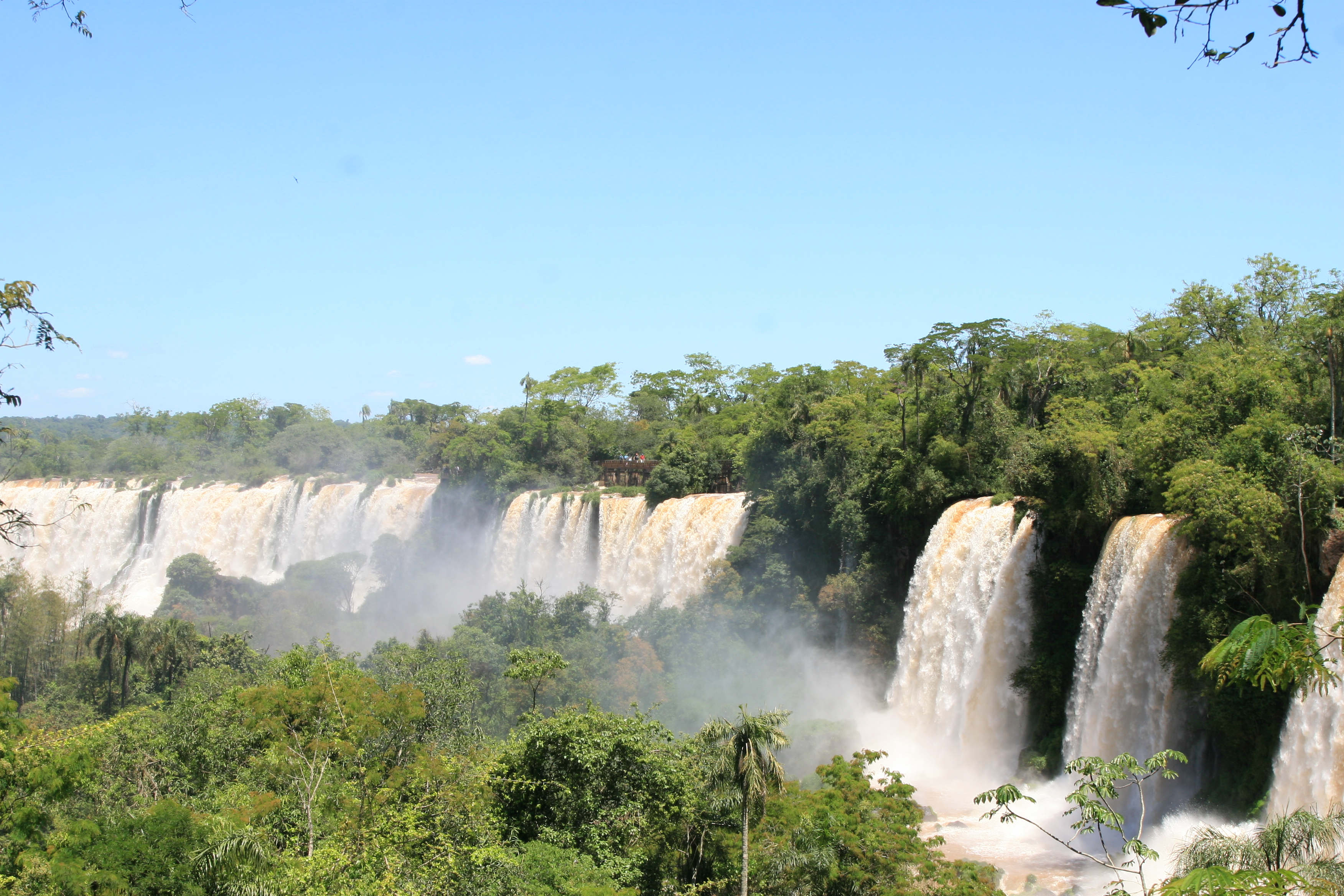
While in Argentina, you MUST visit the Iguazu Falls, on the border with Brazil. You think you’ve seen a waterfall – you ain’t seen nothing until you’ve seen this! You’ll need at least one full day to explore the falls on the Argentinian side (more time and a visa if you want to see it from Brazil as well). We stayed at the Loi Suites, a beautiful hotel, about 20 minutes from the National Park.

Note: The traffic is terrible in BA and if you can walk, do so. It’s so much more pleasant.

Learn some Spanish before you go. You can get by with English, but you’ll get a lot more out of your experience if you speak some Spanish. The San Telmo weekend markets get painfully busy in the tourist season.

If you’re into running, Recoleta and Palermo are lovely spots to pound the pavement.

Dog walker in Buenos Aires

Watch out for dog walkers who take up to a dozen dogs out in the mornings (also watch out for dog poo). The jacarandas are in full bloom in November – a beautiful sight. Happy travelling!

Anthology from Ford Street

I am very excited to be included in a new anthology put together by Ford Street editor, Paul Collins. Trust Me Too hits bookshops next month. It’s jam packed with great Aussie authors and illustrators. I have departed from adventure for this one and have contributed a high school romance, The Bridge. Find out all about it here.

Happy reading!

A year on

It’s a year since the first stories in the Hazard River adventure series hit bookshops. Phew, I have learned a thing or two in that time …

Securing a publishing contract for your first book is a little like giving birth to your first child – you spend so much time preparing for the actual event, you’re scarcely ready for what’s ahead. Well, that’s how it was for me anyway. I spent my whole career writing – as a television news reporter, features writer and writing marketing material, yet before I began the Hazard River children’s adventure series I had no experience whatsoever of the publishing industry. And so when I secured my first contract with Ford Street Publishing, for a four-book deal, I naïvely believed the hard work was over.

Tina Marie Clark, Julie Fison
Celebrating the launch of the Hazard River series with Tina Marie Clark

My manuscripts had been accepted. Hooray! Now, I just had to open the champagne, stand back and wait for the royalties to start pouring in. Right? Alas, that’s not quite how it works.

If there is one thing I have learned in the year since the first stories in the Hazard River series came out, it’s just how hard authors have to work after their books are released, to make sure they are successful. If I may use yet another analogy, being a new author is the same as being a new business owner – you have an exciting new product that you and your publisher have to get out to the world and that is all about marketing. And while publishers will do all they can to market new books, authors need to work at it as well.

tiger terror front coverSince launching the Hazard River series, I have set up a website (possible even for a techie novice), produced several book trailers (thank goodness for my new Mac) and started a blog for young writers WRITE NOW. I’ve also done countless interviews and written many stories for children’s book sites. I’m not complaining. Luckily for me I’ve had plenty of experience in marketing and I enjoy it. In fact, I loved filming and editing the book trailer and so did my two sons, who starred in it.

The other element of writing children’s fiction that surprised me is the public speaking part. Children’s authors spend a lot of time talking to the people they write for – school kids. Visiting schools, libraries and children’s festivals are all an integral part of being a writer. I started out by giving talks about the Hazard River series at my younger son’s school. My son had been promoting my books for two years in the lead up to them being published – reading my manuscript during free reading time and quoting from it for his book reviews. So when I finally turned up with the published books, the whole school was behind me!

Blood Money coverSince then, I’ve had a lot of fun talking about the inspiration behind the Hazard River series and running workshops for young writers. There are some amazingly talented kids out there. I am also thankful that my series is aimed at eight to twelve year olds – they’re a great audience and always have so many questions (which always include: how much do you earn?).

I was also lucky enough to be invited to speak at the wonderful CYA Conference in Brisbane last month. I went along a few years ago as a (slightly clueless) aspiring author, and it was exciting to return as a fully-fledged published author, to share my journey and a few ideas on writing adventure stories. It was a novelty to be addressing adults on the subject of writing, but it was a great event and I was glad to be involved. Apart from lining up some very experienced authors, the Conference provides writers with the chance to meet industry professionals. Nothing beats face-to-face contact when you’re chasing that illusive publishing contract. Authors – Tina Marie Clark and Ally Howard do an amazing job pulling the event together. This is what this year’s line up looked like: Marc McBride, Brian Falkner, Sarah Davis, Tristan Bancks, Mark Wilson, Aleesah Darlison, Jess ‘Jaybird’ Briscoe, Julie Fison, Sue Whiting, Jack Heath, Karen Robertson, Michael Bauer, Clare McFadden, Anne Spudvilas and Amanda Ashby.

Of course, it’s easy with all of the marketing and speaking engagements to lose sight of the fact that writing is still the chore business of the writer. The skill is saving some energy and space in your life to work on the next story. When I write, I have to immerse myself completely; I can’t just dip in and out. And when I do, I remember why I started in the first place. Because, although I like marketing, making video promos and speaking to school kids and adults about writing, it’s hard to beat creating a fictitious world, filling it with characters, throwing a problem at them and seeing how they get out of the mess that you’ve made for them.

If you would like me to visit your school or festival, contact Speakers’ Ink. www.speakers-ink.com.au
For more information on the CYA Conference visit www.cyaconference.com

Driving to Carnarvon Gorge

It seems almost wrong to have a holiday in Queensland without a beach nearby. But  head out to the towering sandstone cliffs of Carnarvon Gorge, 720 km north west of Brisbane, and you’ll see another side of the state – a little piece of Jurassic Park, an oasis of remnant rainforest and crystal clear creeks, platypuses and echidnas and some of the country’s most impressive Aboriginal rock art. This is a 2000 km round trip, so pack plenty of in-car entertainment. We went with two other families which meant piles of kids, endless games of capture the flag, marshmallows around the communal campfire, slime fights and loads of fun.

DAY 1 Brisbane to Roma

Roma is the best place to break the journey to Carnarvon Gorge. It’s the last substantial town for stocking up on fuel and supplies. There’s also an airport, which is handy for travelling companions who get caught up in Sydney and miss their ride from Brisbane. If you’ve got boys in the car you’ll also want to visit Beetson Oval, one time home ground to league legend Darren Lockyer and have a sticky beak at Lovell Street where he grew up.

Stay: The Explorers Inn is the pick of the accommodation here.

DAY 2 Roma to Carnarvon Gorge

Day 2 Roma to Carnarvon Gorge: We start the day with breakfast at Bakearoma (63 McDowell St), and then drive another three hours to the Carnarvon National Park. The last section is unsealed but is generally passable in a 2WD in dry weather.

Stay: There are three options for accommodation. Camping in the National Park, a Wilderness Lodge and Takarakka Bush Resort, which offers, camping, cabins and permanent Taka tents.

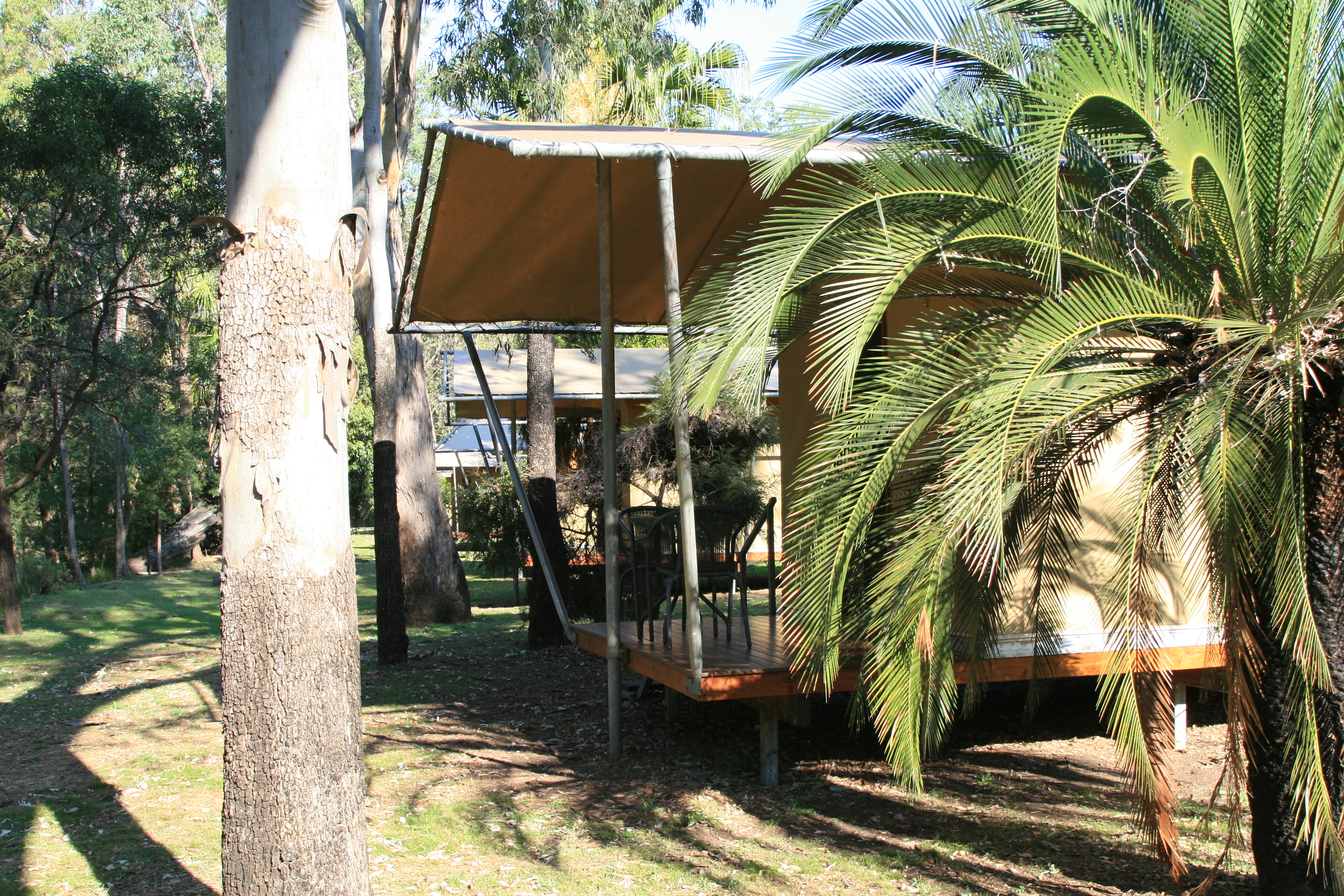
Safari-style tent at Takarakka Bush Resort

DAY 3 AND 4

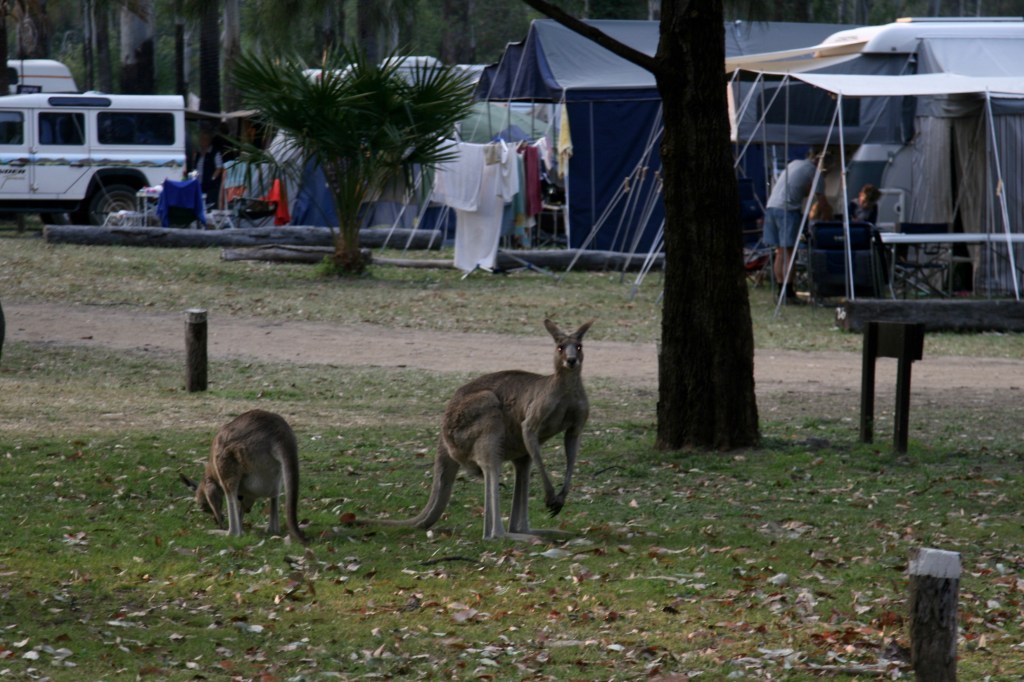
We stay in a family size tent at Takarakka, which has beds and a small fridge. The Taka tents offer a lot more privacy than the camping area. It’s not ‘glamping’ (bathrooms and the camp kitchen are communal). But there is plenty of space for the kids to roam and the chance to spot wildlife. We find two echidnas foraging at dusk near the entrance to the resort, completely indifferent to our presence. The resort also offers a spit roast every couple of nights and the lovely big fire pit is the centre of activity in the evening.

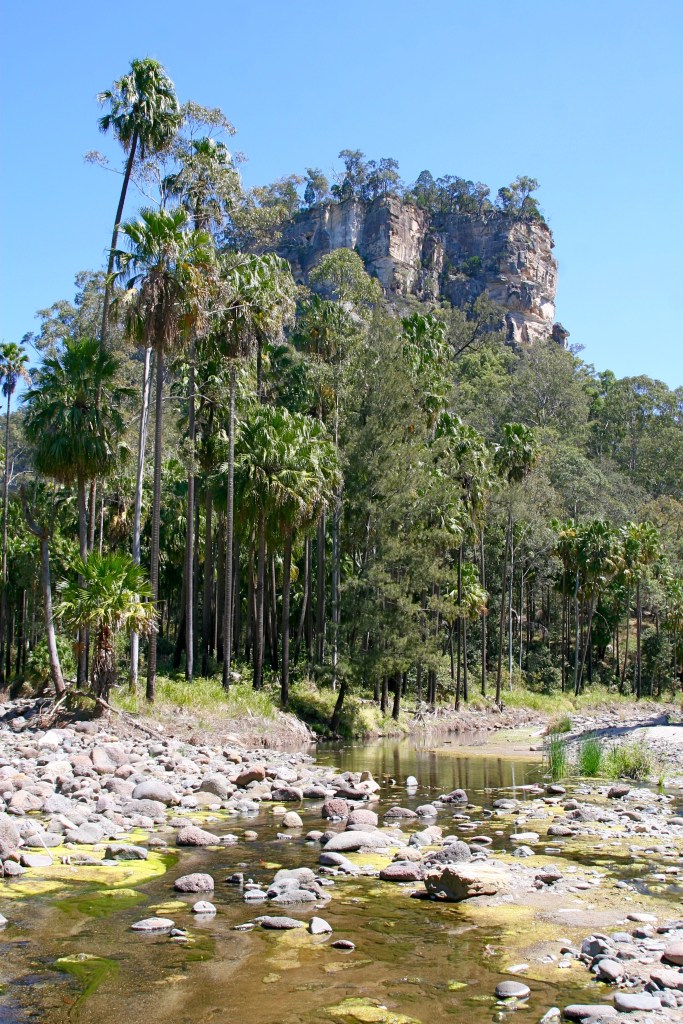
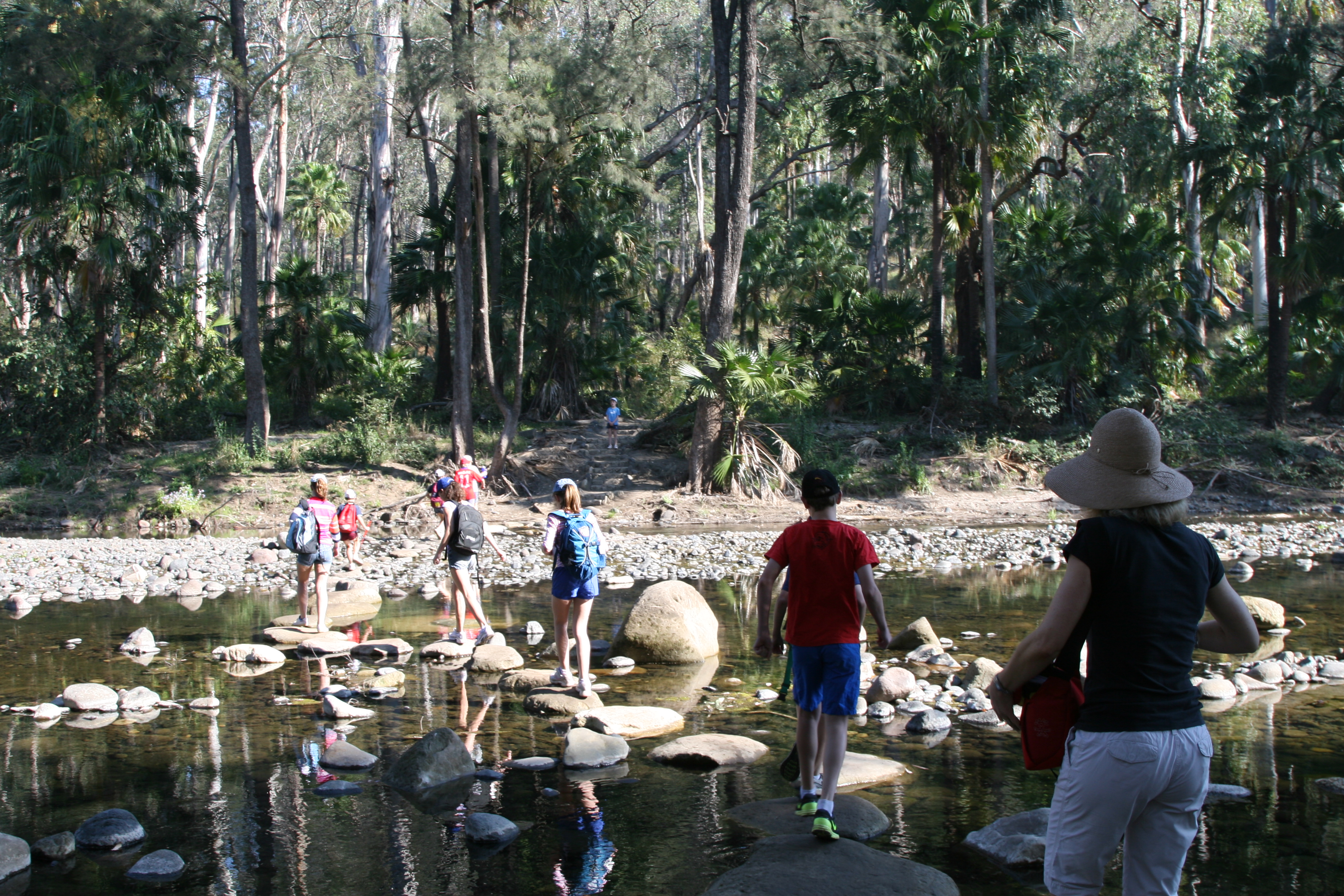
Stepping stones on Carnarvon Creek

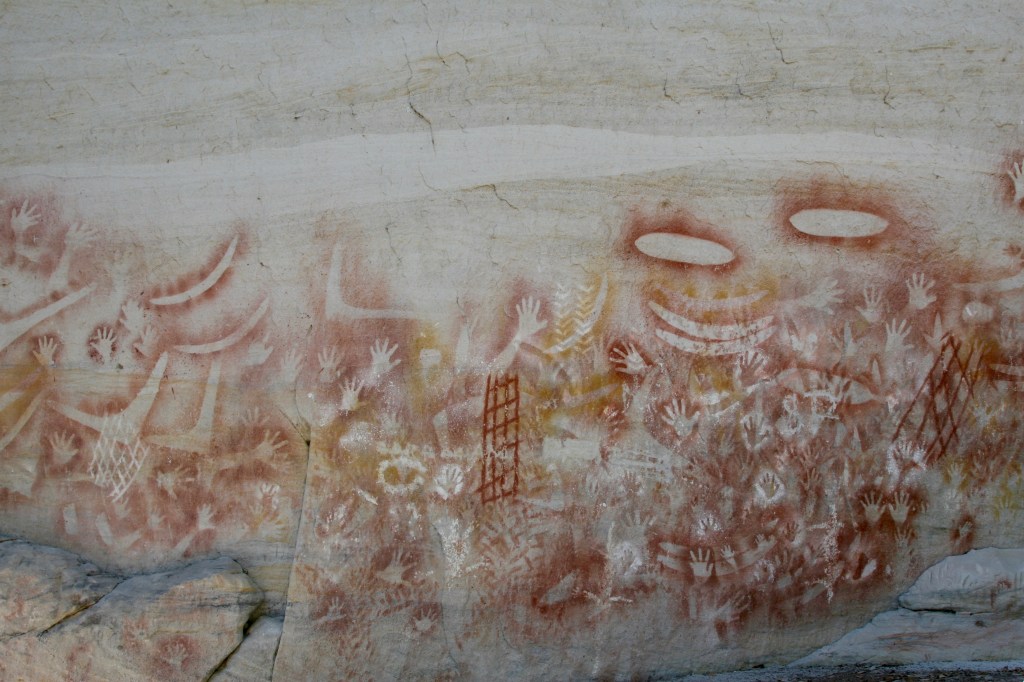
The Carnarvon Gorge main track is rated one of Australia’s best day walks. We set off early and follow Carnarvon Creek for almost 10 km to the picnic area at Big Bend. There are several side tracks to explore on the way – leading to caves and chasms. There’s not time for all of them, even on a full day walk, but one must is the Art Gallery, where 2000 Aboriginal paintings, stencils and engravings adorn a sandstone overhang. The other side tracks can be done on the following days or take a picnic to the rock pool for a break from walking. Get up early if you want to find a platypus (we didn’t). And walk to the lookout behind the campsite for a great sunrise.

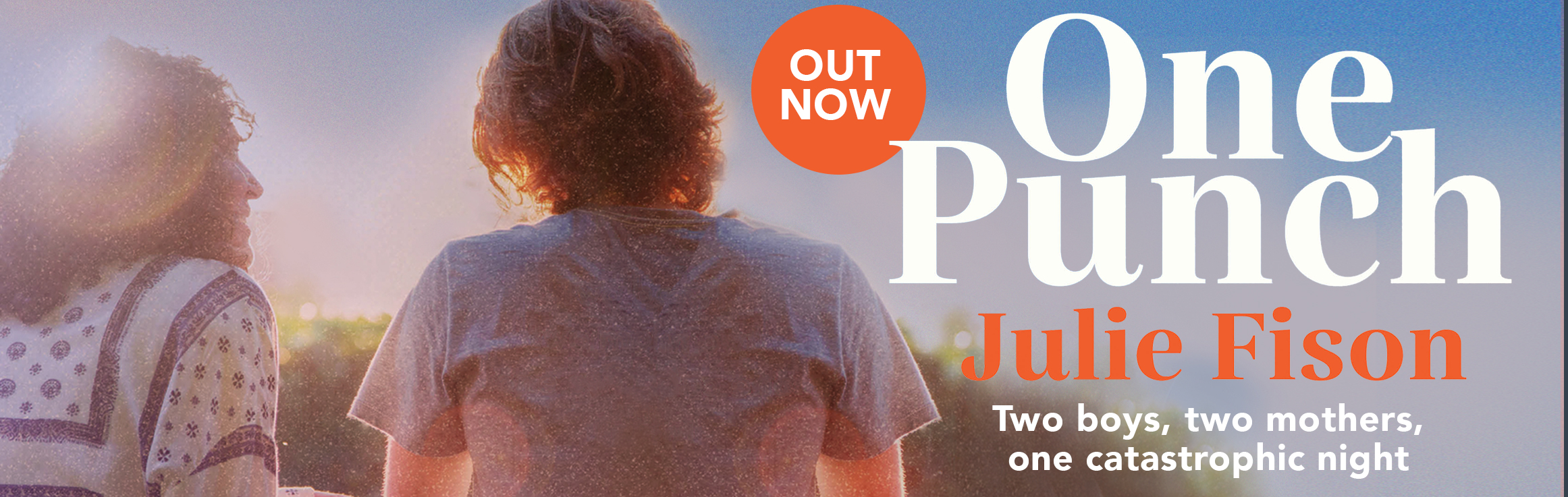
One Punch takes a simple premise and turns it into a tight study of class and human nature – what we believe to be true about ourselves, and those we love, and who we really are. A crime is the pivot point for a sharp observation of human nature and blends compassion and humour in equal measure.

Meredith Jaffe – Author of The Tricky Art of Forgiveness

Day 5-7 Biloela and Agnes Waters

Because it probably is wrong to completely ignore beaches while holidaying in Queensland, we head for the coast after three days at Carnarvon Gorge. We spend a night in Biloela on our way to Agnes Water, but there’s probably no need (unless you really like to visit coal mines).

Sunset at 1770
Sunset at 1770


Agnes Water, just south of Gladstone, has a great beach, a very laid back atmosphere and plenty of accommodation. We stay in a very spacious apartment at Edges, about ten minutes walk from the beach. Make sure you visit 1770, on the estuary side of the peninsular at sunset and stop at The Tree for dinner or a drink. Leave yourself plenty of time to get home. The highway south can get very congested at holiday time with caravans, horse floats and of course there are bound to be road works.

Good luck!

How about some kids’ books for the journey.

Hazard River series

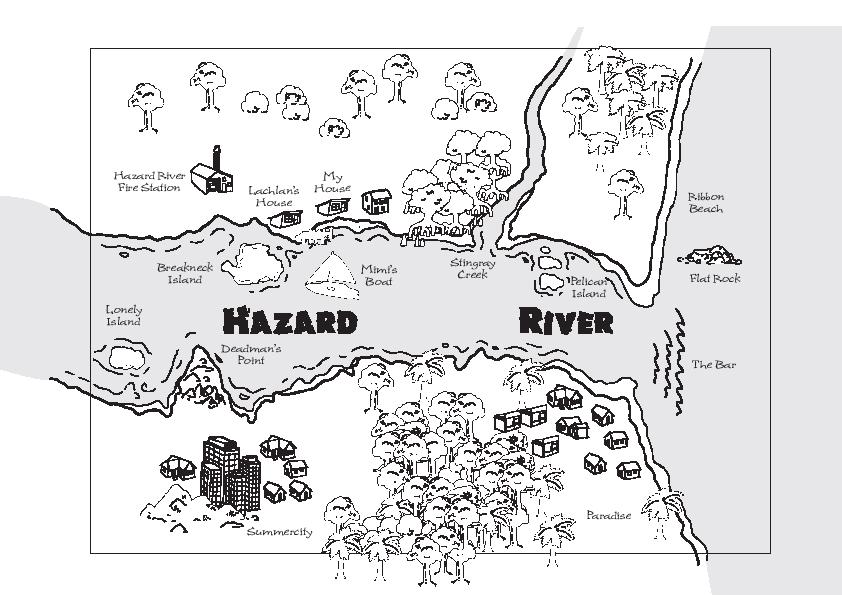
Jack Wilde and his friends come up against smugglers, dodgy developers and rogue fishermen at Hazard River. How will they survive the summer holidays?

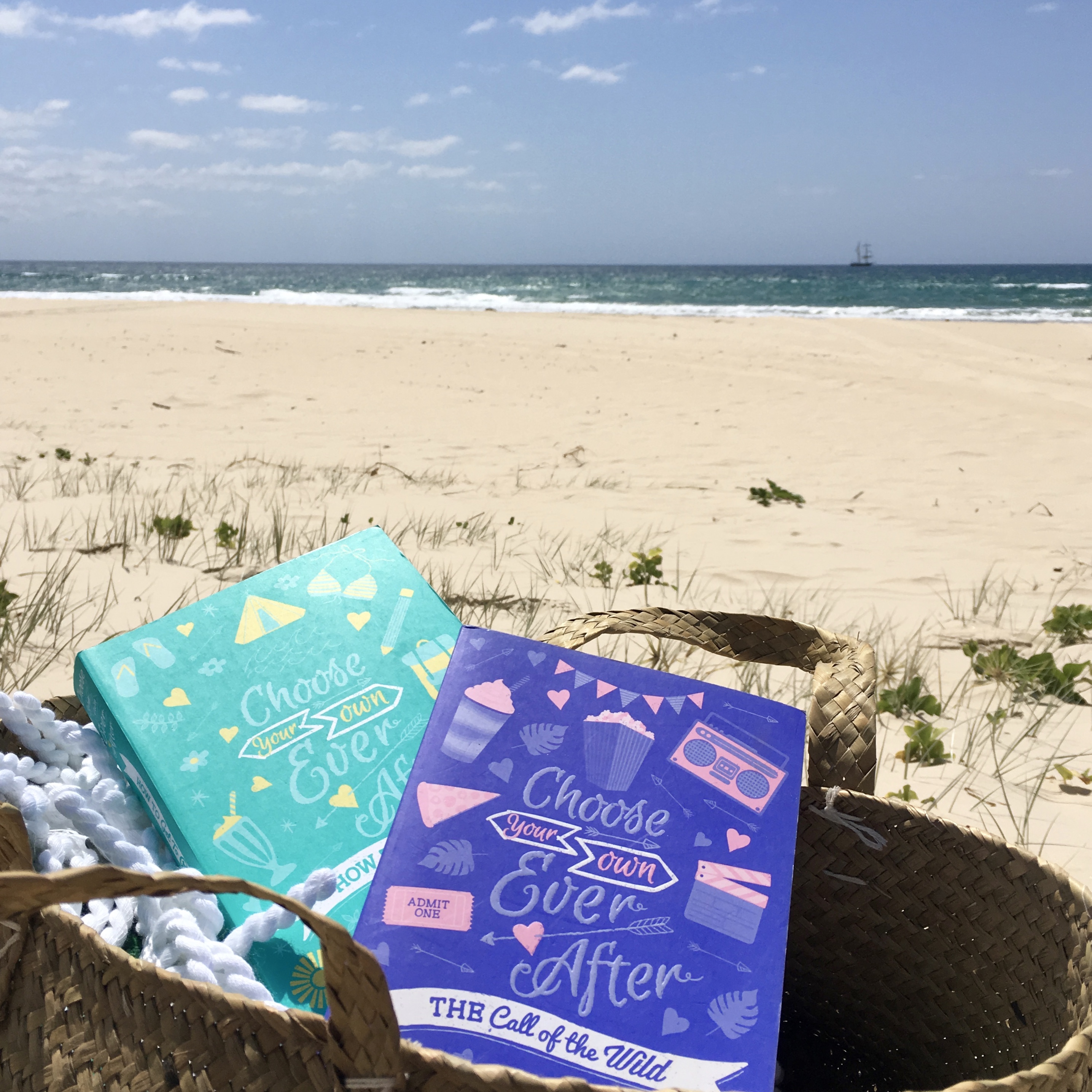
How to get to Rio

For months Kitty MacLean has been crushing on Rio Sanchez who is probably the cutest boy in the world. But it looks like she might never get a chance to hang out with him until she makes a new friend. So, should she go camping with her best friends like she promised or go to Paradise Point with popular-girl Persephone instead?

 Happy travelling!

Hazard River adventure

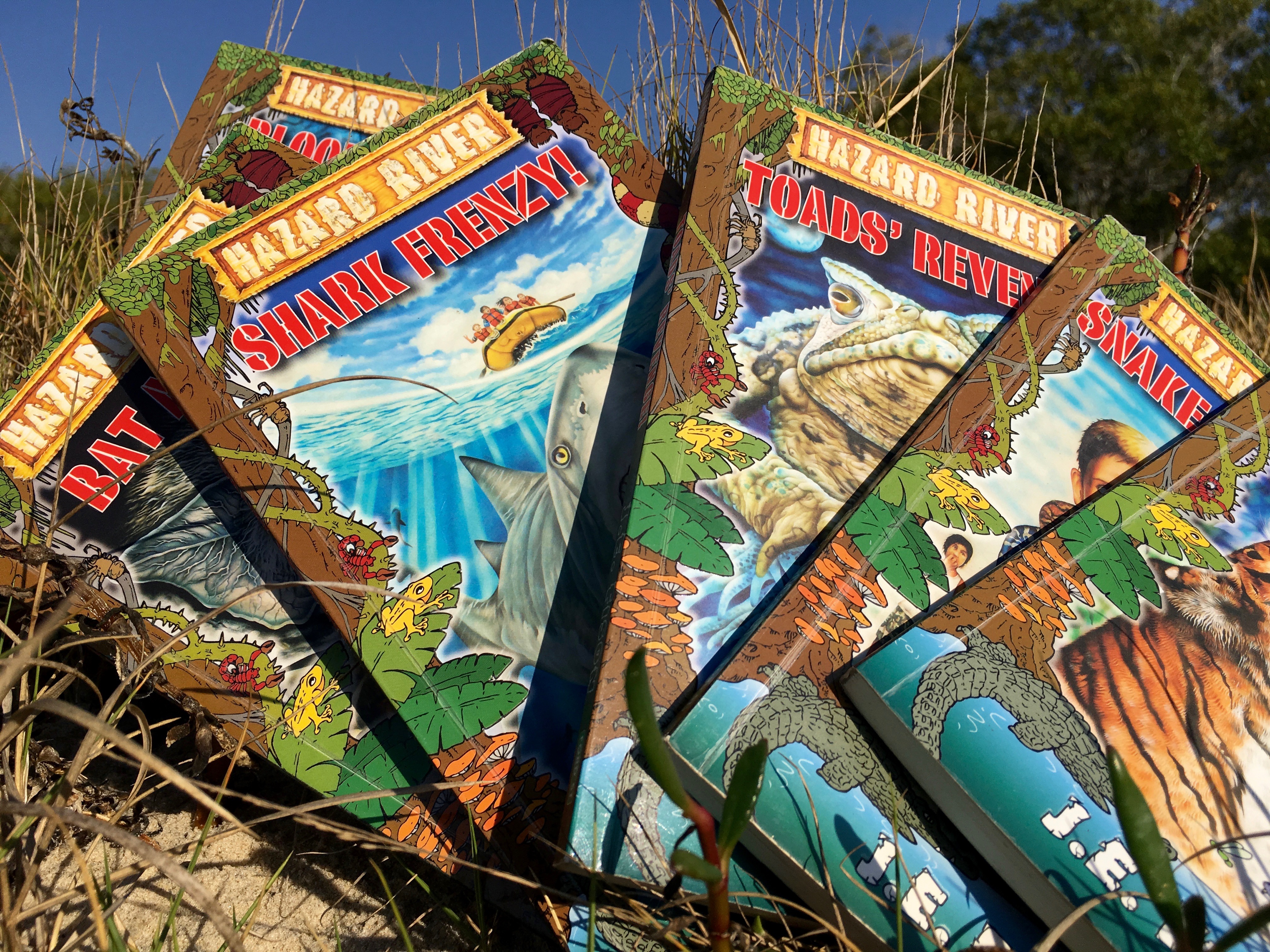
The Hazard River series by J.E. Fison (that’s me) is action-packed fun for young readers. Collect all six!

Holidays are normally fun – right? But when Jack Wilde, his brother Ben and their friends Lachlan and Mimi visit Hazard River nothing is normal. The gang comes up agaist rogue fishermen, smugglers and dodgy developers as they explore the River. How will they survive the summer?

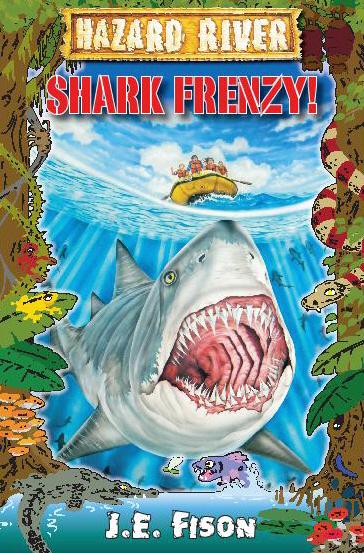
shark-frenzy-front-cover.jpgShark Frenzy!

Jack Wilde and his friends are on holidays at Hazard River when they discover a dead shark washed up on the sand. It has no fins. Is it the work of a monster shark… a giant squid … or pirates? The gang decides to investigate. But finding out what killed the shark lands the kids in a whole lot more trouble than they ever imagined. Review

BUY SHARK FRENZY

Buy Ebook

Snake Surprise!SNAKE SURPRISE! FRONT COVER

It’s a boring wet day on Hazard River until Jack Wilde and his friends find a note on an abandoned boat.  The message is damaged but they can all read the words HELP ME. The gang must find out who needs help and why. But as they get closer to the answer, will they be the ones who need help?

BUY SNAKE SURPRISE

Buy Ebook

bat attack coverBat Attack!

It’s New Year’s Eve and Jack Wilde and his friends are getting ready for a night of fun at the local disco. But when a mad driver almost runs them over, things start to go very badly wrong.  Will New Year’s Eve be the best night of their lives or the very worst? As the clock ticks towards midnight, only time will tell.

BUY BAT ATTACK

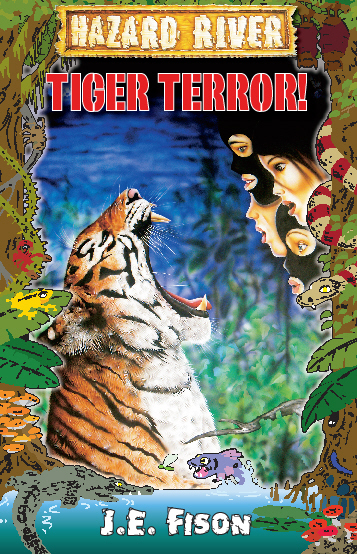
tiger terror front coverTiger Terror!

Tigers are on the verge of extinction. Everyone knows that. So why does Jack Wilde think he’s seen a tiger paw in a medicine shop in Chinatown? To find out the truth Jack and his friends must become junior spies. But they soon realize that their mission is anything but child’s play. Review

BUY TIGER TERROR

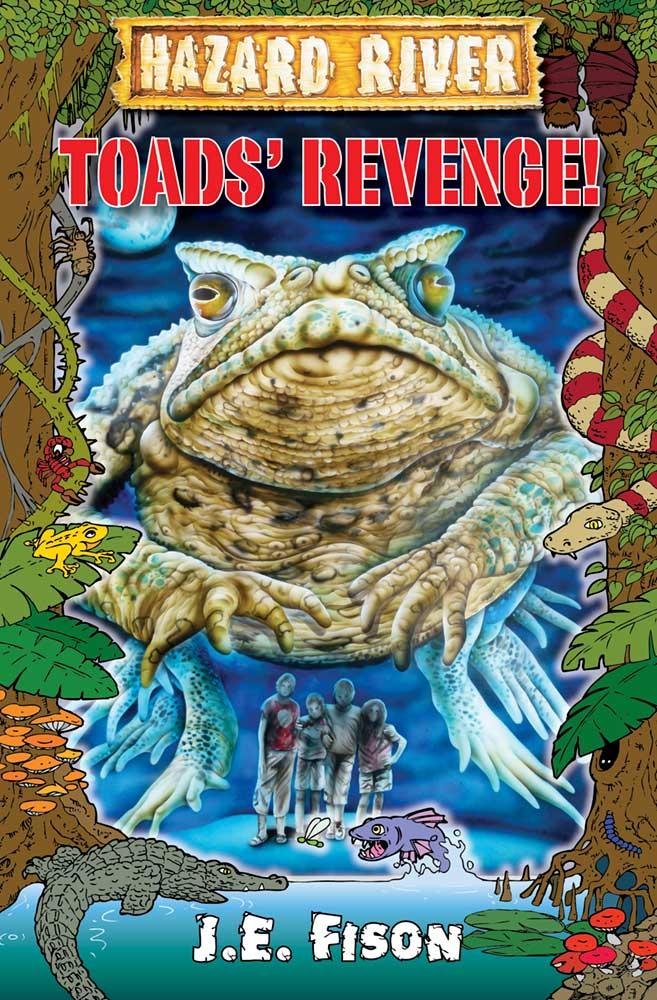
Toads’ Revenge!

toads-revenge-cover.jpgWhen Australia’s best-known adventurer moves to Hazard River, Jack, Ben, Mimi and Lachlan want to meet him. But instead of getting to know Just Orsum, the kids end up on his most dangerous and daring mission ever. Where will they end up, and more importantly how will they ever get back?

BUY TOADS’ REVENGE

“I love the characters, they are fun and believable, the adventure is perfect for this age group and the story keeps you interested all the way until the end. A good choice for tweens, and even the reluctant readers could be turned with this one. It flows well and with plenty of humour and action it is sure to impress. I would definitely recommend this book, and indeed this series.” Bug in a Book

Meanwhile, it's non-stop action at Hazard River ...

Blood Money!

Everyone wants to have cool new stuff. Right? So when Jack Wilde and his friends find a bag full of money at Hazard River, it looks like all of their dreams have come true. But as they soon discover – money doesn’t always bring happiness, sometimes it buys a whole lot of trouble. Review

BUY Hazard River


“Totally awesome reading… Loved the action on every page. I couldn’t put it down.” Oz Kids in Print

The idea for the Hazard River series crept up on me during a family trip to the Noosa River. During the holiday my sons teamed up with friends and spent their daysTangalooma making camps, building rafts, jumping off jetties, avoiding snakes, dodging stingrays, exploring sandbanks and generally having a Boys Versus Wild adventure. I was inspired. Hazard River is published by Ford Street Publishing and the covers are done by the very talented Marc McBride (of Deltora Quest fame).

Kindle 

Shark Frenzy

Snake Surprise

Wheelers 

Shark Frenzy

Snake Surprise 

Google 

Shark Frenzy 

Snake Surprise

Kobo 

Shark Frenzy 

Snake Surprise

Summer holidays are meant to be fun but at Hazard River, danger lurks behind every tree.
Summer holidays are meant to be fun, but at Hazard River danger lurks behind every tree.

RHYW (Large Print eBooks) 

Shark Frenzy

Snake Surprise 

Sony 

Shark Frenzy

Snake Surprise 

BAEN 

Shark Frenzy

Snake Surprise

BUY THE HAZARD RIVER SERIES HERE.

Toads’ Revenge: Jack Wilde, his brother Ben, and his friends Mimi and Lachlan find themselves in a freaky other world in Toads’ Revenge, when they accidently shoot themselves into the future. The kids face their most gruesome adversaries yet – giant mutant cane toads. How will they overcome them and more importantly, how will they get home again?

Here’s a taste of the action:

‘Eenie, meenie, minie, mo . . .’ Ben says, pointing at the buttons as he chants the rhyme.

‘This one looks good,’ he says. He makes a random selection and pulls down a lever for good measure.

The lights in the cinema go down and a nice woman, like a flight attendant, comes on the screen. She starts rattling off some safety instructions. It’s the usual stuff about seatbelts and emergencies. Just why you’d need that stuff to watch a movie is anyone’s guess.

I completely ignore the seatbelt warning. I’m hardly listening at all, until the screen goes black. I wait for the movie to start, wondering what will come up.

That’s when a countdown begins.

‘Ten…nine…eight…’ a serious voice says.

‘We have to get out!’ Mimi shouts, jumping out of her chair. She runs for the exit, banging at the control panel. The door doesn’t budge. The countdown continues.

‘Relax,’ Lachlan says.

But I’m not relaxed. I’m getting nervous. I wish I hadn’t followed the Master of Disaster on another dumb mission.

I jump out of my chair and help Mimi, mindlessly pushing buttons.

The countdown goes on. ‘ Three . . . two . . . one.’

The room starts spinning. Slowly at first, then faster. So fast that I’m hurled against a bare metal wall. Mimi is flung against the door beside me. Lachlan is ripped from his chair. I look around and find Ben. He’s spread-eagled against the television screen. His face is frozen in terror.

We’re all trapped like flies on a piece of honey toast.

‘Enjoy your flight,’ the countdown voice says.

The room is spinning so fast that I can’t

see a thing. It’s all a blur. There’s a flash of white light, a nasty pain between my eyes, then my mind goes blank. (Chapter 1 Toads’ Revenge)

Money doesn't always buy happinessIn Blood Money, Jack Wilde thinks he’s made the big time when Ben discovers a bag full of money. Jack and Lachlan want to spend it, but Ben thinks it’s cursed and Mimi wants to take it to the police. The gang decides on some detective work to find out where the money has come from. But that’s when they really get into trouble!

Here’s the point where things start to wrong in Blood Money:

‘ Think, Ben,’ I say. ‘ What were you doing when you first saw the bag?’

Ben scratches his head. He doesn’t say anything. I hope that is because he’s thinking. But he might just be deciding if green thongs are better than red ones. Who knows?

‘I was hanging from the rope swing,’ he says. ‘That’s when I saw the bag.’

Hooray! He thinks!

‘The rope swing!’ I shout, hugging my brother. ‘That’s near here.’

I run through the mangroves until we reach a clearing. A big gum tree stands in the middle. A rope dangles from one of the branches. Dad tied it up there at the start of the holidays. I haven’t used it much, but Ben often comes here. It’s some kind of kangaroo graveyard. Ben likes to look for kangaroo bones. What can I say? It’s just something Stink Collectors do.

I run to the swing and grab hold. I wrap my legs around the rope and swing towards the mangroves. I see something big and black.

‘There!’ I shout. ‘The bag! It’s right behind you, Ben.’

A sports bag is hanging by one handle. It’s on a low branch of a mangrove tree. The bag is bulging. It must be packed with money. I let go of the rope and fly through the air towards the mangroves.

‘Weee!’ I shout. ‘Money does grow on trees!’ (Chapter 2 Blood Money)

Blood Money is fiction, but it was inspired by a true story – a few years ago two brothers were fishing in a quiet creek in NSW and they found a plastic bag full of money – $100,000 in cash! The boys thought long and hard about what to do with it, but eventually handed it in to the police.

Buy books here.  

Happy reading!

Julie

Can writing fiction improve your parenting?

As every aspiring author knows, writing a good story is about inhabiting the minds of the story’s characters and translating their motivations and actions into convincing and entertaining prose. And so, it was without hesitation, that I invaded the mind of a ten-year-old boy for my first foray into the world of fiction writing, the Hazard River series.

shark-frenzy-front-cover.jpgThe idea of writing an adventure series for tweens crept up on me during a family holiday to the Noosa River. My two sons teamed up with friends and spent the summer on a Boys Own Adventure – exploring sand banks, biking through the bush, dodging snakes and avoiding stingrays. I was inspired.

While the kids had adventures I started to write about them. It seemed only natural that I would choose a boy to narrate the story. I called him Jack Wilde. I saw things through his eyes, I talked like him and I behaved like him (only in print, of course). You don’t need a psychologist to tell you that thinking like a ten-year-old boy is a dubious life choice, but I found the experience quite enlightening.

I have now written six books in the Hazard River series – four are in bookshops, another two, are due out next month. The whole process has been frustrating at times, but overall it has been hugely rewarding. I think it has also made me a better parent.

It goes without saying that working from home makes the school run, homework and sporting commitments much easier to manage. But I was working from home before I started writing fiction – as a freelance features and marketing writer. The improvement in my parenting skills came from other things.


Firstly, I thoroughly enjoy writing and a happy mother is a good one. I also get incredibly absorbed in my work, so a lot of small indiscretions in the household slip under the radar – another good thing. My sons have became very involved in the whole writing process, coming up with ideas for stories, editing my manuscripts and helping with the marketing, by showing off my stories to classmates. And whenever my children see me at the computer they assume I’m working on a new story. The boys groan when my husband is in front of the computer. He’s not doing anything useful as far as they are concerned – he’s just shirking his cricketing/rugby/tennis responsibilities. When they see me working, they believe there’s something very tangible in it for them.

SNAKE SURPRISE! by JE FisonFinally, inhabiting the mind of a ten-year-old and writing the Hazard River series has given me a little more insight into my own boys. It has also reawakened my sense of humour. As a mother, it’s easy to fall into the role of head of the fun police, a joy sucker on every occasion. Now I’m on the lookout for funny things to weave into my stories. And I’m finding them – everywhere. I’m glad I’m not trying to raise a family on my royalties, but the personal rewards from writing are tremendous.

Just don’t ask me about the size of the washing pile or what’s lurking under the sofa. My propensity for housekeeping is inversely proportional to my interest in writing. The good news is that no one (as far as I know) has ever been arrested for sending their sons to school in a creased shirt and few people are celebrated for their housekeeping prowess.

Hearing Voices

It’s always enriching for a writer to hear the experiences of a best-selling author. Just listening to their stories, the inspiration for their books, the routines they follow, provide clues to how to succeed as an author. And when that author is Pulitzer Prize winning author Geraldine Brooks, I have to admit, I’m hanging on every word.

This week I listened as the author of March, Year of Wonders and my favourite, People of the Book, shared snippets of her journey from her time as a foreign correspondent in the Middle East to her latest book Caleb’s Crossing.

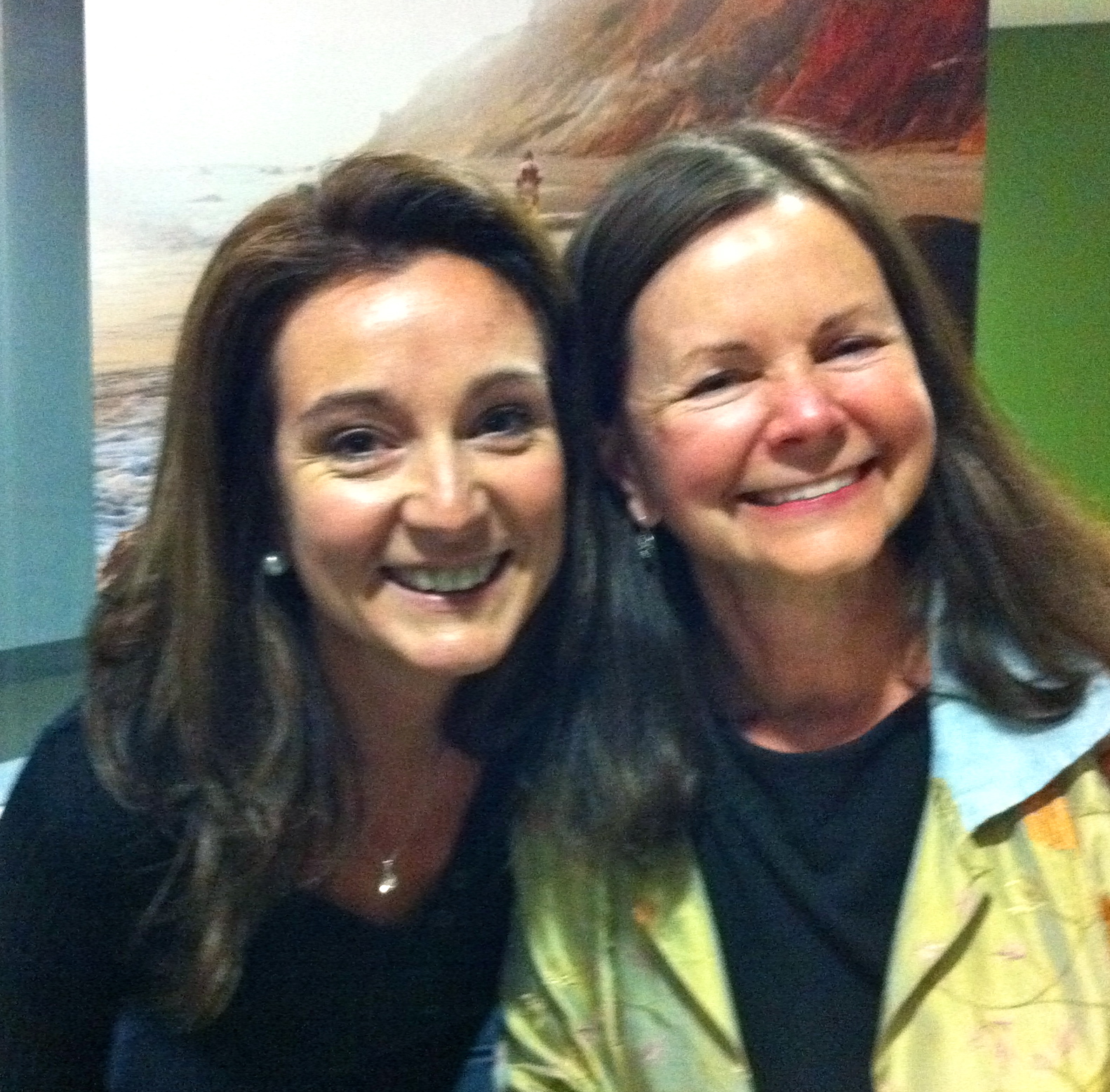
Julie Fison, Geraldine Brooks
Catching up with the massively talented Geraldine Brooks

If you haven’t read Caleb’s Crossing, the book is about the first Native American to graduate from Harvard. Yet, the story is told by a young Puritan girl who befriends him. So, why did Brooks choose Bethia Mayfield as the narrator? Apparently, that’s the voice she heard when she was researching her story. As Geraldine Brooks puts it: she wouldn’t be so presumptuous as to try to write a first person account in Caleb’s voice. But she was able to write a convincing story in Bethia’s voice from the shreds of evidence that remain of colonial life in North America in the 17th century.

How wonderful to have a voice emerge from the archives, but as Brooks admits – if she can’t hear a voice, she doesn’t have a story. And that’s an important point. The voice is a crucial element of storytelling – a fresh, credible voice can make a novel, a clichéd, contrived one can break it.

When I wrote the Hazard River adventure series, I used the voice of a ten-year-old boy. It wasn’t hard to hear the voice – he was yapping away in the background. My own sons inspired the characters in the series as well as the adventures. I faithfully followed the advice: write what you know.

I shared the inspiration for the Hazard River series at a festival for young writers and readers earlier in the week. The aptly named Voices on the Coast is a celebration of storytelling on the Sunshine Coast in Queensland. I was there to help inspire the next generation of writers, but the process works both ways. It’s hard not to be energized by students who are so enthusiastic and talented – bubbling with imagination and ambition. I am inspired to get back to a half finished story on my computer, follow the voices and find out how it ends.

I better get on with it or the voices I’ll be hearing will be those asking for help with Maths homework and questioning what’s for dinner.