Author alert: Blog tours can be dangerous

Call me accident-prone if you like (you wouldn’t be alone), but I may be the first author to sprain an ankle on a virtual book tour. As you know, over the past month, I’ve been visiting writing buddies across the country talking about my first book in the Choose Your Own Ever After series – How to Get To Rio (HGE, 2014). As it’s been a virtual tour, I’ve been able to do all of my interviews and guest posts, without having to get on a plane or disrupt my family schedule. But that’s where things got dangerous.
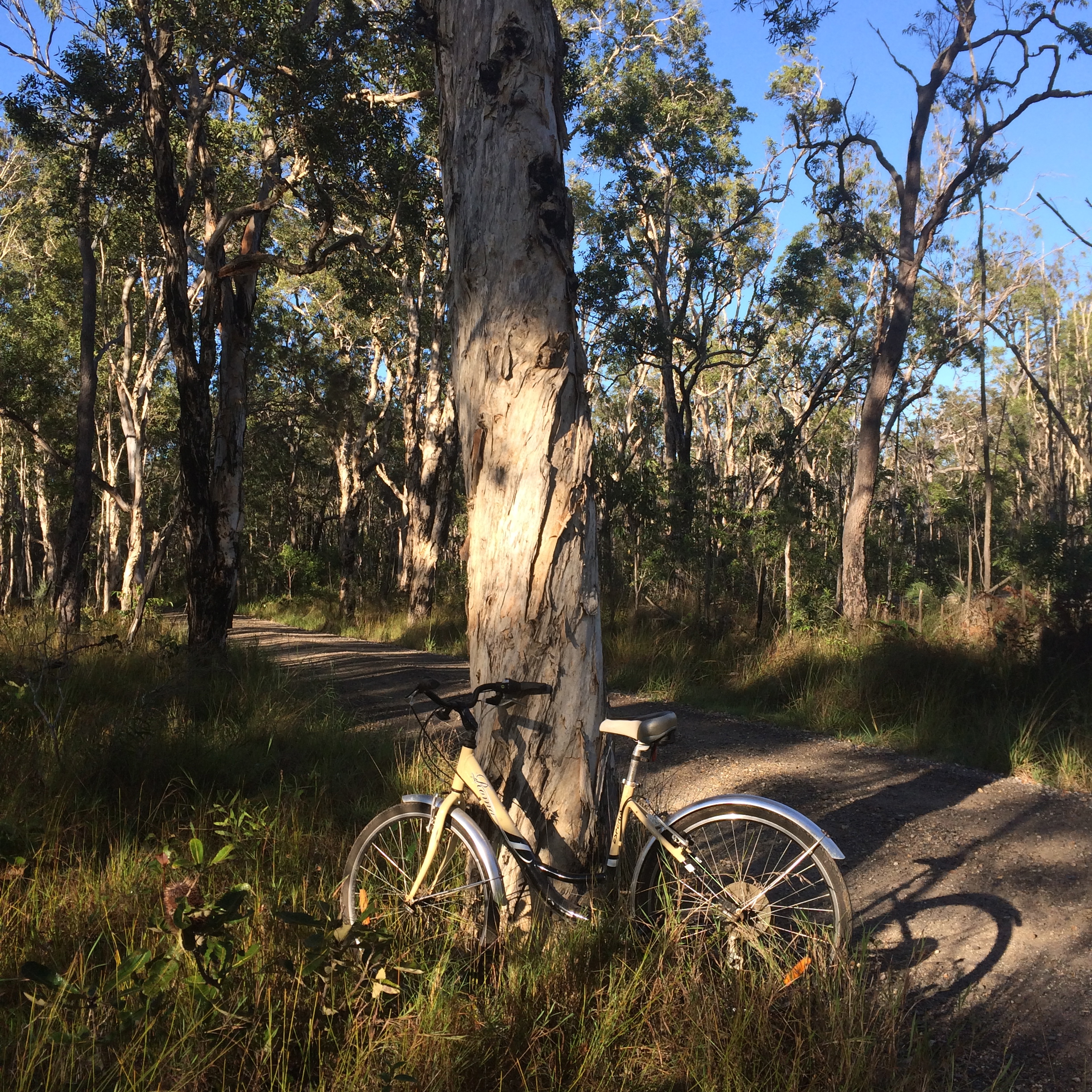
Noosa North Shore
The Noosa North Shore was the inspiration for the Hazard River series.

Mid blog tour, I was enjoying a family holiday in Noosa when trouble struck. While most people know the glossy side of Noosa, many don’t know its wild side. On the north shore of the Noosa River is a largely unspoilt wilderness of tea tree swamps, riptides, snakes, stingrays and sharks. You don’t have to try too hard to get into strife there. The  bush tracks and sandbanks were the setting for my first kids’ adventure series – Hazard River (Ford Street, 2010) 

Conditions were perfect this Easter. The weather was glorious, and I hadn’t seen a snake, a shark or even a cane toad. I’d been able to attend to my virtual blog tour responsibilities efficiently (a post here, a share there, everywhere a tweet, retweet) and still had plenty of time to get to the beach and go for lots of lovely early-morning bike rides. Glory days! My mistake however was to get involved in a friendly game of North Shore beach soccer.

It was boys against the rest, as usual, and we were not going too well. The parents were down five-nil, when I was passed the ball. I dribbled it towards the goal, feeling confident. But before I had a chance to launch my strike, I was taken out by a slide tackle. I can’t name names, but mothers of boys will understand who was responsible. I went down in agony and the game was abandoned.

Now I’m sitting at my desk with an icepack on my badly sprained and discoloured ankle, even though it’s the weather for Ugg boots. I should be walking the Great Ocean Road with my book club pals, instead, I’m over-sharing on social media. I’m wondering how things would have turned out if I’d packed my bags and gone on an actual book tour to launch the Choose Your Own After series.
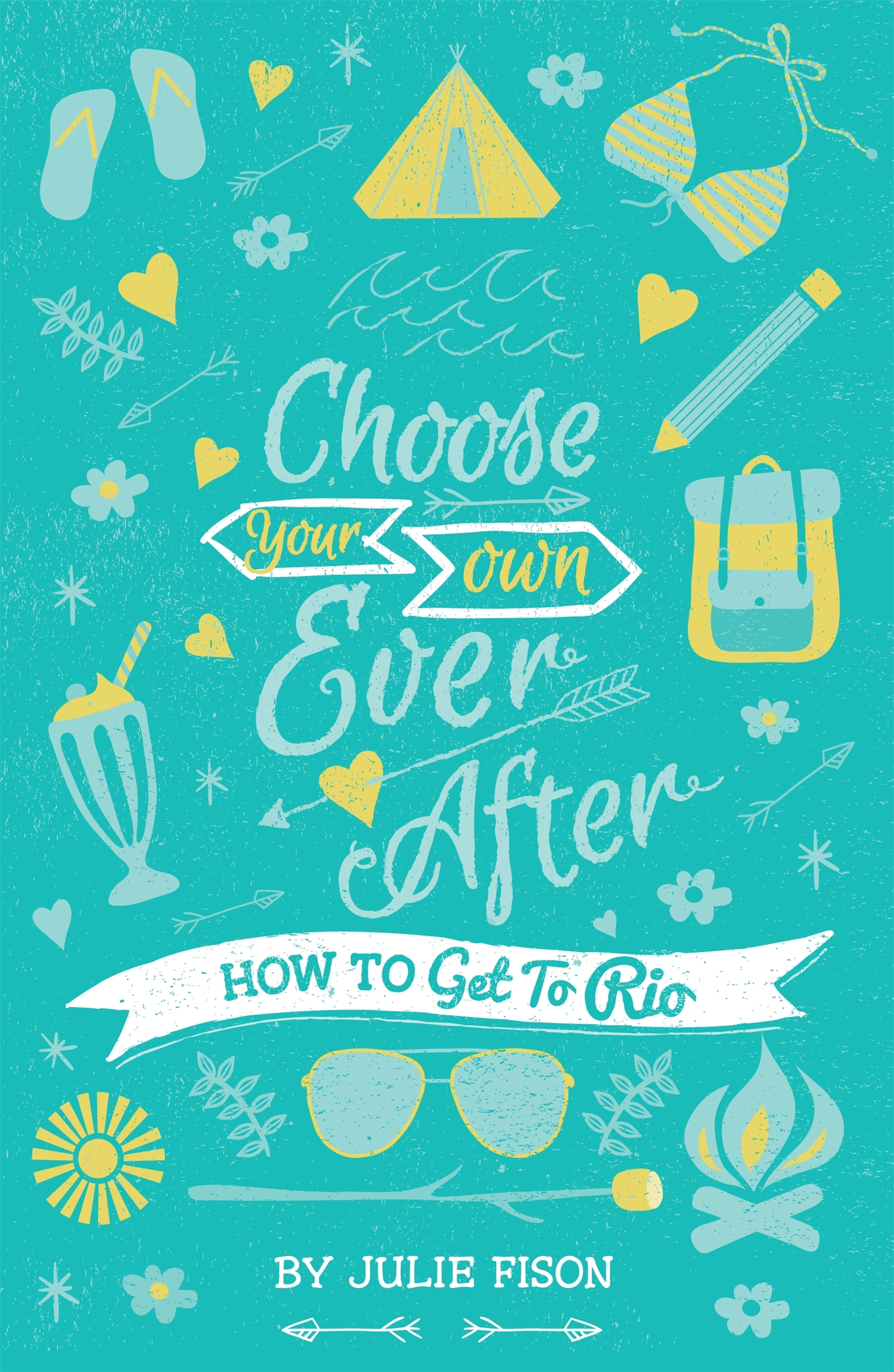
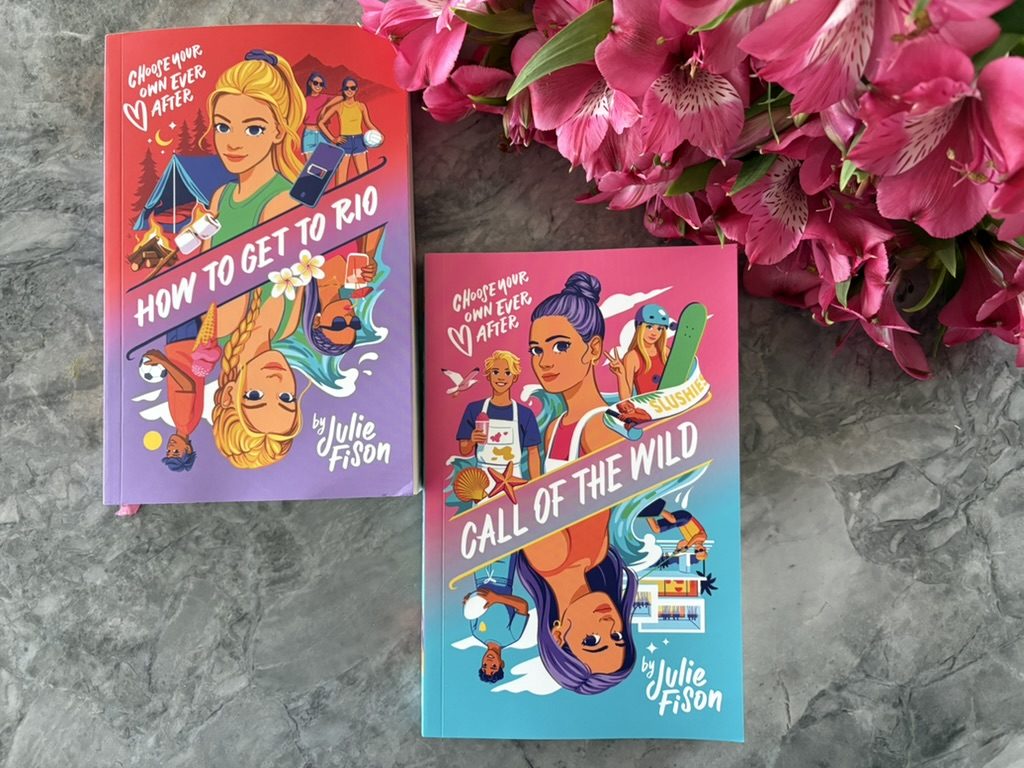
How to get to Rio front coverThis is just the sort of thing I explored in How to Get To Rio – a pick-a-path story for girls 10-14, where every choice has its consequences. By complete coincidence the main character feigns a sprained ankle to get out of a camping trip. I can’t tell you what happens from there, but Kitty gets a nasty surprise too, on one of the pathways. But if the reader doesn’t like the outcome, she can always go back and pick a different path.

Of course, that doesn’t work in real life. What’s done is done. All I can do is hope everyone learns from their mistakes. I have. My beach soccer  striker days are definitely over (some might say they never really began). I’ll stick to the sidelines from now on or suggest a safer game. Just what that might be I’m not sure. I know a mother who broke her arm playing beach cricket with her kids, and I heard of another mum who banned her son from all competitive sport because she feared an accident. He fainted during a choir rehearsal and broke his wrist.

As for virtual blog tours, I’m prepared to take my chances again next time.  They aren’t always dangerous. The biggest risks are probably tripping over the dog on the way to make toast or having a panic attack when the tea bags run out. Having said that, life is full of surprises!

Thank you to my talented and generous author friends who hosted me on my on this tour. You are legends.

Thanks also to Amazing Australia for including me on their website. Not an intended stop on my book tour, and not a list I wanted to be on, either (see the garfish section). This one’s for extreme animal attacks – another  wrong place, wrong time holiday story.

Here’s a wrap up of my tour, just in case you missed any of my stops.

Sherryl Caulfield – Interview

Australian children’s and young adult author, Julie Fison, has a new book out this month called How To Get To Rio. It’s part of a cool new Choose Your Own Ever After series that lets the reader decide how the story goes. I have loved this concept ever since I read The French Lieutenant’s Woman which had three possible endings … (read more)

Kids’ Book Review – The unintended consequences of writing

Authors can find themselves in the strangest situations. Admittedly, they are mostly in our heads as we duck and weave our way through fictitious plot twists. And with the amount of information on the internet, we scarcely even need to leave our desk for research purposes. A walk to the kitchen to put the kettle on is a big excursion some days … (read more)

Dee White’s Writing Classes for Kids: Writing a pick-a-path story

Sometimes it’s hard to come up with one good ending so I’m totally in awe of people like Julie who are able to write a book with multiple endings and the reader gets to choose their own path… (read more)

Cereal Readers – Interview/review

Cereal Readers is pleased to welcome a new Australian series out this month, called Choose Your Own Ever After. The series has been written for girls aged 10-14 years with a focus on realistic situations relating to friendships, family, school and budding romance. As in every day life, dilemmas arise for the main characters – situations in which they must make decisions and determine their own path. Each of the books is structured so that the reader becomes integrally involved in the direction of the story, making choices for the main character at critical points along the way and there by affecting the outcome of events … (read more)

Dimity Powell’s Boomerang Books Blog – Interview/review

The choices kids are offered in life are often not worth writing about, at least not in their books. ‘Eat your brussel sprouts or go to bed hungry.’ Hardly welcome decision making. Yet understanding action and consequence is vital for building character, strengthening confidence and learning that ‘choice, not chance, determines ones future. Opportunities might come our way by chance, but it’s what we choose to do with them that is important,’ so believes author, Julie Fison … (read more)

Buzz Words – Interview/review

A different spin on the idea of choosing your own adventure, is a series aimed at 10 to 14 year old girls, where the reader gets to make decisions about her ‘ever after’. Based around the character’s relationships with girl friends, cute boys and family, this story plays out various scenarios based on choices the reader makes as she goes along … (read more)

City North News – feature

City North News feture

Extra dates announced!

May: Bug in a Book – Review

Kitty McLean faces the dilemma of choosing between her old best friends, Mia and Izzy, or her new, cool friend Persephone – all in the pursuit of Rio, the cute boy that catches her school bus each day, whom she has a crush on. Kitty has to decide whether she will spend her holiday camping without power with Mia and Izzy, or spend a week at a resort with Persephone and meeting up with Rio at the beach. (Read more)

June: The Book Chook – Writing tips

BUY How To Get To Rio

‘Tween girls will simply love this choose your own adventure style new series. Dealing with real world issues, How to Get to Rio gives the reader a delicious amount of power over the story they read – what will your Ever After be?’ The Little Bookroom

‘This is a perfect girls novel, where the reader gets to make Kitty’s decisions. Full of friends, family, school and first love, this book is fun, sensitive and has great characters that the girls will recognise and relate to (especially the annoying little brothers!). Best of all, you can read this book lots of times with lots of different stories. Perfect for Year 7 & 8 girls.’ Lamont

The details:

Pub Date: April 2014

Imprint: HGE

Choose Your Own Ever After: How to Get to Rio

ISBN: 9781742977744

Author: Julie Fison

A$14.95/ NZ$14.99

256 pages

198 x 128mm

10+

A visit to Hazard River

Noosa North Shore
A bush track on the Noosa North Shore

It’s hard not to be inspired by this place – a little corner of bushland between the Noosa River and the North Shore beach. There are no chic shops or must-do restaurants on this side of the river. It’s all about dirt tracks, deserted beaches, boats, bikes and  unexpected encounters – kangaroos boxing on the neighbour’s lawn, trees growing out of abandoned trucks and snakes turning up in odd places. One joined me on my deck chair while I was engrossed in a novel. I’ve never got out of a chair so fast before! Hazard River series by JE Fison

The North Shore was the setting for my first series for young readers – Hazard River (Ford Street Publishing, 2010). It also found its way into my most recent book for tweens – the Choose Your Own Ever After story – How To Get To Rio (HGE, 2014).

Now, those tea tree swamps are getting into my head again. And who knows where they’ll take me.

Choose Your Own Ever After

GREAT news for girls who like to call the shots!

YOU get to decide where the story goes in

 Choose Your Own Ever After

You decide how the story goes in the Choose Your Own Ever After series.

The fun starts with How To Get To Rio. Follow your heart right to the end, and then go back and choose all over again.

Schoolgirl Kitty McLean has to choose between going camping with her best friends or going to an exclusive beach resort with popular-girl Persephone. She wants to spend the holidays with her besties but she also wants to get to know Persephone better. The beach holiday has an added attraction – a cute guy called Rio, is going to be there!

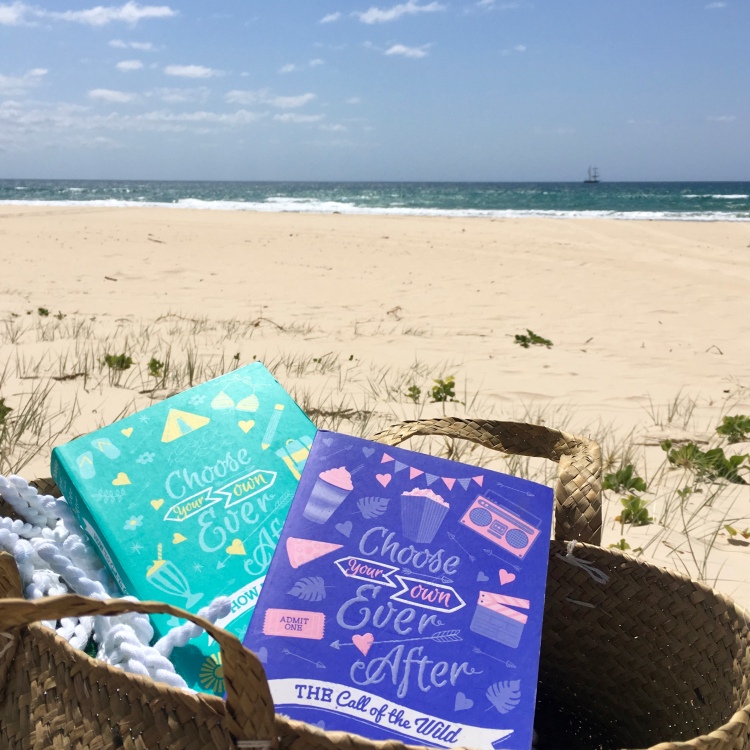
The inspiration: The story was inspired by a family trip to Carnarvon Gorge in central Queensland. We went with two other families, so that meant a pile of kids, endless games of capture the flag, lots of slime fights,  and loads and loads of fun. You can read all about it here. CYOEAThe Call of the Wild and How to get to Rio (Choose Your Own Ever After) by Julie FisonThe virtual book tour: To celebrate the release of How To Get To Rio I’m heading off on a virtual tour.  I am starting with my old uni friend, and talented new author, Sherryl Caulfield. I’m visiting other great children’s authors and writing blogs during April for reviews, interviews and more. I hope you can join me.

1/4: Sherryl Caulfield – Interview

9/4: Kids’ Book Review – Guest post

15/4: Dee White Writing Classes for Kids – Tips on writing a pick-a-path story

23/4: Cereal Readers – Interview

28/4: Boomerang Books Blog – Interview

Bug in a Book – Review

Buzz Words – Review

13/6: The Book Chook – Writing tips

BUY How To Get To Rio

BUY IT (USA)

Also, check out The Call of the Wild. Another great Choose Your Own After story where you get to make the decisions! OUT NOW

‘Tween girls will simply love this choose your own adventure style new series. Dealing with real world issues, How to Get to Rio gives the reader a delicious amount of power over the story they read – what will your Ever After be?’ The Little Bookroom

‘This is a perfect girls novel, where the reader gets to make Kitty’s decisions. Full of friends, family, school and first love, this book is fun, sensitive and has great characters that the girls will recognise and relate to (especially the annoying little brothers!). Best of all, you can read this book lots of times with lots of different stories. Perfect for Year 7 & 8 girls.’ Lamont

The details: See where to buy HOW TO GET TO RIO Pub Date: April 2014 Imprint: HGE Choose Your Own Ever After: How to Get to Rio ISBN: 9781742977744 Author: Julie Fison A$14.95/ NZ$14.99 256 pages 198 x 128mm 10+

CHECK OUT The Call of the Wild – another great story in the Choose Your Own Ever After series. This time nature loving Phoebe has to choose between a super-cool party with her besties and a Save-the-Orangutan movie night.

Get Smitten

Fall in love with the Smitten series.

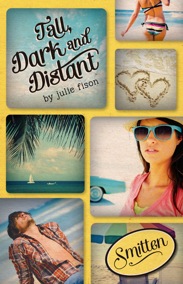
Tall, Dark and Distant Tall, Dark and Distant: He’s gorgeous, with god-like abs and an adorable English accent. Then she discovers that he’s actually a member of an obscenely wealthy Russian family, and he wants to get to know her better. Nik catapults Georgia into a world of private yachts, fast cars and expensive jewellery. Having a billionaire for a boyfriend certainly comes with benefits, but it also comes with a price. How long will it take before life in the fast lane spins out of control? Tall, Dark and Distant is out now! Get SMITTEN here

‘Loved it! Georgia is a great character and Nik the perfect leading man. Glam and funny with some danger thrown in. What a fun summer read.’  Kate Forster

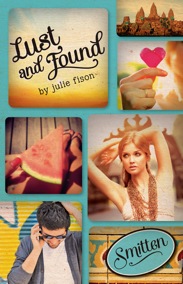
Lust and FoundLust and Found: Cambodia is the last place in the world Sienna wants to visit. She likes five-star hotels and exercising her credit card in air-conditioned malls not flea-ridden hostels and trekking through the jungle. But when her brother Eddie starts sending strange messages from Cambodia, Sienna’s mum convinces her to go check on him. Thankfully, her boyfriend agrees to go along. When they arrive, they discover that Eddie has disappeared. Sienna just wants to find him and get the hell out of there. Everything in Cambodia is getting to her – the language barrier, the unrelenting humidity, the mosquitos. But mostly it’s Eddie’s maddeningly hot French friend, Guillaume, who couldn’t be more unhelpful if he tried. Lust and Found is out now! Get SMITTEN here. 

‘Lust and Found takes you on an exotic adventure through the heart of Cambodia. It combines a beautiful background, a curious quest and two main characters who continue to surprise. The characters are confronted with the real problems of travel and the novel explores how they learn to adapt to an unfamiliar world. It perfectly illustrates the idea that getting lost in your travels is not always a bad thing, leaving you wanting to explore the luscious environment of Cambodia for yourself. You will want to finish this book in one sitting as it draws you inexorably onward.’ Yasmine Morssi.

Brand new! Counterfeit Love Counterfeit Love by Julie FisonLucy Yang is loving her first television job in Hong Kong. She works hard and plays hard, and she doesn’t have time for a relationship if she wants to become a TV news anchor by the time she’s twenty-one. Besides, what man could live up to her impossibly high standards? Then she meets Byron, and her world is turned upside-down. Funny, clever and impossibly gorgeous, Byron might just satisfy all of Lucy’s criteria. Sure, he’s a little cagey about his job, but what businessman in Hong Kong doesn’t want to protect trade secrets? But as Lucy desperately tries to get to the bottom of a potentially huge news story, Byron keeps popping up in the most unlikely places. Is it just a coincidence? Or is Lucy’s perfect man not so perfect after all? Counterfeit Love (published by Hardie Grant Egmont) is in bookshops NOW. Also see: Hooked on Hong Kong

Selfie for cancer awareness

A bare-faced selfie – yeah, that’s going to happen.

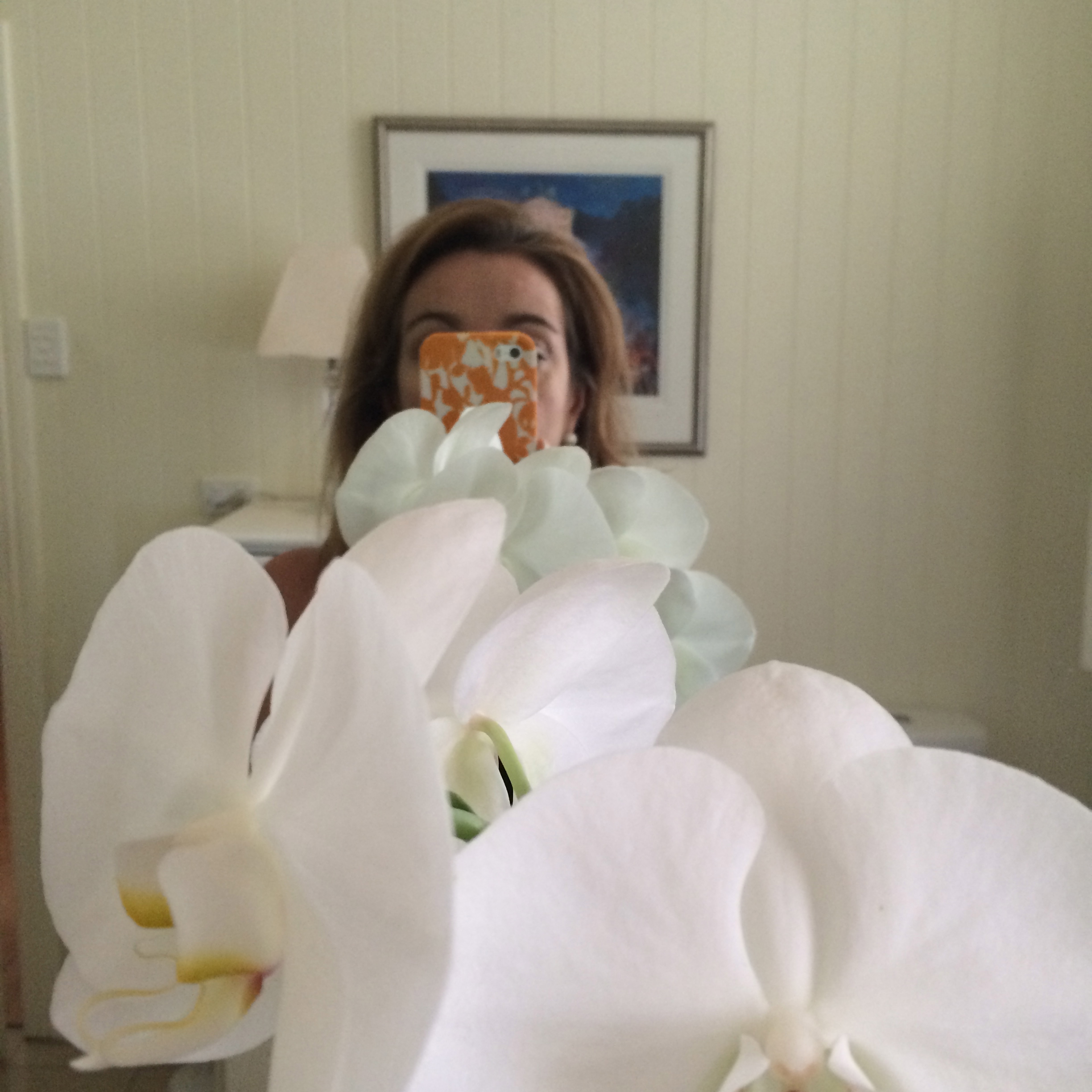
I knew it was just a matter of time before I was tagged in the post a no selfiemake-up selfie to raise awareness for breast cancer FB campaign. And thank you dear friends for nominating me. But as I don’t think anyone will benefit from seeing a close up of me without make up, I thought I would offer some words (and a photo of me pretending to take a selfie).

I am reposting this blog on how to help a friend with cancer .

This guidance comes from two inspirational and brave friends, whose battles with cancer have been made just a little bit easier with the support of family, friends, acquaintances and even strangers.

Karen was diagnosed with breast cancer at the end of 2007. She had a bilateral mastectomy, chemo and radiation treatment. Unfortunately the cancer had spread to her spine and brain, so that meant more surgery, more chemotherapy and dreaded brain radiation treatment. Here is her account of how friends made a difference:      

I could not have made it through the tough times without my mates.  So, don’t hesitate to contact a friend, no matter how much time has passed between you. It doesn’t matter if you don’t know what to say. “This really sucks” is a good start. It’s just a great feeling to know so many people are cheering you on. Lovely old friendships have been validated, and blasts from the past are welcomed. Surprisingly, new friendships have formed as generous strangers have entered my life. Phone calls are hard, as cancer can make you crazy-tired, and the phone still exhausts me. Texts and emails are brilliant, but cards or notes popped into the letterbox are a tonic. I used a lot of those notes as bookmarks and they made me smile or were a source of inspiration.

Pyjamas were welcome presents. I was the best-dressed in the hospital thanks to my mates, and my favourite was the gift of a cosy dressing gown from a dear friend’s husband. Distraction is essential.  Friends would pop in with a favourite novel, a pile of mags or a DVD.  Body lotion and hand creams are brilliant gifts as the treatments are tough on skin. Always tell tales of people you have heard of who are doing well.  Success stories only please.  It is a battle to keep your head in the right space, so hearing about someone dying, knocks you for six although we will smile bravely. Don’t tell your friend that nothing in life is certain and that any of us could wake up in the morning and get hit by a bus. There are no buses in my bedroom. Invite yourself to a friend’s chemo session.  Don’t take ‘no’ for an answer, your friend will need moral support. Chemo goes on for hours so consider doing shifts with other friends. Take some old photo albums for a laugh, your juiciest gossip and talk about how dreadful your children are.  A lovely reminder of the imperfection of all our lives!

My friends co-ordinated a food roster, but what worked the best was having an off-site central drop-off point and my girlfriend would pop in briefly each afternoon with the dinner of the day.  Sometimes I was just too sick to talk and my darling friend had a key and slipped the food into the fridge.  Kids meals were helpful.  I lost my sense of taste, so loved any textured, crunchy salads, although single-serves of soup were helpful for the days when eating was too hard. There does tend to be an oversupply of one-pot meals.  Try chopping up vegetables for a stir-fry, and present with some marinated meat all ready to get popped into a wok at your friend’s house. My neighbour brought over a roast meal every Tuesday and my mouth still waters four years later.  Baking for school lunch boxes, bagged individually to go into the freezer is great. It is also helpful to write a list of ingredients on the container.  Please try and use disposable containers.  I have a whole cupboard of unclaimed Tupperware that makes me lose sleep at night.

Don’t be fooled when we pretend that we are coping and breezing through the treatment process. The uncertainty is terrifying and everyone’s approach is different.  It is a fact, however, that regular exercise improves survival significantly, so instead of sitting around drinking tea, take your friend for a walk. Encourage your friend to go to the Cancer Council’s ‘Look Good, Feel Better’ programme.  Better still, go with her.  You get to see lots of lovely new products and everyone needs to know how to draw on eyebrows! Don’t forget spouses and partners. Believe me, they are struggling.  If you can’t ring them yourself, get your partner to ring.  He may need to persist, but the benefits of a quiet beer with another bloke, or a noisy curry night with the boys, lightens the load they are carrying around in their head. My mum moved in for a while when I was in hospital.  She was devastated and relied heavily on encouraging words from my friends. Mum drew great strength from the knowledge that my mates had my back.

The greatest challenge for me was how to handle the children, aged six, twelve and thirteen at the time. Their fears ranged from ‘can I catch cancer?’ to the obvious concern about the longevity of their mum. I needed help with this one. My prognosis was grim and I certainly couldn’t find a handbook on how to fight for your life and be a mum at the same time. I sourced a family counsellor and attended an excellent programme run by the Mater Breast Care Unit entitled ‘Mindful Parenting in the Context of Breast Cancer’. I made plenty of mistakes, the biggest being to over-parent and try and create perfect children quickly… just in case. Terrible plan, by the way.  My six year old managed well. His quality of life improved significantly, with prolonged play dates, amazing food and brilliant holidays as I desperately attempted to lay down memories.  My teenaged daughters struggled.  They could smell fear from ten paces, as the house became a pressure cooker. The girls are sixteen and eighteen now and their main request is honesty. They need to know when a scan is coming up, and that often explains why I am anxious. They want to know what the doctors say.  They want to know the good news and the bad.  Fortunately they have a good relationship with my oncologist who will temper reality with great optimism, quoting cutting-edge science. I took the girls to chemo once with the hope of de-mystifying the process.  They hated it – way too confronting.   I maintained regular communication with the schools, and the teachers balanced reassurance with vigilance. Several teachers checked with me that my girls would handle parts of upcoming curriculum containing cancer issues.  If any child was withdrawn, or teary, there was always a phone call to check on what was happening at home. More often than not, the issues were unrelated to my illness, but what a relief to know that their welfare was being monitored.

Luck was on my side in some respects.  I had taken out a trauma insurance policy years ago, that I had almost forgotten about.  It paid for daily cleaning and a night-nanny who came to the house from 5 to 7 pm to do dinner, school lunches, homework, and a quick tidy.  She played endless games with my son and taught my girls dance moves in the kitchen. She brought a lot of laughter to the house. Please, please check your insurance status.  We all need trauma insurance.

I used to worry that my kids missed out on a part of their childhood.  Now I know that no one has a perfect run.  My kids have witnessed first-hand the value of great friendships and how you can survive just about anything when you have your mates. They know the value of good health and being happy. Most of the time. And I reckon they will handle life’s curve balls.

Best of all, they are good at saying ‘I love you’. It takes some people a life-time to learn that.”

Karen has ongoing treatment, but she declares she is extremely well and a triumph of modern medicine. Her friends describe her as an inspiration in every way.

Kim is a mother of three boys, who was diagnosed with breast cancer in December 2010. She had three tumours and after wide excision surgery was told the cancer had been discovered early and hadn’t spread.  She had six courses of chemotherapy over four months, which caused tiredness, nausea, loss of taste, muscle pains, hair loss and menopause (“chemo has a bad rap because it is bad!”). This was followed by six weeks of radiotherapy.

Here, Kim shares her account:

“The generosity of family, friends and work colleagues during the treatment was just amazing. I heard from just about everyone I have ever known and I appreciated everyone’s thoughts and wishes. Some people later said they did not contact me because they did not know what to say or how to help. That didn’t worry me at all, but I know that in the future I will always try to contact anyone affected by illness or trauma- even indirectly with a card, email or text.

The food was FABULOUS! My work colleagues were fantastic. They organized a daily meal drop for the week after each chemo and were co-ordinated so that we didn’t have lasagne every night.  One of the beautiful young admin girls arrived one Saturday evening dressed to the nines, late for a party because she spent all afternoon slaving over a stove for us!  Even people I didn’t know, such as the lovely nurses from Steve’s (Kim’s husband’s) work, brought enough food to feed a small nation. Luckily the teenage boys of the house had no problem polishing it off! Yes we were at risk of injury from frozen food falling from the freezer and the rest of the family probably put on weight! Unfortunately they expect the same gastronomic delights now that I am better- bad luck to them!

I also had help in many other ways, which I really appreciated – from picking up kids from school, taking the boys for haircuts and help with sport on Saturdays. This was fantastic as I was often not up to driving and sitting through my three sons’ long list of sporting fixtures.Company for gentle dog walks, tea and chats was lovely (a call or text beforehand was appreciated). I was also thankful that people were aware when I was flagging and kept visits quite short.

One of my friends who went through this for the second time last year added that it was not helpful to hear stories about how someone else had died from cancer or to have to listen to other people’s petty gripes.

However, being there to listen to our petty gripes was appreciated!

Kim is on medication for the next five years, but her last scans were “all clear” and she feels great!

Kim recommends these sites for information:

Breast Cancer Network Australia  – a good place for information and details of other victims’ experiences. There’s also a good site to chat with women going through the same thing.

Cancer Council has counsellors at the end of the phone and offers resources for teens affected by cancer.

CanTeen also has programs for teens with affected family members.

Thank you to the gorgeous Kim and Karen for sharing their personal experiences. I wish you both good health and lots and lots of happiness. You deserve it! And good luck to those who are currently battling disease. You deserve good health too. xxx

For those who have gone to the trouble of reading this far – here’s a photo of me without make-up. It’s a little old and selfies hadn’t been invented then. Good photographers were in short supply too, by the look of the angle on this shot. But I definitely wasn’t wearing make-up.

IMG_7907

See also Social media etiquette for parents.


My Writing Process

Julie Fison and Krista Bell
Hanging out with Krista Bell in Rockie

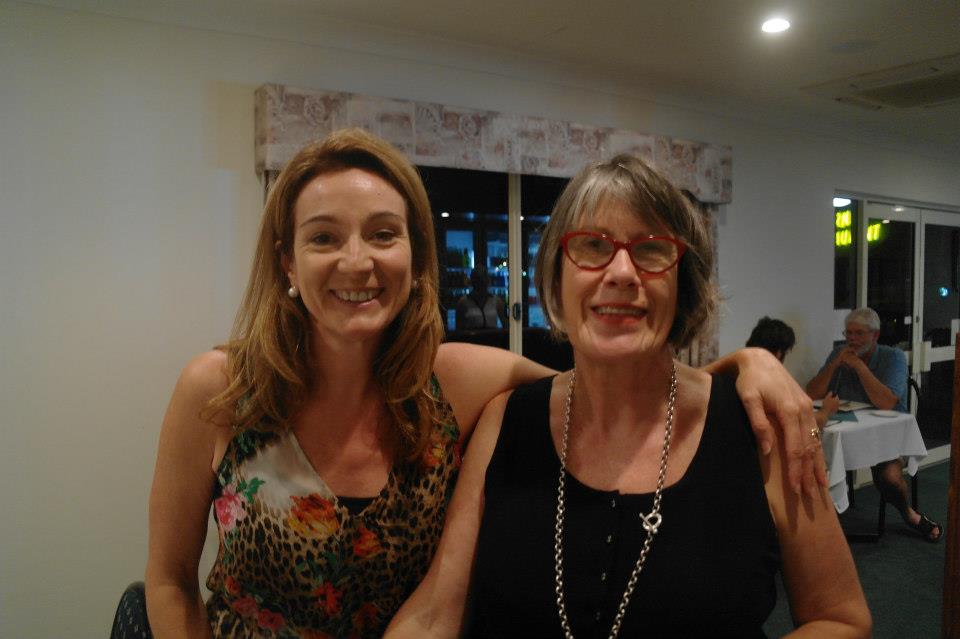
Thank you to the wonderfully talented, and all-round gorgeous, children’s author Krista Bell, for inviting me to be part of My Writing Process Blog Tour. I first met Krista on a visit to Central Queensland. I shared an apartment and many laughs with Krista and another inspirational author, Susanne Gervay.

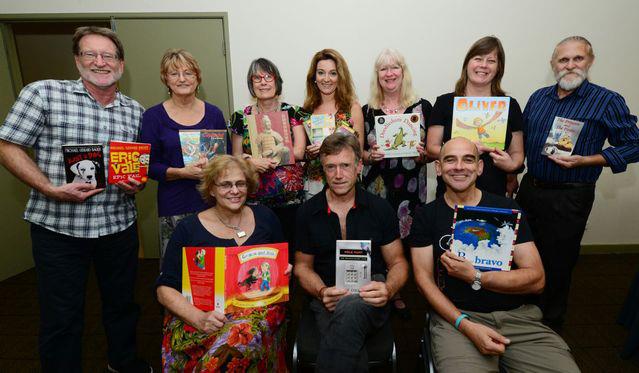
Michael Gerard Bauer, Elaine Ouston, Krista Bell, Julie Fison, Meredith Costain, Judith Rossell, Royce Bond, (front) Susanne Gervay, Paul Collins and Kevin Burgemeestre

We were part of a great gang of illustrators and authors at the Capricorn Literary Festival – a fantastic week of school visits, socializing and snorkeling that I won’t forget in a hurry!

What am I working on?

How to get to Rio front coverI have two books in a new Choose Your Own Ever After series, (Hardie Grant Egmont) that lets the reader decide how the story goes. The fun kicks off in April with How to Get to Rio. In this story, Schoolgirl Kitty McLean is faced with a tough decision over where to spend the holidays. Her best friends have asked her to go camping, while popular-girl, Persephone has invited her to the exclusive beach resort of Paradise Point. She’d like to be with her besties, but she really wants to get to know Persephone. And Paradise Point has an added attraction. A cute guy called Rio Sanchez is going to be holidaying there too!

Counterfeit LoveMeanwhile in Hong Kong … there’s intrigue, deadlines and romance in my new book for young adults – Counterfeit Love (Hardie Grant Egmont), which comes out in July. TV reporter, Lucy Yang, gets a whole lot more than she bargains for when she tries to uncover the origins of an unexpected parcel. But will her hot new friend Byron Lloyd help or hinder her investigation?

Counterfeit Love is my third novel for teens and I had so much fun writing it, that I’m already working on another.

How does my work differ from others of its genre?

Angkor Wat at sunset
Angkor Wat, Cambodia at sunset

Choose Your Own Ever After  is a very positive series for girls aged 10+. The reader has several choices to make throughout the story, and with every decision, there’s a consequence. There are no nasty endings in this series, but the message is clear – choice, not chance, determines our future. Opportunities might come our way by chance, but it’s what we choose to do with them, that is important.

The stories in the series were a challenge to write because I had to come up with so many different endings. But it was exciting to see where the characters’ decisions led them. And even though I did a lot of planning before I started writing the stories, I really didn’t know what would happen until the stories unfolded. That’s one thing I love about writing. Characters have the power to surprise – even their creator!

I also enjoy the idea of having two equally appealing choices and finding out where they lead. I’d love to backtrack on my own life and work out where I would have ended up if I had decided to stay at my job, instead of  leaving Australia at the age of 21 looking for adventure!

Why do I write what I do?

Blood Money coverI was a television news reporter for many years, but the idea of writing fiction crept up on me during a family holiday on the Noosa River, in Queensland. My sons teamed up with friends and spent the holidays exploring sandbanks, dodging stingrays, building camps, avoiding snakes and generally having a boys’ own adventure. I had to write about it. The result was a series of adventure stories for young readers called Hazard River (Ford Street Publishing). The books are fast-paced and fun with an environmental twist.

Tall, Dark and DistantNoosa was also the inspiration for the first of my books for young adults – Tall Dark and Distant. The nextLust and Found – is set in Cambodia, another of my favourite destinations, while Hong Kong is the setting for my most recent YA novel, Counterfeit Love. The Chinese city is special to me because I spent five exciting years there, working as a reporter. I like to capture the essence of a place in my stories, so I choose a setting that I know well. I supplement my own experiences with lots of internet research, and chat with friends if I need expert knowledge on a place or a subject area.

How does your writing process work?

Hazard River seriesI always feel like I’m in a rush when I write. Once I have an idea in my head, I just want to get the story down before I lose it. I tend to spend a solid six weeks working on a first draft, furiously bashing away at my keyboard, forgetting to pick up my children from school, neglecting the washing and ignoring questions about dinner. If I ever get stuck for ideas, I take the dog for a walk. A nap is also a great antidote to a writer’s block. But I’ve never been struck by a great idea while I was sitting staring at a blank screen. I need to get away from my desk and let my subconscious take over. My editors are hugely helpful, too. I really admire the way they can see exactly where a plot should be heading when I am convinced it should be going somewhere else entirely. They are always spot on!

Coming up next week on My Writing Process Blog Tour are two fantastic authors.

Sheryl Gwyther is a popular Australian children’s author who writes novels, school plays, chapter books and short stories. See her post here.

Sherryl Caulfield is a wonderfully talented Australian writer. Her debut  novel – Seldom Come By is a beautiful and haunting love story and the first book in the Iceberg Trilogy. See her post here.

Take it away ladies!

Signs, synchronicity and orangutans

Well, this is a coincidence.

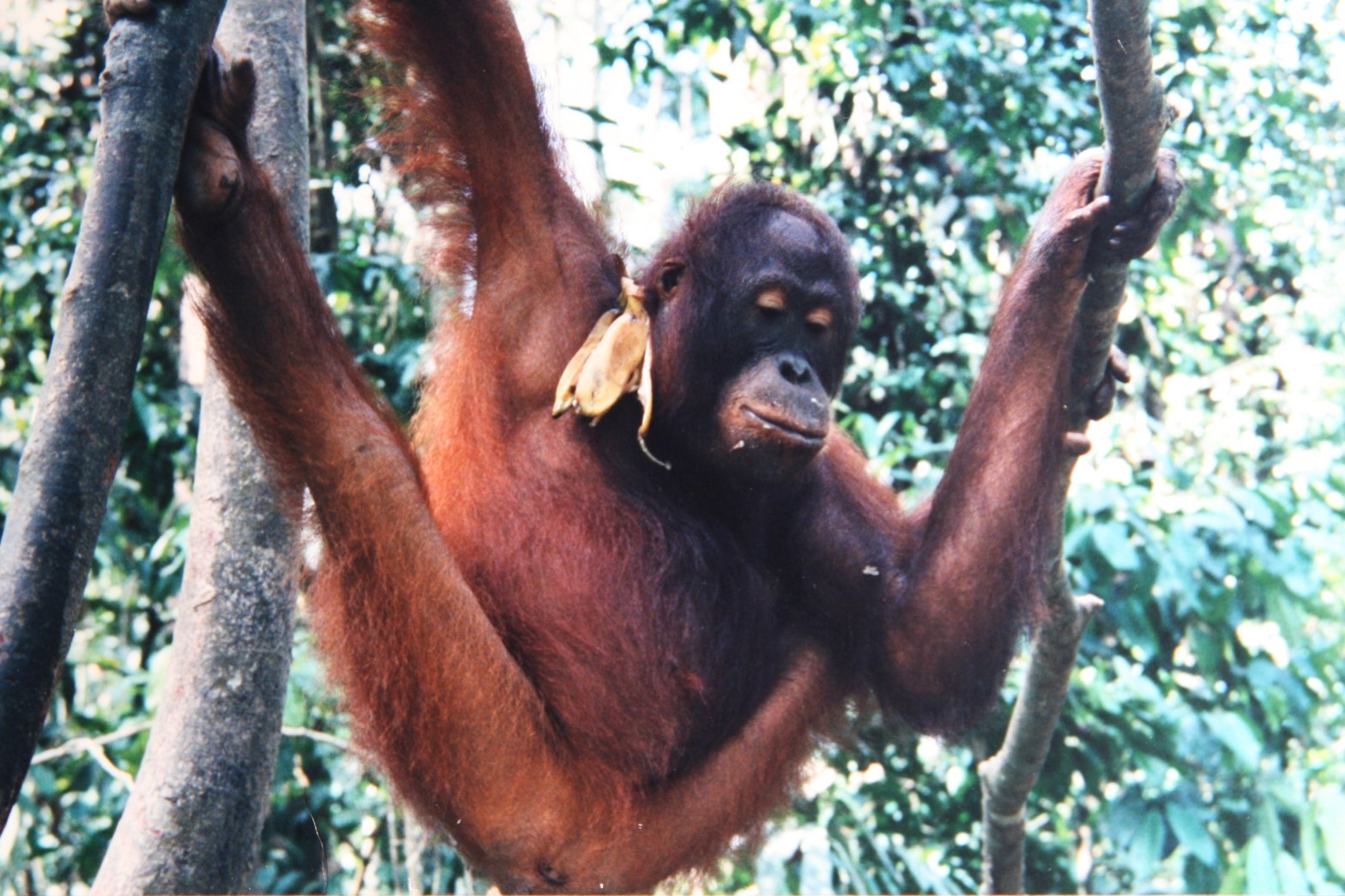
I am working on a new Choose Your Own Ever After story. In The Call of the Wild, Phoebe, the nature-loving main character, has to choose between going to a save-the-orangutan fund raiser or heading off to a party with her best friends.

Then yesterday, as I’m getting the kids ready for school, an interview on the radio catches my attention. Orangutan rescuer and campaigner, Lone Dröscher Nielsen, is in Australia to promote her rehabilitation work in Borneo. Lone quit her job as a flight attendant in 1999 and moved to Borneo to help save wild orangutans from extinction. Since then she has established the world’s biggest reserve for these incredible animals.

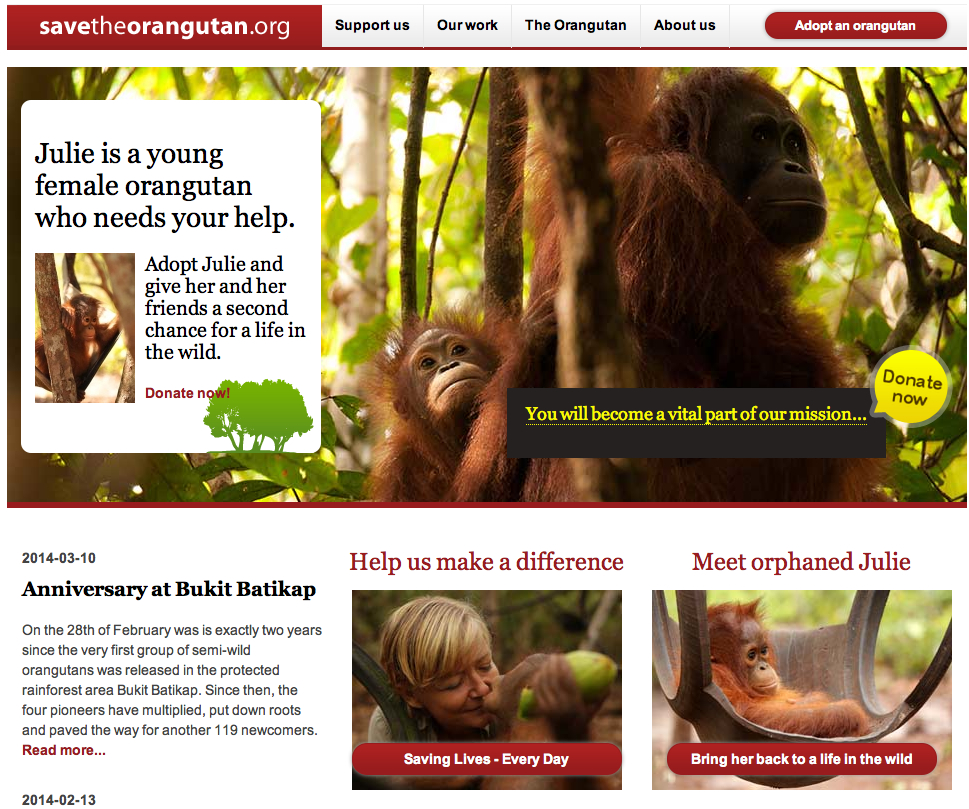
Save the orangutan - JulieWhen I check out the Save the Orangutan  website, I discover that the foundation is looking for supporters to adopt a baby orangutan called ‘Julie’. Julie. It’s a surprise, not just because we share a first name, but also because people don’t call their babies Julie anymore. (It sure was big in the 60s, but now – not so much.)

Is it just a coincidence, a sign, or is it synchronicity? I don’t know, but I am sure that I have to do something. And here’s why:

Thousands of orangutans are lost each year as their rainforest habitat is destroyed by logging, forest fires, plantations and mining. This could lead to the extinction of one of the world’s four species of great apes – one of our most intelligent and peaceful relatives. (Save the Orangutan website)

Seeing orangutans in the wild was definitely my most amazing wildlifeSepilok, Sabah encounter. I was in Sabah (on the Malaysian side of Borneo) in 1992. At the time, visitors could wander into the jungle at the Sepilok Sanctuary. Orangutans would appear out of nowhere when rangers arrived with a bucket of fruit. The young ones were incredibly cute, but there were also cheeky teenagers. One came down from a tree, unzipped my friend’s money belt and started eating her cash!

I hope I can get back to Borneo some time soon to see them again.

If you want to know more about orangutans or how to help them survive, you can find out more here. 


6 key ingredients for Descriptive Writing

My son is studying descriptive writing at high school. For homework he was asked to write a paragraph on the view from his window. It’s a tough call when there’s not much going on out there.   But that, of course,  is the whole point of the exercise – to note what generally goes unnoticed, and to convey a complete and original picture  of the view from the window, using all of the senses. It’s amazing what you can see, hear, smell, touch and feel when you put your mind to it.

IMG_0764As a writer I do that all the time. But it’s a skill I’ve had to develop, too.  I started my career as a television news reporter. Being a news reporter means turning a lot of complicated information into a short package so the audience can easily understand what is going on.

In television, the pictures help tell the story. The words back up the television footage. Writing fiction works the other way round – you need to use words to describe the images in your head. Good description helps to draw in the reader and helps to make the story more exciting.

These are some of the things I find important:

1. Always start by brainstorming ideas

Dump down every word that comes to mind related to the scene you are describing. If you put down a noun (eg. river) put down as many adjectives as you can think of to go with that noun. (eg. gentle, raging, clear – depending on the type of river). From there you could develop metaphors and similes to go with the nouns.

2. Use all of your senses in the description

Mostly, we rely on our sight. But other senses help to build up a complete picture of what is going on. Draw in your readers by telling them what you can see, hear, smell, taste, touch and how it makes you feel. The reader should know something about you as well as the scene by your choice of words. Blood Money cover

Here’s an example from  Blood Money, one of the adventure stories in my series for young readers – Hazard River:

I’m thinking of money, not dangerous animals. That’s why I put my foot in the long grass without thinking at all. There’s a rustle just in front of my foot. I hear it before I see it. I scramble backwards. A long black body slithers out of the grass. It’s right in front of me. A tongue flickers. Then there’s a flash of red. ‘SNAKE!’ I scream. ‘Red-belly black snake!’(P.24)

3. Make your description as specific as possible.

There are lots of adjectives that sound cool to use, but they don’t always add  meaning to your story. Your house might be in “chaos”, but does that mean there are a few clothes scattered on your bedroom floor or does it mean aliens have invaded and set up camp in your kitchen? Make sure you don’t leave the reader to guess what you might mean. How about a man with a “creepy face”? What is it about his face that scares you? SNAKE SURPRISE! FRONT COVER

Here’s an example from my Hazard River series – Snake Surprise:

An ugly thing with a human body, ears like a rabbit and a face so grotesque it would make gladiators wet their pants, leaps off the roof of the houseboat. (P.19)

4. Use details that are relevant to the story.

If you are writing a book, rather than  just a paragraph for class, you need to choose which scenes to describe in detail and which details are needed. Rich detail adds to a story but irrelevant detail slows down the pacing. Make sure all the relevant details come out early in the story. Don’t surprise the reader in the climax by revealing your main character has supersonic vision. The reader will feel cheated. And be consistent. If your character has a broken leg at the beginning of the story, he won’t be carrying everyone to safety at the end of the story. shark-frenzy-front-cover.jpg

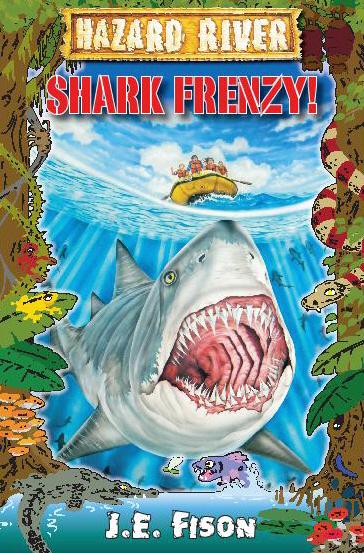
Here’s a snippet from another story in the Hazard River series – Shark Frenzy:

I made a deal with sharks. I don’t swim near them and they don’t play cricket. It may be a little unfair. I can swim, whereas they haven’t got a hope of hitting a six. (P.1)

4. Use description as part of the story.

Good detail advances the story. It doesn’t slow it down.

In this scene from the Hazard River story Tiger Terror, the description is part of the story.

Something wet hits me in the face. Cold, slimy fingers grab at my neck. I can feel them, even through the balaclava. Sharp talons scratch at my cheeks. I fight to get free. But I get more tangled. I gasp for breath. I’m going to be choked to death. (P. 51)

5. Detail should be original but resonate with the reader

No one wants to read a cliche (especially not your English teacher or publisher), so descriptions need to be original. Detail should offer a fresh view on something well known. When it comes to describing something unusual, metaphors and similes are a good way to compare something unknown to the reader with something they do know.

In another story from the bat attack coverHazard River series, Bat Attack, this is a  description of a ghost bat (which most readers wouldn’t be familiar with). I compare it to a character from Star Wars.

It has long ears and what looks like a piece of salad on the end of its nose. I’m being attacked by Master Yoda with wings! I’m in the middle of a Star Wars battle zone. (p. 40) I felt confident my readers would know Master Yoda, but it’s essential to avoid using similes and metaphors that add confusion  not clarification.

Here’s an example: Jodie was as lazy as my Aunty Hilly.  If the reader doesn’t know Aunty Hilly, then the simile doesn’t add anything to our understanding of Jodie.

6. Use detail to reveal how the character feels This is the one that often gets forgotten. Descriptive writing should tell us something about the character so we get to know them better and have a chance to identify with them.

In Shark Frenzy, Jack is forced to go into the water, where he thinks there might be sharks.

Panic rises inside me, like a battalion of hairy caterpillars, marching through my chest. (p. 25) Hopefully from this, the reader knows Jack is terrified of sharks. The information is revealed rather than directly stated. This is what some people call showing – not – telling.

Good luck with adding detail to your next story.

I leave you with this quote from best selling author, Stephen King:

“We’ve all heard someone say, ‘Man, it was so great (or so horrible/strange/funny) … I just can’t describe it!’ If you want to be a successful writer, you must be able to describe it, and in a way that will cause your reader to prickle with recognition.”

BUY The Hazard River series


Driving NZ’s Southern Scenic Route

Lake Wakatipu
Lake Wakatipu

A summer holiday on New Zealand’s Southern Scenic Route means stunning mountain scenery, rugged coastlines, great food, wildlife encounters and plenty of chances to get the adrenaline going. Pack a jumper (and a beanie and gloves) just in case summer turns out to be on the wintry side and enjoy!

We spent just over a week between Queenstown and Dunedin. Here are the highlights. 

Queenstown – 3 nights

Queenstown is the gateway to New Zealand’s ski fields. It’s also the adrenaline capital, and that means teenage heaven.

We kick things off with an afternoon of luging at the top of the Queenstown gondola. It’s a lot of fun, but even if you don’t see the point of hurtling down a concrete path on a sled, the view over Lake Wakatipu and across to the Remarkables is worth the visit.

Mountain biking is another big hit with my sons. Bikes and gear can be rented in town. The trails also run from the top of the gondola and are steep – very steep. Not for novices.

Rafting on the Shotover

Probably the highlight of our visit is whitewater rafting on the Shotover. The thrills start with the van ride to the river – a hair-raising descent along a mountain-goat track into Skipper’s Canyon. Once at the bottom of the canyon we are assigned rafts and guides and equipped with paddles. For the next hour or so I have my heart in my mouth as we are propelled down the rapids, dodging rocks. I try hard to follow the paddling instructions from our guide, but all I want to do is curl up in the bottom of the boat and stay out of the way. I swear my heart stops for a second on the final rapid when I turn around to find my son has fallen out of the raft. He bobs to the surface moments later and is fine, but I take a bit longer to recover. This is not for the faint hearted!

There are plenty of options for dining in Queenstown. The lakefront is prime position on a warm evening and the food here all seems pretty good. We also love Bella Cucina for great pizzas and Italian fare. Fergburger is massively popular with backpackers and teens, but the queues are a bit of a killer. The bakery next door – is a better option for a quick bite – great pies and baguettes.

Our accommodation is at Peppers. The apartments are well set up with great views over the lake and are walking distance from the town centre.

Te Anau – 3 nights 

It’s a spectacular drive along Lake Wakatipu and through lush farmland to the town of Te Anau. This is the entry point to the Fiordland – Milford Sound and Dusky Sound. But we’re here for the trout fishing.

I’m not a fishing person at all, but I can recommend a day on the Waiau with a guide and a jet boat. (We used Fishjet). Our helpful guide is always on hand to change lures, untangle lines and unsnag hooks. He also offers expert commentary on the area and is a dab hand at the BBQ. He prepares a gorgeous lunch of crayfish and venison on a sandbank in the middle of the river. The trout, as it turns out, are a lot smarter than they look. We can see them, we even catch a few, but landing them proves very tricky. There’s extreme excitement when I finally land a mini monster. There are a few quick pics before he goes back into the river and we drag ourselves home.

Fishing on the Waiau River with Fishjet

We stay just out of town at the Blue Mountains Cottages. It’s a stunning setting and we’re impressed by our supply of home-made shortbread and fresh eggs. Our hosts make us feel very welcome as do the dogs! We take a late afternoon walk along a nearby section of the Keppler Track. Part of Lord of the Rings was filmed here. If hobbits were real, they would live here!

We also hire golf clubs and play a very average game of golf on a stunning course. The views are much better the standard of play.

Portobello (Otago Peninsula) – 2 nights 

It’s a two hour trip through farmland from Te Anau to Invercargill. Then we take a very, very long drive along the Southern Scenic Route to Dunedin. The route roughly follows the coastline, but to see the sites, diversions are necessary. We stop off at Waipapa Point – the site of New Zealand’s worst maritime disaster. Here we almost trip over a sea lion lounging in the sand dunes, and get chased by another one. Beware! We make several other stops where we are almost blown off the cliffs by the howling southerly.

It’s early evening by the time we arrive on the Otago Peninsula. This is the home of seal colonies, more sea lions, an albatross colony and several types of penguins. The harbor side of the Peninsula faces Dunedin (not the world’s loveliest city) but the seaside of the Peninsula is wild and spectacular.

Sandfly Beach, Otago

The albatross centre at the end of the Peninsula is worth a visit – even just to take in the view and see the wheeling gulls. We only spot two albatross when we are there. Sadly bird numbers are being hit by long line fishing.

Eating options on the Peninsula are limited, but the Portobello Hotel serves good meals. Our accommodation is not far away in a very comfortable house, that overlooks the harbour. That was rented that through Porterfields Lodge.

For my sons, the highlight of the holiday is Queenstown. They love the adventure activities. My hubbie is also a big fan of the place. But for me, it’s the wild side of the Otago Peninsula – trekking down to Sandfly Beach, where we find a seal colony, a lazy sea lion, a lonely yellow-eyed penguin and two brave surfers. If you love wildlife – you’ll love it too.

Writing a news story

As part of the Queensland State Library’s Summer Reading Club I was asked to put together some tips on writing a news story. Here they are, but you can also check out the SRC here for more tips, stories and competitions.

A news story gives readers the facts of an event. It is different from narrative writing because the most important information is contained in the first sentence. The details and less important information come later in the story. A news story does not rely on sophisticated language, metaphors or similes to tell the story. It must be simple and clear.

Here’s how to write a news story:

  1. Gather all of your information before you start writing the story. You will need to know:
  • What happened
  • Where it happened
  • Who was involved
  • When it happened
  • Why it happened
  • How it happened
  1. A news story starts with a lead. This sentence contains the most newsworthy information in the story and draws the audience in. It answers some of the above questions but not all of them. The news reporter must therefore make a decision about which fact is most important to the audience. Ask yourself what is new, unusual or interesting about the event you are reporting on. Keep the lead clear and simple.
  1. A news story flows from the most important facts to the least important information. This is very different from narrative writing that builds to a climax. The audience should have answers to all of the above questions by the end of the news story.
  1. News reporters interview experts, officials, witnesses and other people to gather information for their stories. These people are quoted in a news story to back up the information and to make the news story more interesting. Quotes must be attributed so the reader knows who is speaking. The attribution goes at the end of the first sentence of the quote. (“I have never seen anyone eat thirty seven eggs for lunch before,” Great State School teacher Julius Stout said. “I’d say we’ve broken a record.”)
  1. Not all sources are reliable. People have all sorts of reasons for hiding or distorting the truth. Sometimes they just have their facts wrong. Use at least two sources to confirm information.
  1. Balance your story by including opinions from both sides of the story. If someone is calling for a vacant block to be turned into a skate park, there are bound to be others who don’t want it. Make sure you include all relevant views.
  1. Read your story aloud to make sure the story flows well. Simple sentence structure is essential and never use a complicated word when a shorter one will do.

If you are interested in finding out more about news reporting check out this site:http://www.thenewsmanual.net/index.htm.

Got a story to tell? Submit your breaking news stories to the SRC online writing competition Read All About It.  I have also  contributed three stories to this summer’s edition of the Summer Reading Club online!

Check it out now.

For a taste of the exciting world of television news, take a look at my new book for young adults: Counterfeit Love.

Counterfeit LoveOut now!

Lucy Yang is loving her first television job in Hong Kong. She works hard and plays hard, and she doesn’t have time for a relationship if she wants to become a TV news anchor by the time she’s twenty-one. Besides, what man could live up to her impossibly high standards?

Then she meets Byron, and her world is turned upside-down. Funny, clever and impossibly gorgeous, Byron might just satisfy all of Lucy’s criteria. Sure, he’s a little cagey about his job, but what businessman in Hong Kong doesn’t want to protect trade secrets?

But as Lucy desperately tries to get to the bottom of a potentially huge news story, Byron keeps popping up in the most unlikely places. Is it just a coincidence? Or is Lucy’s perfect man not so perfect after all?

Counterfeit Love is in bookshops now. TAKE A PEEK.

‘Lucy is strong, independent and determined but also sweet and very likeable. Byron is swoon worthy, hilarious, sexy with a hint of mystery. Together they make one of my favorite smitten romance couples. Also diversity … Its refreshing to read a casts of Asian characters as main characters. Love smitten romance books as they always leave me with a big smile when I am done.’ See full review by RowReads.

BUY it here.