Congratulations to all of the Queensland authors who had books in the latest Books From Our Backyard catalogue. The guide, put together by the Queensland Writers Centre, is a reminder that our sunny state is not just about fab weather and beautiful beaches, we’ve also got some amazing authors. The catalogue lists the books published in Queensland in 2014 and includes a whopping 280 titles from every type of genre. Apparently that’s a record and a fitting way to mark the QWC’s 25th birthday.
QWC’s Books From Our Backyard 2014 is jam-packed with great reads by Queensland authors.
In launching the catalogue, illustrator extraordinaire, Narelle Oliver, noted that while Queensland writers and illustrators might be a long way from Australia’s publishing centres of Melbourne and Sydney, we have a unique voice to share with the world. And that’s definitely something to celebrate!
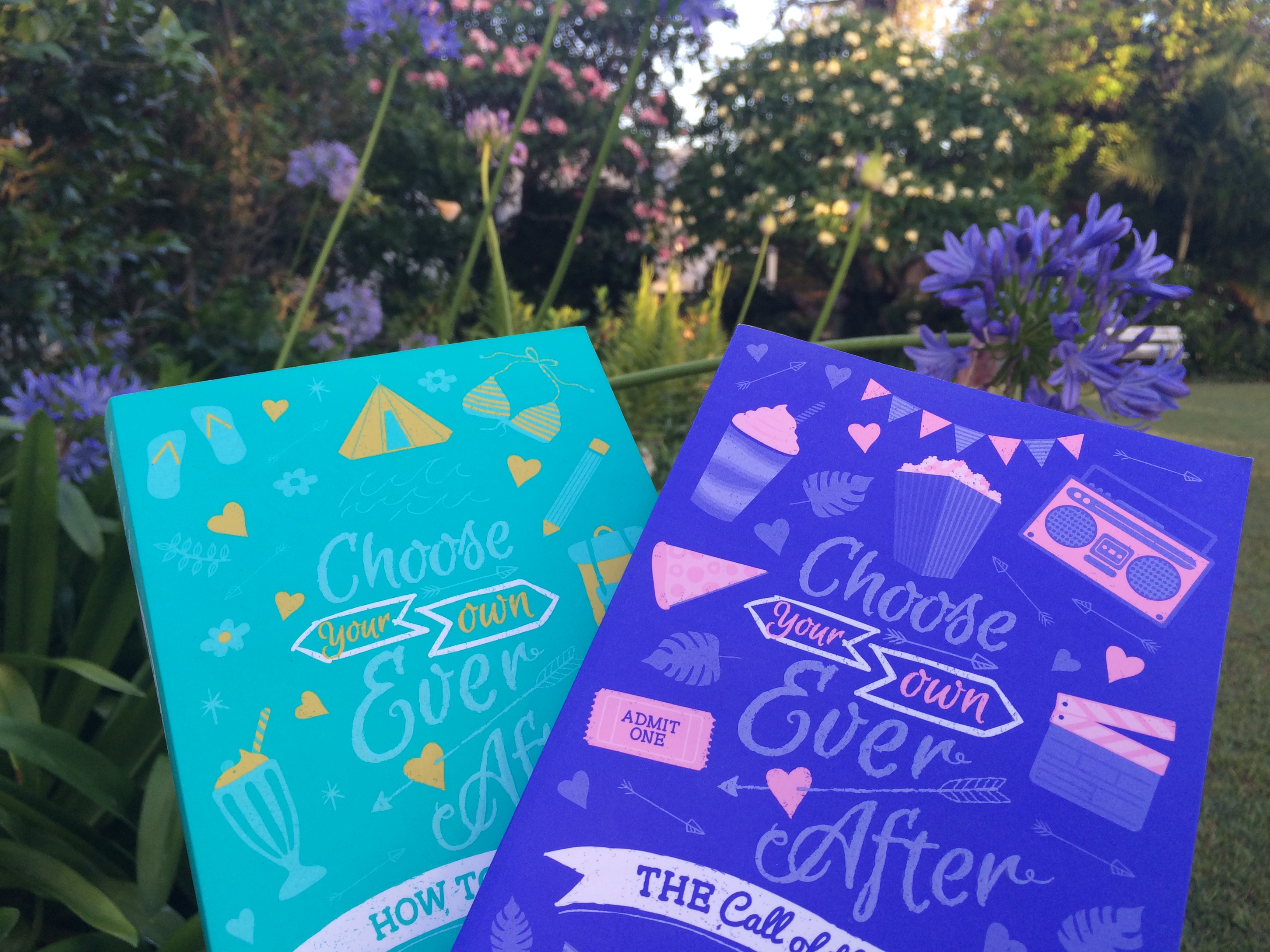
‘How to get to Rio’ sitting pretty beside Sally Piper’s ‘Grace’s Table’ and Matthew Condon’s ‘Jacks and Jokers’.
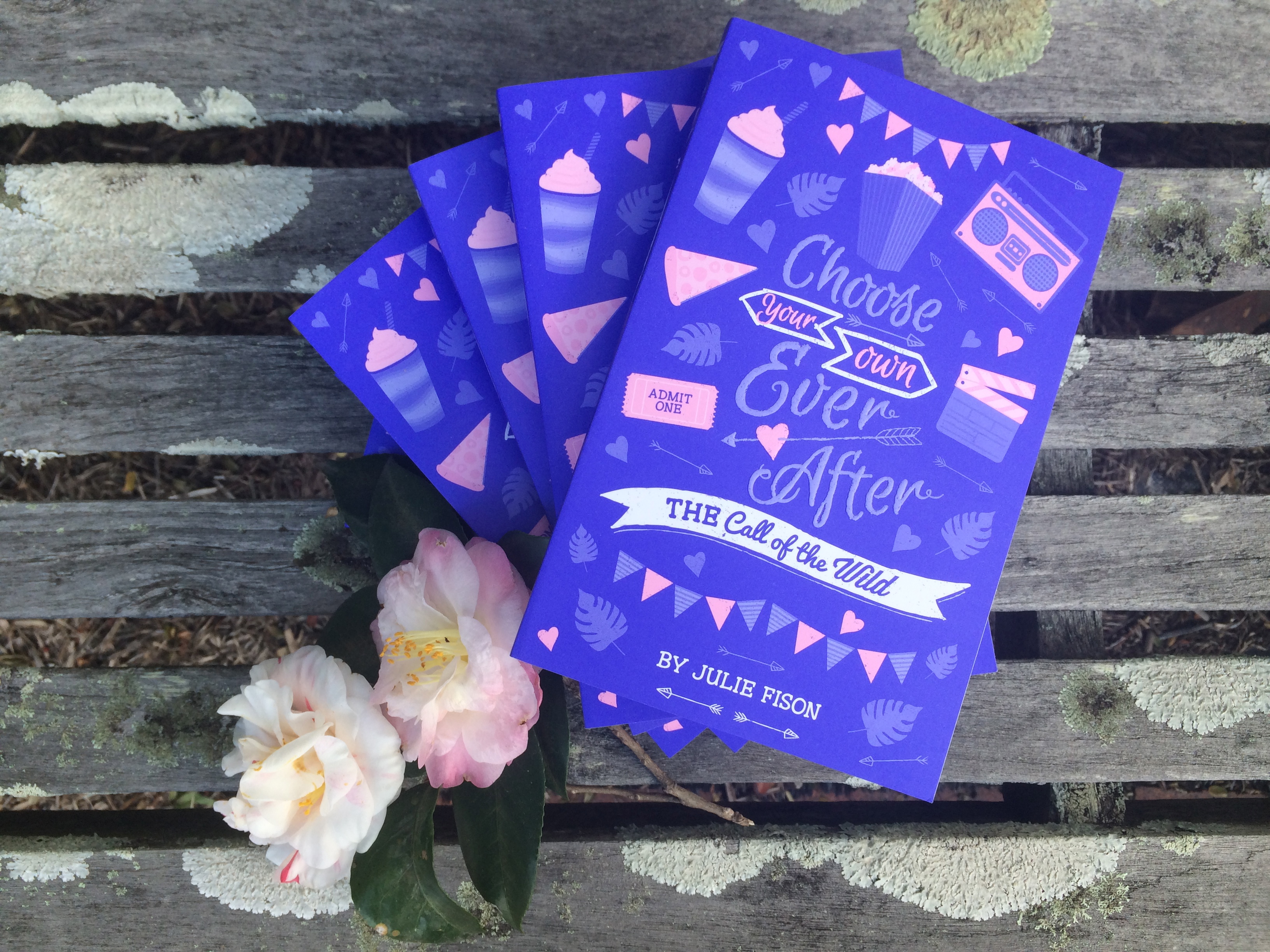
I had a busy year last year and had three books in the catalogue – Counterfeit Love, the tale of a young television reporter trying to make a name for herself in Hong Kong, How to get to Rio and The Call of the Wild – both part of the Choose Your Own Ever After series that lets the reader decide how the story goes. It was great to see some familiar faces at the launch and I was very excited to see my books sitting alongside some impressive Queensland authors, including Matthew Condon, Sally Piper, Kylie Kaden and my old uni buddy, Sherryl Caulfield.
Thumbing through the catalogue provides a glimpse of the diversity of stories that come from across the state – from Cape York to Darling Downs, Coolangatta to the Gulf Country, Kevin Gillespie, QWC Chair.
If you’re looking for a great driving holidays with kids, here’s one of the best – a trip we did a few years ago from Alice Springs to Uluru via the Mereenie Loop. The unsealed section of the road is currently being upgraded.
Nothing takes me back to my childhood like a driving holiday. The pre-dawn start, the ubiquitous eucalypts flashing by the window, a deck of cards and a colouring book the only weapons to battle boredom – any destination was paradise after an eternity trapped in the car! And even though my parents really tested me on a trip from Melbourne to Townsville, I still rate driving holidays as the ultimate family adventure. And when it comes to the ideal destination, Australia’s red centre is right up there.
I admire friends who’ve packed the kids and gear into the back of their 4WDs and bashed across more than 3000km of desert to get to Uluru. But if, like me, you’re a bit too soft for that, there is another way to experience the outback in all its heart-stopping majesty and that’s by taking a short cut – flying into Alice Springs, renting a 4WD and taking the back road to Uluru, via the Mereenie Loop Road. The drive is rated one of the best in Australia. The trip can be done in just over a week and is best tackled in the winter months with another family. Our children were nine and eleven when we did the trip. Here’s how we did it.
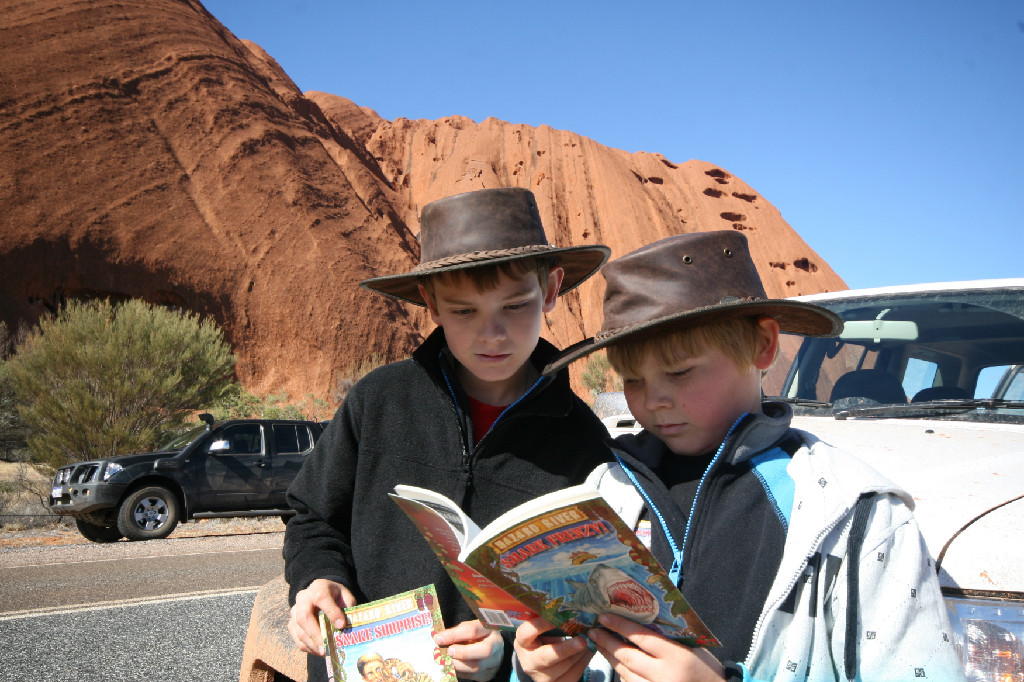
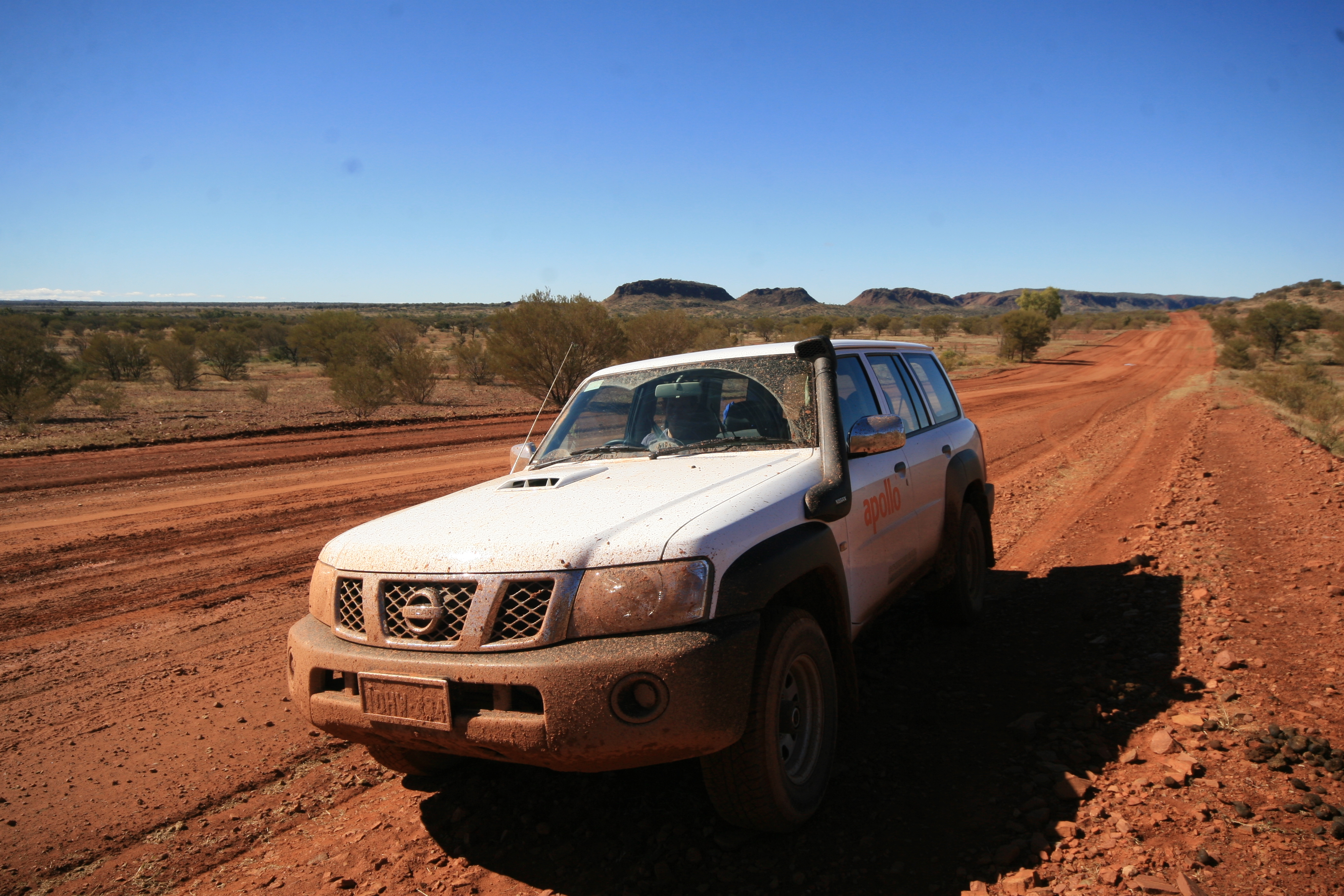
Dust-covered 4WD at Kings Creek Station
Day 1: Alice Springs to Glen Helen – We arrive at Alice Springs around lunch time, pick up our 4WD and head straight for the supermarket to stock up on lunch supplies and snacks, (bring an esky – you won’t find too many cafes out this way) then head west out of Alice into the West MacDonnell Ranges. Our stop for the night is the Glen Helen Lodge – overlooking a spectacular gorge. The motel rooms are modest but the meals are good and so is the location. Here, you can buy a Mereenie Loop permit, needed to cross the Aboriginal land on the next leg of the journey.
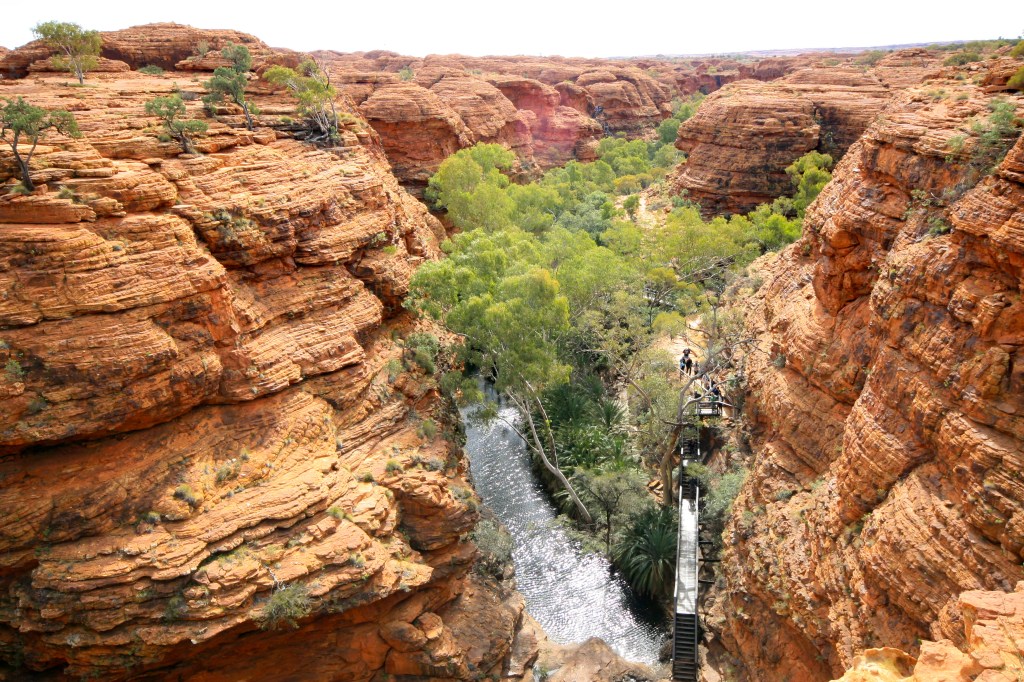
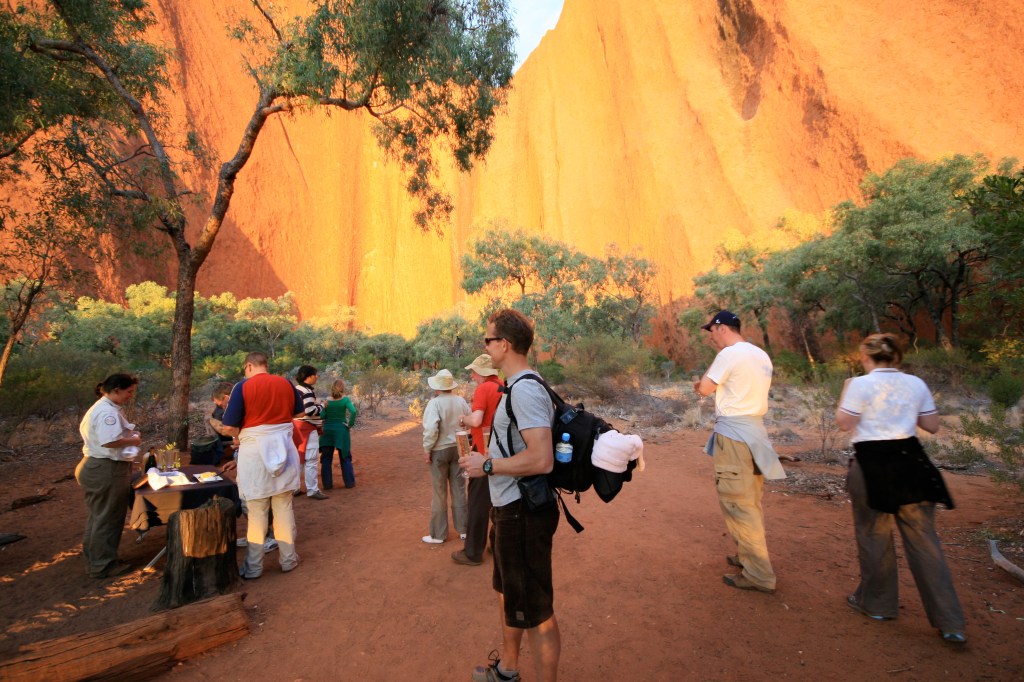
Sunset over Kata TjutaUluru, Kata Juta, Kings Canyon. Images: Julie Fison
Day 2: Glen Helen to Kings Creek Station – We set off with a thick mist hanging over the MacDonnell Ranges, but by the time we hit the dirt road, the mist has burned off, and it’s a classic outback scene – a cobalt blue sky, desert oaks and paddy melon vines covering the red earth. We travel 155 km along the Mereenie Road, past giant meteorite craters, camels, wedge-tailed eagles and the rusting remains of cars that weren’t built for the outback.
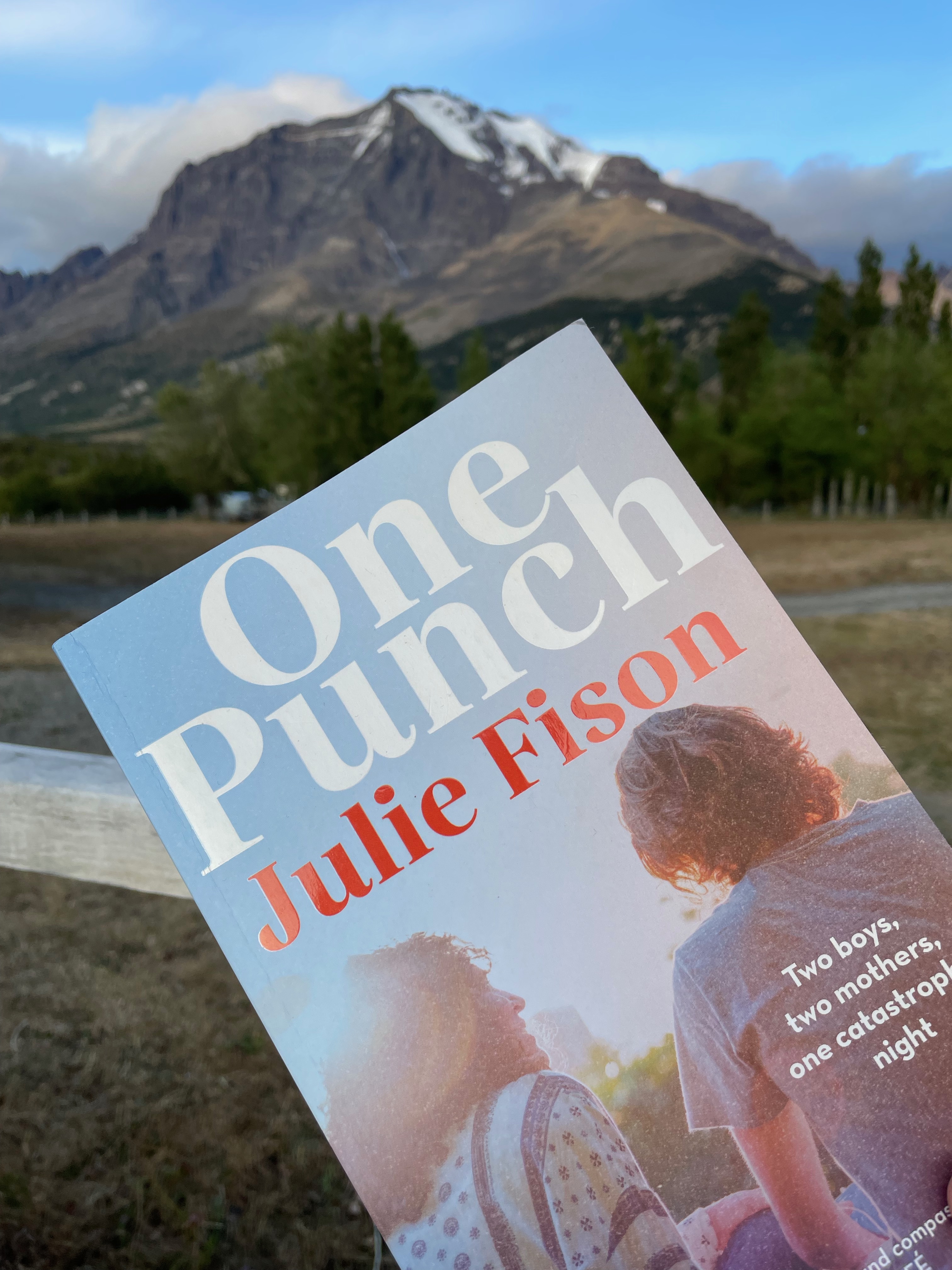
Julie Fison catapults readers into the murky and contested waters of love, morality and justice from the first page of One Punch and holds them, transfixed, right till the end. It’s a story that exposes the consequences of unconditional love; the cost and burden this delivers parents, their children and anyone caught in its more nefarious orbit. One Punch is a raw, urgent and chilling portrait of family loyalty and the frightening repercussions of being blind to the faults in those we love. Read this book and your conviction about what is right and wrong will be changed forever.
Sally Piper, Bone Memories
The unsealed road has recently been graded, sparing us too much discomfort but the recent rain means the car is covered in red mud by the time we reach Kings Canyon (very authentic). We spend the next two nights at a working camel and cattle station – Kings Creek Station, staying in permanent tents, which are small but comfortable, and thankfully equipped with oil heaters. (It gets very cold in the middle of winter!) The station is well set up for visitors. Our kids make the most of camp life, enjoying the communal fire and the camel rides, but don’t like the idea of the camel burgers from the kiosk.
Mereenie Loop
The station is a good base for exploring Kings Canyon, a 270-metre-deep ravine in the George Gill Range. The best views of the Canyon are from the Rim Walk. The four-hour circuit starts with a steep incline, then follows the rim for six km through beehive domes and eventually ends up back at the car park. A detour to the Garden of Eden, with its permanent water holes and giant cycads is definitely worth the effort.
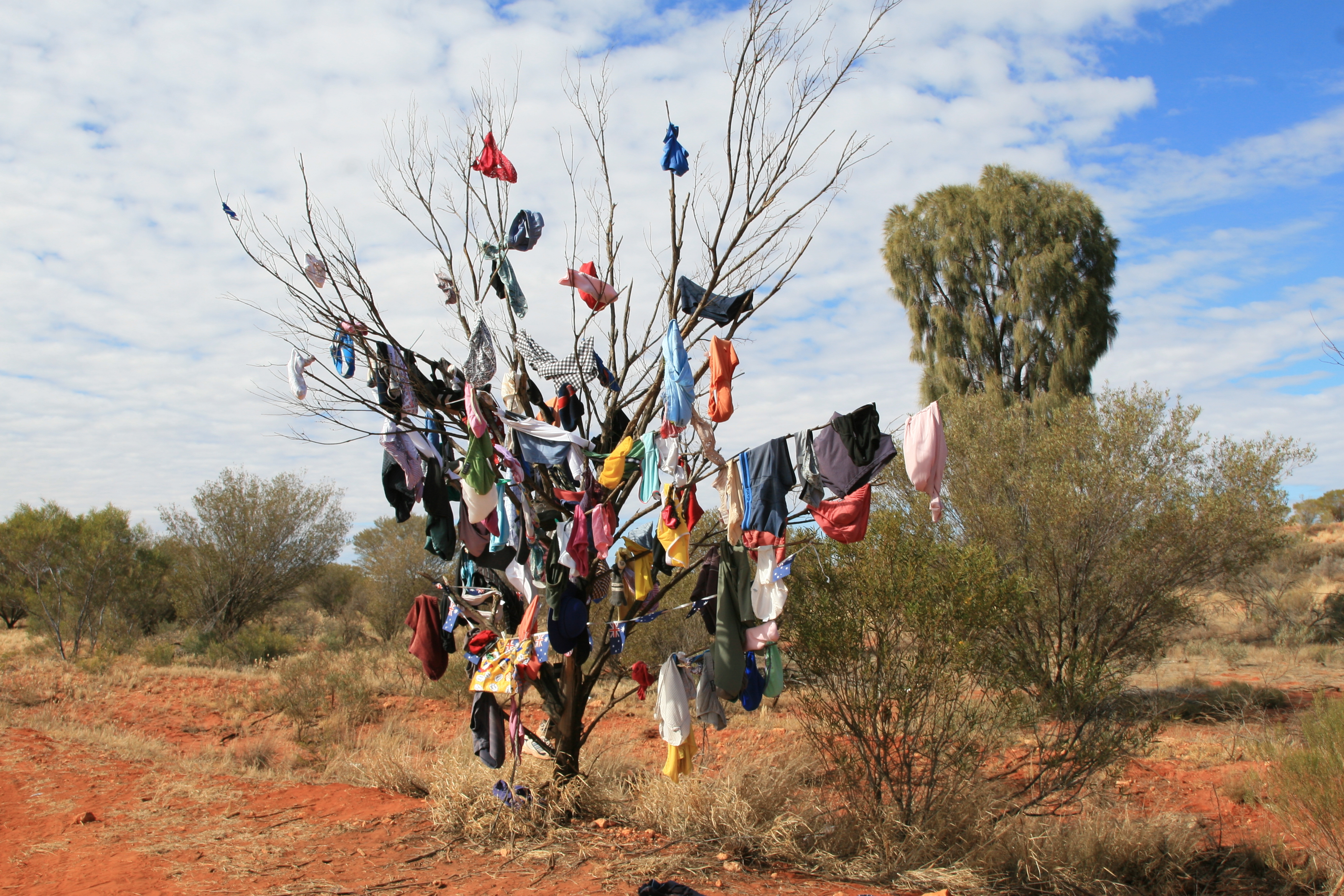
Day 4: Kings Creek Station to Uluru – From Kings Creek Station it’s another 260 km to the Uluru-Kata Tjuta National Park. The road is sealed and less dramatic than the Mereenie Loop, but there are still several points of interest – a dead tree decorated with underwear, as well as the Curtin Springs Roadhouse, which boasts a very charismatic emu, but don’t bother asking for a cappuccino. Then comes Uluru itself – an incredible sight, especially if you’ve driven more than 400 km to see it.
We have no trouble filling in three days at the National Park: exploring the wave-shaped caves at the base of Uluru, traversing the Valley of the Winds at nearby Kata Tjuta and trying to snap the ultimate sunrise over the Rock photo. The Cultural Centre is also worth a visit for information on the local area and the cultural significance of Uluru.
On the road to Uluru
Day 7: Uluru to Alice Springs – We head back to Alice Springs via the Stuart Highway. It’s a long straight road that cuts right through the centre of Australia. The trucks that lumber down the middle of it can be quite scary. But there are two things that make up for that – the sunset and a pub at Stuarts Wells, (150 km short of Alice Springs) where a dingo named Dinky has a nightly entertainment gig. The dingo plays the piano and howls – hardly Mozart, but it’s worth seeing. (Sorry! Dinky has retired)
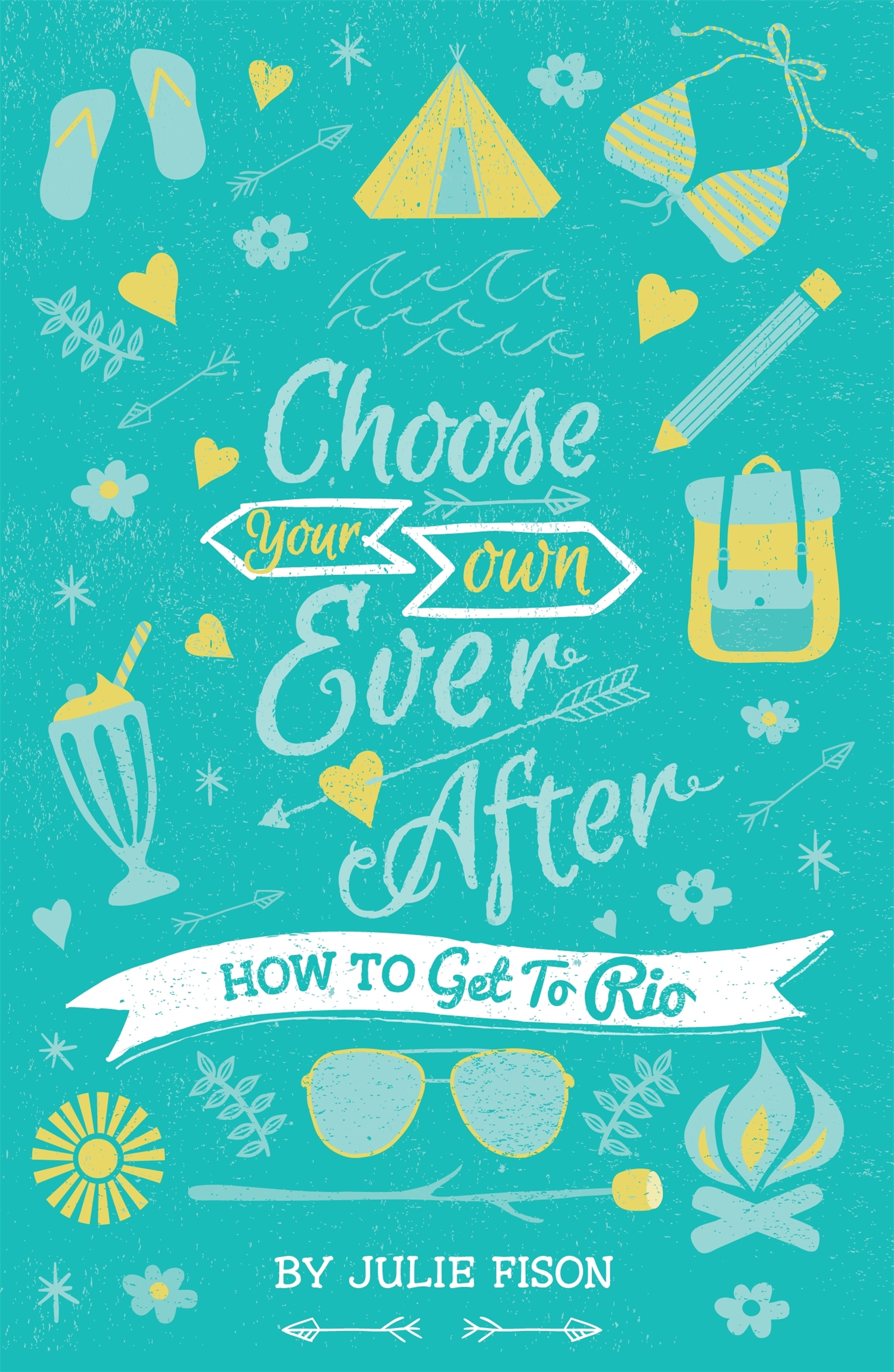
Tween girls will simply love this choose your own adventure style new series. Dealing with real world issues, How to Get to Rio gives the reader a delicious amount of power over the story they read – what will your Ever After be?
Day 8: Standley Chasm – Our friends spend the last morning exploring the art galleries of Alice Springs, but we backtrack into the West MacDonnell Ranges and visit Standley Chasm. It’s just one of a chain of chasms and gorges that make up the Ranges, and it would be easy to spend a week or more exploring them all. We’ve only got a few hours to see the chasm, and follow a cycad-lined creek that eventually spills through a towering rock wall – a hidden desert oasis. Then it’s time to return the 4WD and board our flight for Brisbane – and prepare for our next adventure.
Holidays are normally fun – right? But when Jack Wilde, his brother Ben and their friends Lachlan and Mimi visit Hazard River nothing is normal. The gang comes up agaist rogue fishermen, smugglers and dodgy developers as they explore the River. How will they survive the summer?
I’m excited to see that the judges love the front covers of How to get to Rio, The Call of the Wild (my two books in the series), A Hot, Cold Summer (by Nova Weetman), Break Up or Make Up (by Nova Weetman) and Play the Game (by Kate Welshman), as much as I do.
Steph at Studio Spartels is an expert in creating covers for books that girls can’t keep their hands off. And her designs are just as much fun as the stories inside.
Studio Spartels was also responsible for the delicious covers for Smitten, another fab HGE series that I worked on. Love your work!
I love an excuse to spend a day on the Gold Coast. This week it wasn’t the beautiful beaches and funky restaurants that got me there, it was an invitation to get creative with a bunch of aspiring young writers.
The Authors in Schools program is part of the annual Gold Coast Writers Festival and once again it was a pleasure to join forces with other children’s authors – Candice Lemon-Scott, Dimity Powell and Chris Collin, to share ideas and stories with some of the GC’s brightest sparks.
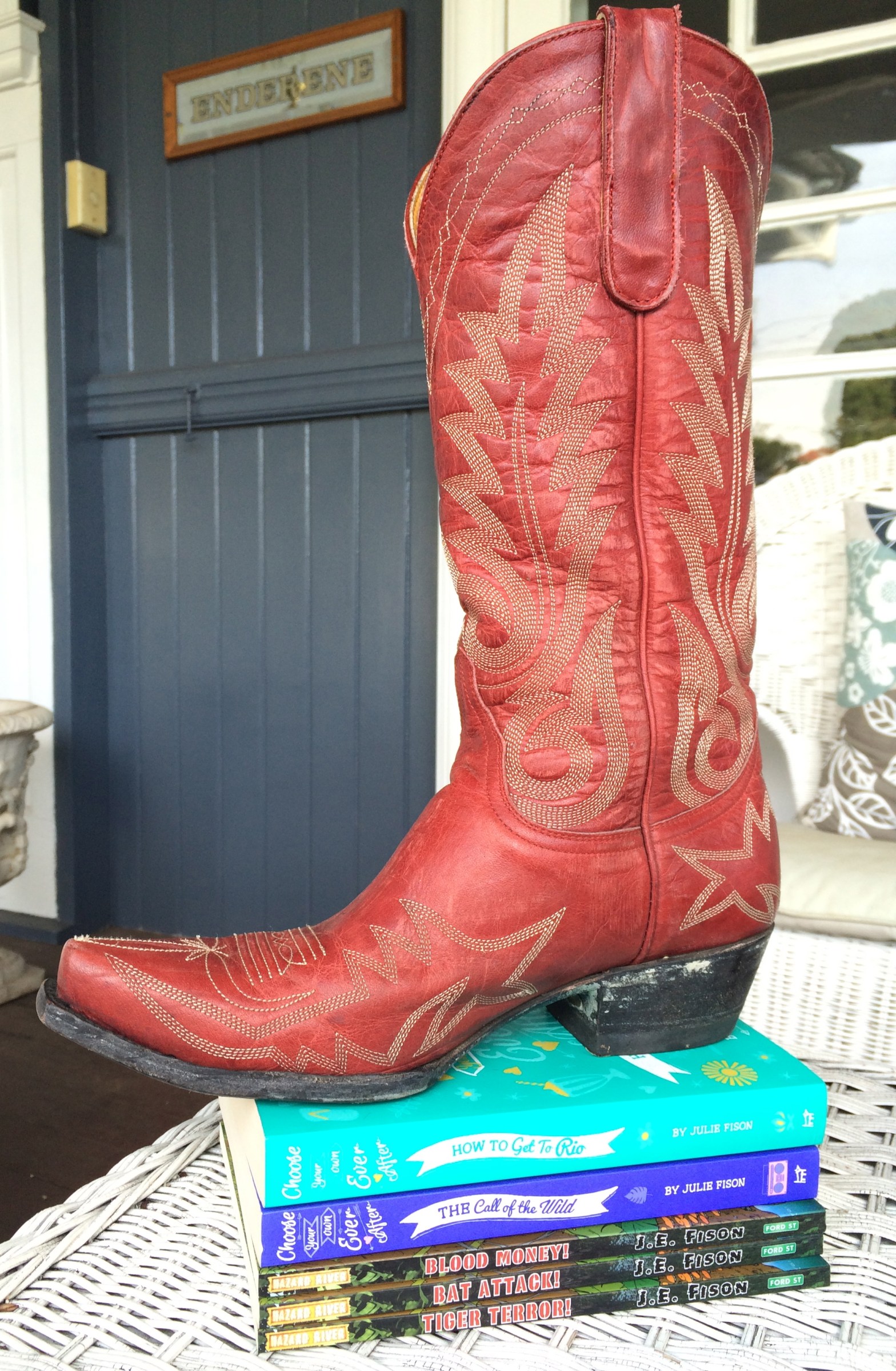
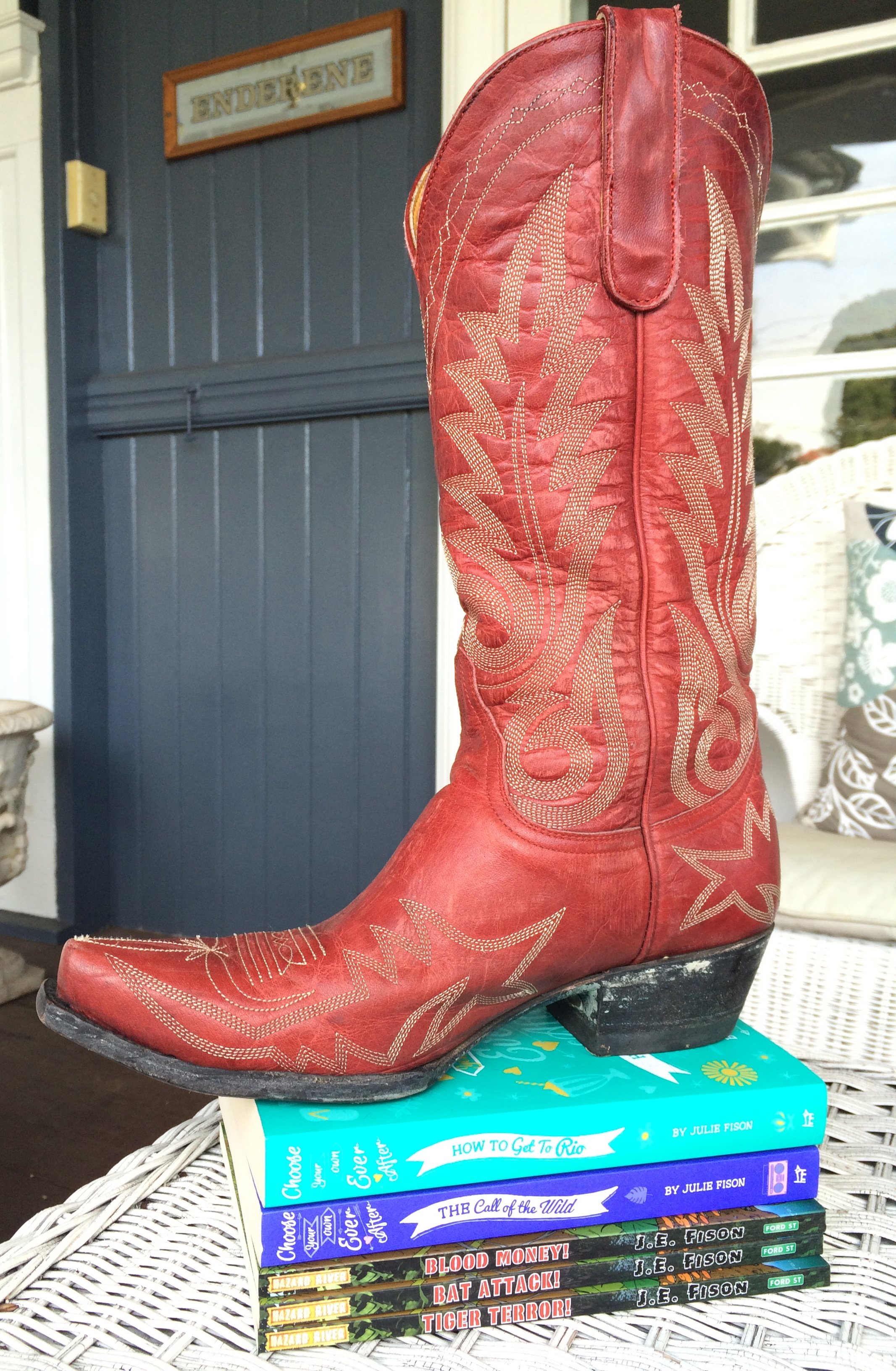
CREATIVITY STARTER: Come up with 20 uses for a cowboy boot.
It’s always exciting to be working with kids who adore writing. Their energy is infectious! I loved their brilliant story ideas as well as the many, many uses they invented for my cowboy boots. (A little creativity starter that’s useful for getting everyone thinking while we’re waiting for the stragglers to arrive!)
And just in case I got carried away with stories of close calls with orangutans and near misses with lions to get to the point, I thought I’d share my top tips for young writers.
Keep a journal for snippets of conversation, story ideas,newspaper clippings, bus tickets – anything that might be useful in a story.
Brainstorm your ideas. Get everything out of your head and onto paper so you can use it later. You don’t have to use it all, but get it all out, no matter how crazy your ideas seem at first.
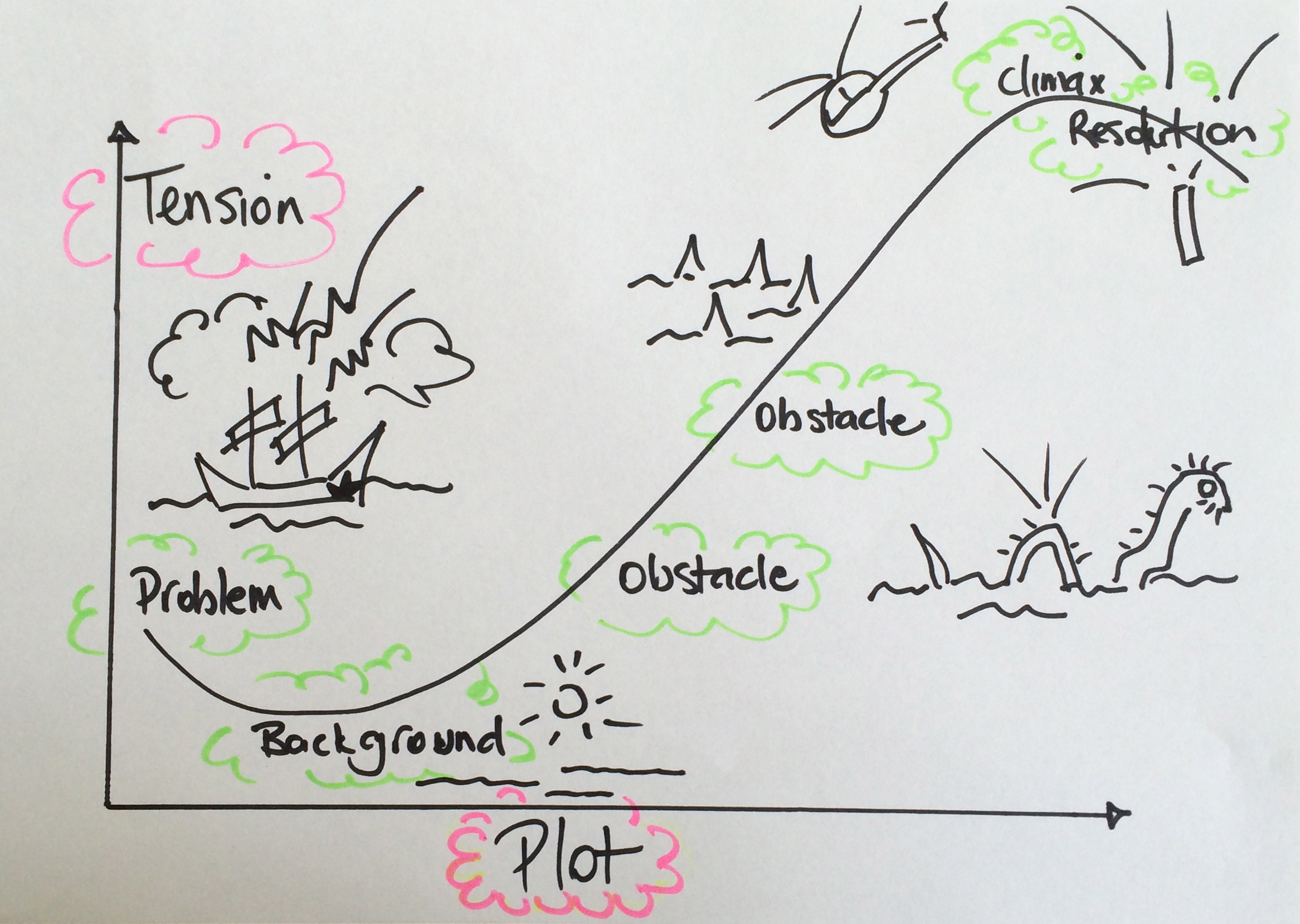
Map out a plan for your story – starting with a problem and adding obstacles and building to a climax and a final resolution.
Map out your ideas with a story arc.
Get to know your characters. Give them strengths and weaknesses that you can use in your story. Flesh out your characters so they feel real to the reader. Your reader doesn’t need to know everything about your characters, but you do. You can interview them to get their full story.
Get your reader hooked with an exciting start to your story. But remember it has to build to a climax, so don’t throw everything at them in the first paragraph.
Fill in some of the background to the story as you go along, rather than burdening the reader in the first paragraph.
Use detail to engage your reader by using all of your senses when you write. What do your characters see, hear, smell, touch, taste and how do they feel about what is going on. But don’t name the feelings: He was sad. Instead, show the reader what’s happening: A tear ran down his cheek. You can find more on descriptive writing here.
Write like events are occurring in slow motion when you get to the exciting parts. Don’t rush the best bits of your story. Explore them with all of your senses.
Use dialogue to reveal your characters’ personality, background and emotions. What your character says and how they say it should tell the reader something about your character.
Edit your story. Read over the story, asking yourself if you have answered the questions – how, when, where, why, who?
Remove anything that doesn’t add to your story or doesn’t quite fit. When in doubt, leave it out. Write to engage not to impress.
Rewrite any parts of your story that need to be improved. You can add dialogue and detail to make it more engaging. You may need to do several rewrites to get it right. I do!
Develop a distinctive writing voice. Just like singers all have a different singing voice, writers have their own voice. Develop yours by getting inside your character’s head and having the confidence to tell your story, your way.
My first book in the Choose Your Own Ever After series – How to Get to Rio is now out in Portuguese! The front cover is looking just as cute as ever, but there’s a new title – Amigas Para Sempre? which means Friends for Always?
Durante meses, Kitty MacLean escondeu a sua paixão por Rio Sanchez, que é, provavelmente, o rapaz mais giro do mundo. Tudo parece indicar que nunca conseguirá ficar com ele.
Até que… A Kitty vai acampar com as suas melhores amigas e descobre que o Rio está a passar férias ali bem perto. Será que um acampamento sem água corrente é o local ideal para encontrar a sua megapaixão?
Em alternativa: Até que… Em vez de ir acampar com as amigas, a Kitty vai de férias para a praia com a popular Persephone. Ela tem a certeza de encontrar o Rio. Mas terá a Kitty agido corretamente? E será que o Rio vai gostar dela apesar do que fez?
Tu é que decides! Segue o teu coração até ao final perfeito, ou volta atrás e começa tudo de novo.
This week I’ve been working with school children on developing their writing voice. I know plenty of adults who would have a hard time defining this concept, so it might seem like a mature topic for kids. But the reality is – students are marked on their voice in NAPLAN tests, so, it’s an aspect of writing that has to be considered.
So, what is VOICE?
I would define a writing voice as a writer’s style. Just as singers all have a different style, writers also have different ways of telling their stories. A strong voice makes a story interesting and should touch the reader.
As I’ve mentioned on my blog before, the key to writing with an authentic and unique voice is writing from the heart, but that might not make a lot of sense if you’re eight years old.
So, here are some tips to help you tell a good story and strengthen your writing voice.
Set your story in a place you know well
A classroom or a bedroom might sound like a dull place for a story, but a lot of exciting things can happen there. You can only give your reader a clear idea of the setting for your story if you have a good picture of it in your own mind. If you’ve spent every day there, you’ll know it really well! Places you have visited on holidays might also work well as a setting for your story. Keep a map and some pictures as a reminder of how everything looks. If you are writing about a completely fictitious place, you will need to work out in your mind how it looks, sounds and smells. Find some pictures that resemble your made-up world and draw a map. The more details you have before you start, the better.
Write about things that you care about
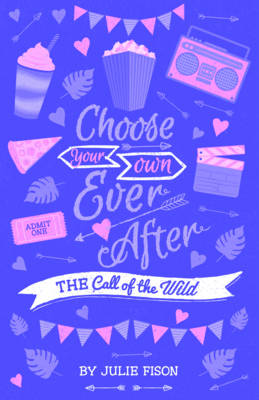
Writing a story that touches your reader will be easier if you write about something that moves you. If you care, you can convince your reader to care, too. Endangered wildlife feature in a lot of my stories because that’s an issue I care about. In the Hazard River series, a gang of kids comes up against rogue developers, dodgy fishermen and smugglers while holidaying on Hazard River. It’s action packed adventure, but each story also has an environmental twist. My most recent story for girls – The Call of the Wild (part of the Choose Your Own Ever After series) also features endangered animals – orangutans. The main character – a nature-loving school girl, has to decide whether to go to a save-the-orangutan fundraiser or go to a party with her besties, in this pick-a-path story.
Get inside you characters’ heads
Work out what type of person your main character is – his or her strengths and weaknesses. You could even interview them to get a complete picture. Think about how your characters will react in different situations. Don’t tell your reader that your character is mean, or greedy. Show them. Demonstrate your character’s personality through how they behave, what they say and what they think.
Write with all of your senses
Don’t forget to include smells and sounds in your story. These help to create a picture in the reader’s mind. Also include how your characters are feeling. Once again, don’t just tell the reader that your character is scared, show them – with a droplet of sweat running down his forehead, or a shiver running down her spine.
I hope you’ve had a great start to the year. I’ve been flat out working all summer. My friends and family would probably say otherwise, that I’ve been lazing around on holidays, that I’ve barely had my laptop open. But that’s just the point.
The hippest library in Santa Monica – at the Viceroy Hotel
The road to Paradise, on New Zealand’s South Island
I’ve been travelling, gazing out of plane windows, eavesdropping at restaurants, chatting with strangers, reading books, watching movies, gathering characters, uncovering settings, and generally getting inspired.
Yes, I know – research is tough, but someone has to do it.
And now comes the time when I have to do something with all of those snippets of life – pictures, notes, plane tickets, maps, memories. I can’t wait to get started.
I’ve been catching up with some amazing Australian writers over at Boomerang Books. They’ve had hundreds of books published between them, won countless awards and even have a few Order of Australia Medals to their names. They are so very inspiring that I had to share a few snippets from my interviews with Susanne Gervay, Gary Crew, Hazel Edwards and Dianne Bates.
For the full story, you can check out my blog at Boomerang Books, but here’s a taste.
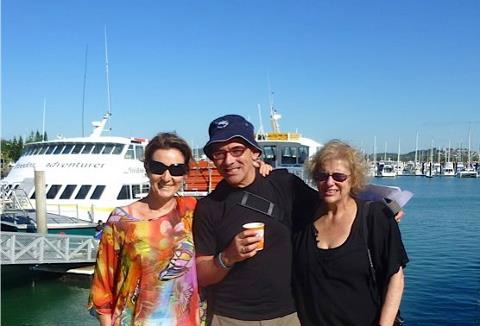
On my way to Great Keppel Island with Kevin Bergemeestre and Susanne Gervay
Susanne Gervay is an award-winning author, speaker, recipient of the Order of Australia and all-round dynamo.
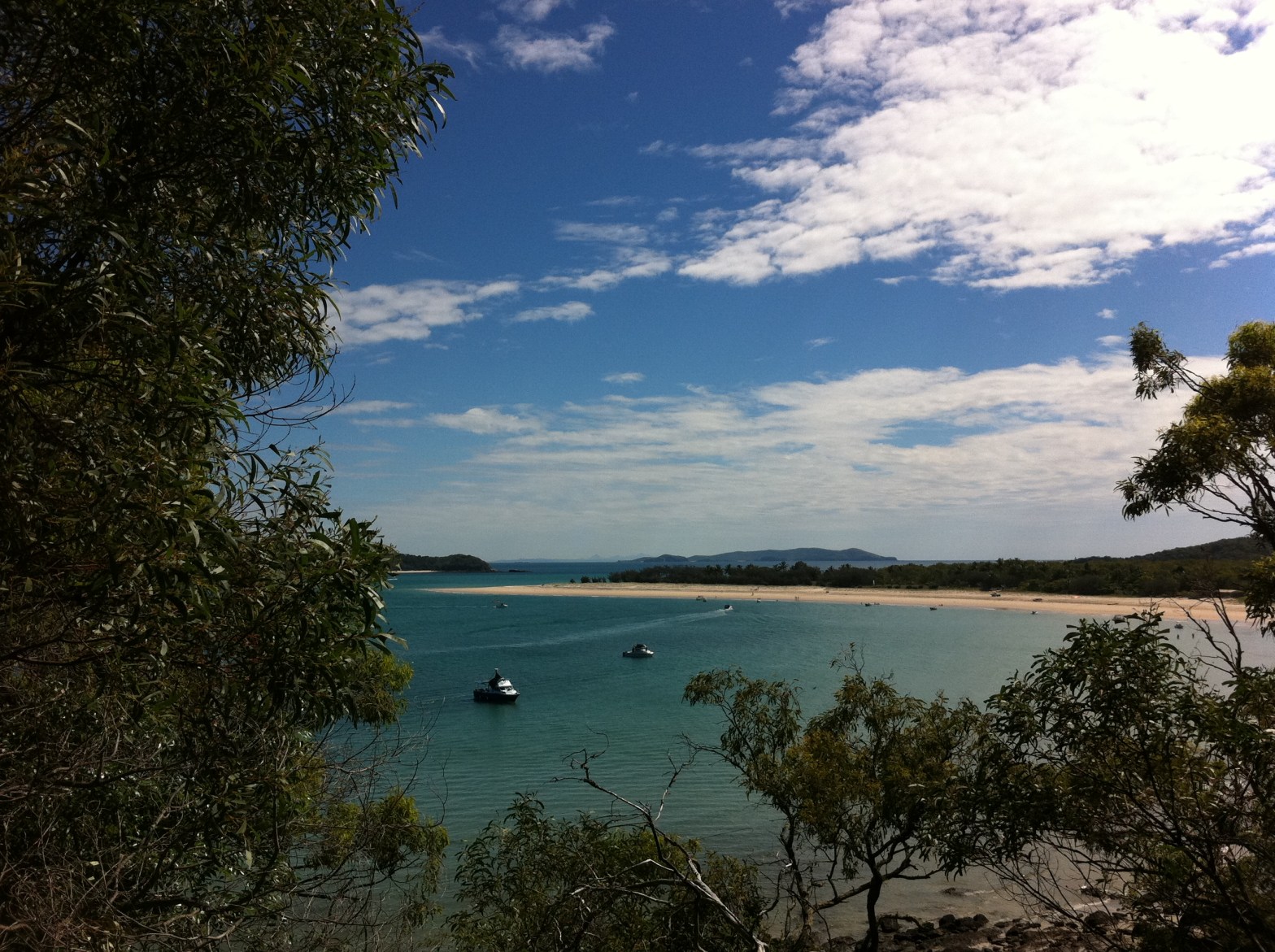
She rushed into my life last year at the Capricorn Literary Festival. I had the pleasure of sharing an apartment, and lots of stories with Susanne during our week-long visit to schools in Rockhampton and Emerald. Her energy was infectious whether we were visiting schools, snorkelling at Great Keppel Island or discussing stories.
She joins me to chat about her beautiful new picture book, Elephants Have Wings, which explores the humanity in all of us. The book is illustrated by award-winning illustrator, Anna Pignataro, who has created more than fifty books for children.
JF: Congratulations on your new picture book. Tell us about the inspiration for Elephants Have Wings?
SG: Inspired by my journey to India and South East Asia where I spoke in Delhi, Goa and Singapore, I returned imbued with the cultures and spirituality of India and Asia. I experienced the Baha’i Temple in Delhi where I was part of a service under the open-air lotus roof of the temple. Five young people read from their holy books from five different faiths. I also became aware of mystical stories. One was the parable of the blind men and the elephant which is part of Buddhism, Hinduism, Jainism and Sufism. Another was in Hindu mythology, that during the monsoon rains which refresh the earth, the clouds are regarded as the wings of elephants. Young people today are overwhelmed with media reports of terrorism and religious conflict, and it is time to reach out and create a safer world for our kids. Elephants Have Wings came out of this. It would be a gentle, nurturing picture book celebrating family, inter-generational story, beliefs in a world that is both beautiful and threatened, opening discussions of harmony, inclusion and peace. As the daughter of refugees, action for inclusion and peace are personal. I was privileged that Anna Pignataro, also the daughter of refugees, would go with me on this journey.
Judith Rossell’s prodigious talents as an illustrator and writer, her inimitable wit and her obsession with Victoriana come together superbly in her latest book for children – Withering-by-Sea.
The story follows the trials of Stella Montgomery, an 11-year-old orphan, who lives with her dreadful aunts in a damp, dull hotel in Victorian England. But everything changes when she witnesses an evil act in the conservatory.
The book is the first in a series of Victorian adventures for Stella Montgomery and features the kind of beautifully intricate and magical drawings that have made Judith Rossell one of Australia’s most successful illustrators.
Judith joins me to talk about her new book and the historical period that inspired it.
JF: Congratulations on Withering-by-Sea. It’s a wonderful book and the illustrations are stunning. Which came first – the pictures or the words?
JR: Thanks Julie! I’m very happy with how it came together. (Particularly the ribbon. I’m very happy about the ribbon!). I started with the words, but along the way I did some of the drawings. Sometimes drawing the little details of the characters or the setting can give ideas for the story. Drawing the pier gave me the idea of a theatre, which gave me the idea that the Professor was a stage magician.
JF: What interests you about Victorian England?
JR: I’m a big fan of the early Sherlock Holmes stories, with the lovely atmosphere of fog and gaslight, and mysterious goings-on. And it was such an interesting era for the enormous changes that were happening, so many important inventions, and social changes. The pace of change in the 1890s was so much greater than now, people experienced the first telephones, motorcars, moving pictures, anesthetics, votes for women, education for all children… so many life-changing things. It must have been an exciting time to live.
JF: Why do aunties get such a bad rap in Victorian era fiction?
JR: Aunties and Stepmothers! You’d expect your mother to be on your side, sympathetic, reliable and looking out for you, but an Aunty might do anything! Aunties have many more possibilities, for exciting adventures, and for evil deeds. (I’m an Aunty myself, so I can say these things).
Award-winning Australian author, Archimede Fusillo delves deep into what it is to be a man in his latest coming-of-age novel for young adults, Dead Dog In The Still Of The Night.
The story follows the journey of Primo as he attempts to navigate his way though his final year of school with an emotionally brittle mother, a father suffering from dementia, a troubled brother and a demanding older girlfriend. When Primo crashes his father’s prized Fiat Bambino he’s forced to make some difficult decisions. Without strong role models, his choices are dubious and ultimately lead to more trouble. Primo discovers that there’s more to being a man than just posturing as one.
JF: Congratulations on your new book, Dead Dog In The Still Of The Night, Archimede Fusillo. You have carved a niche in the YA market writing about boys seeking an identity. Can you explain the motivation for this?
AF: I have always thought that boys and young men were more than simply the sum of their adventures. It seems to me that too often males in general are portrayed by the mass media as being one dimensional, with little to draw upon apart from angst, self-destruction and a high tolerance for drink and mayhem.
All I ever set out to do was explore what I saw was the deeper more emotional, more humane side of the male gender. I was brought up surrounded by boys, young men and older men who were not carbon copies of one another.
What spoke to me was the breadth and depth of dignity, a sense of caring, and yes, even a degree of self-loathing that permeated the life of boys seeking to discover what it was that made them men, what the parameters and boundaries and expectations were and are that help define one’s sense of selfhood.
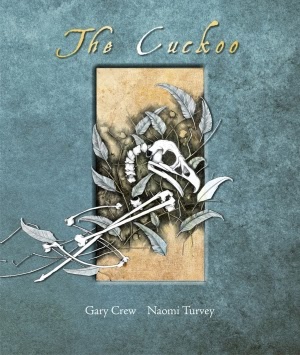
Multi-award winning author Gary Crew delivers a dark, but compelling Australian fairy tale in his latest illustrated book, The Cuckoo (Ford Street Publishing). The story follows the journey of Martin, a boy on the cusp of becoming a teenager, living in the Blue Mountains. Deserted by his mother, bullied by his brothers and neglected by his father, he seeks solace in the bush. The story is a warning against arrogance and is cleverly complemented by the intricate and surreal drawings of Naomi Turvey. Gary Crew joins me to talk about The Cuckoo and his other recent works.
JF: Gary Crew, congratulations on the The Cuckoo. The book is ultimately a tale of forgiveness and hope, but there is a great deal of cruelty in the story. Can you explain the background to the book?
GC: Having taught Murray Bale’s novel ‘Eucalyptus’ at university, I was interested in writing an Australian Fairy Tale that would appeal to boys. The extract from Perrault’s ‘Hop o’ my Thumb’ which introduces The Cuckoo proved the perfect starting point for a Fairy Tale based on sibling rivalry and sacrifice.
JF: The Cuckoois an illustrated book, aimed at middle school readers. What does an illustrated book offer children heading into the teenage years? GC: Visual literacy is a vital element associated with negotiating the modern world, irrespective of the reader’s age, so that’s one reason; secondly, the image allows the basic print narrative to be extended into a multiplicity of personal interpretations and readings according to the reader’s unlimited imagination.
On the day that prolific Australian author, Hazel Edwards was honoured with an Order of Australia Medal for services to literature, her latest young adult novel was receiving a very different distinction at the other end of the country. Hazel Edwards has written more than 200 books, including the hugely popular Hippopotamus picture book series, but none has provoked the reaction of f2m: the boy within. The book, co-written by Ryan Kennedy, tells the story of Skye who becomes Finn and transitions from female to male
JF: You are best known for your delightful picture books featuring a cake-eating hippo. What prompted you to write about gender transitioning?
HE: Ftm means female to male transitioning. But our title is f2m, like adolescent texting and also indicates our collaboration. Co-author Ryan is a family friend, whom I’d known since he was 11, and presenting as a girl. I knew he was transitioning from female to male, and admired his courage. A great collaboration. It would have taken me years to research what he already knew. Plus he’d kept a medical diary, and although the f2m: the boy within is fiction, NOT an autobiography, the medical sequences are accurate. We chose YA novel format because 17-ish is time for photo ID for drivers licence and when most teens are seeking their identity. Ford Street Publishing who specialise in edgy YA, was willing to support our risky project. Brave. It was short-listed by the internationally prestigious White Ravens best YA fiction 2011.
When Counterfeit Love, my latest book for young adults, came out this year, I have to admit to suffering a little fatigue. I’d had eleven books published in four years, and was feeling like I’d just finished an ultra marathon. But when I look around at my fellow children’s authors, I realise I’m just ambling along. I welcome an author who has more than 120 titles to her name.
Dianne Bates has a flair for humour, but has delved into some very disturbing topics in her young adult fiction. Bates has drawn from personal experience in her work, including her latest book, The Girl in the Basement, which tells the story of a girl abducted and held in a basement, awaiting her fate.
JF: You’ve written more than a hundred books, across lots of topics, but your YA books seem to focus on very dark themes – abandonment, self-harm and kidnap. Why is that?
DB: Most of my fiction books for younger readers are humorous! I guess the darker issues are something that I feel suit teens who are transitioning into the adult world and so often suffer much angst. During my adolescent years I knew abandonment and the feeling of being trapped, also I self-harmed. It’s said that one should write about what one knows, so I often draw on my life experiences when I write social-realism (which is most of the time).
JF: Can you explain the inspiration for your latest book – The Girl in the Basement?
DB: As a child I lived in a household of domestic violence and was constantly in fear of what might happen next, so I could well relate to the experiences of a teenage girl who is trapped physically and psychologically. I also had first-hand experience of an unpredictable man in my life so you could say I didn’t need to do much research but could draw on my childhood memories. I read a lot of crime fiction and real-life crime books which I found helpful in creating the life and mind of a criminal (the book is told from two points of view). In researching specifically for The Girl in the Basement (Morris Publishing Australia), I read about the experiences of young, abducted women who managed to flee their abusers. In particular, Sabine Dardenne’s whose book, I Choose to Live, about her 80 days in captivity, gave me a real insight into the experience and mindset of being kidnapped. Interestingly, the same week that the women were released from years of captivity in the house in Cleveland Ohio was the same week that The Girl in the Basement was released by Morris Publishing Australia.
See my blog on Boomerang Books for more of these interviews.
Get ready, girls of the US – the Choose Your Own Ever After series is heading your way. The US publisher Kane Miller has just acquired rights to my second book in the series The Call of the Wild. My first book in the series How to Get To Rio is due for release in the US in Jaunuary 2015. Thank you to my clever colleagues at Hardie Grant Egmont for making this happen.
In The Call of the Wild, nature-loving Phoebe has to choose between helping out the Wild Club at a save-the-orangutan fundraiser, and going to a super-cool party with her besties.
‘Tween girls will simply love this choose your own adventure style new series. Dealing with real world issues, How to Get to Rio gives the reader a delicious amount of power over the story they read.’ The Little Bookroom
In How to get To Rio, Kitty has to choose between going camping with her best friends, like she promised, and going to a beautiful beach resort with her new friend, popular-girl Persephone, where she might just get to meet the very dreamy Rio.
“This is a perfect girls novel, where the reader gets to make Kitty’s decisions. Full of friends, family, school and first love, this book is fun, sensitive and has great characters that the girls will recognise and relate to (especially the annoying little brothers!). Best of all, you can read this book lots of times with lots of different stories. Perfect for Year 7 & 8 girls.” LamontCHECK OUT WHERE TO BUY JULIE’S BOOKS
He’s gorgeous, with god-like abs and an adorable English accent. Then she discovers that he’s actually a member of an obscenely wealthy Russian family, and he wants to get to know her better. Nik catapults Georgia into a world of private yachts, fast cars and expensive jewellery. Having a billionaire for a boyfriend certainly comes with benefits, but it also comes with a price. How long will it take before life in the fast lane spins out of control?
‘Loved it! Georgia is a great character and Nik the perfect leading man. Glam and funny with some danger thrown in. What a fun summer read.’ Kate Forster
Lust and Found: Cambodia is the last place in the world Sienna wants to visit. She likes five-star hotels and exercising her credit card in air-conditioned malls not flea-ridden hostels and trekking through the jungle. But when her brother Eddie starts sending strange messages from Cambodia, Sienna’s mum convinces her to go check on him. Thankfully, her boyfriend agrees to go along. When they arrive, they discover that Eddie has disappeared. Sienna just wants to find him and get the hell out of there. Everything in Cambodia is getting to her – the language barrier, the unrelenting humidity, the mosquitos. But mostly it’s Eddie’s maddeningly hot French friend, Guillaume, who couldn’t be more unhelpful if he tried.
‘Lust and Found takes you on an exotic adventure through the heart of Cambodia. It combines a beautiful background, a curious quest and two main characters who continue to surprise. The characters are confronted with the real problems of travel and the novel explores how they learn to adapt to an unfamiliar world. It perfectly illustrates the idea that getting lost in your travels is not always a bad thing, leaving you wanting to explore the luscious environment of Cambodia for yourself. You will want to finish this book in one sitting as it draws you inexorably onward.’ Yasmine Morssi.

 Congratulations to all of the Queensland authors who had books in the latest Books From Our Backyard catalogue. The guide, put together by the Queensland Writers Centre, is a reminder that our sunny state is not just about fab weather and beautiful beaches, we’ve also got some amazing authors. The catalogue lists the books published in Queensland in 2014 and includes a whopping 280 titles from every type of genre. Apparently that’s a record and a fitting way to mark the QWC’s 25th birthday.














 Julie Fison

