Slovenia’s capital Ljubljana is easy to fall in love with. The pedestrianised old town stands elegantly on the banks of the Ljubljana River, with Baroque buildings lining the cobbled streets and weeping willows competing for space with café umbrellas. A generous smattering of dragon statues, countless picturesque bridges and a 15th century castle, sitting high above the town, complete the fairytale picture. It’s the perfect place to spend a few days exploring. Here are five of the many things to do while you’re visiting.
Watch the sun go down from Ljubljana Castle, 370 metres above the capital, with a glass of sparkling Slovenian wine in hand.
The castle itself is a hodgepodge of styles due to the number of different occupants. The Habsburgs did the main grunt work, constructing a fortress to keep out the Ottomans. The castle later served as a military hospital during Napoleon’s stint in the area, and a prison during World War 1. The Nazis occupied the fortress in World War 11. After that it was used as temporary housing for the poor, until its renovation in 1970. Now, it’s a popular tourist destination with a restaurant that commands views of the city. A bar at the foot of the western wall, is the perfect spot to grab a beer or glass of local wine and watch the sun disappear behind the Julian Alps.
Access to the castle is via one of the three walking routes: Študentovska ulica runs south from Ciril Metodov trg OR Reber ulica (the steep one) starts in Stari trg OR Ulica na Grad runs from Gornji trg . If you’re not up for a walk, a 70m-long funicular starts near Vodnikov trg in the old town.
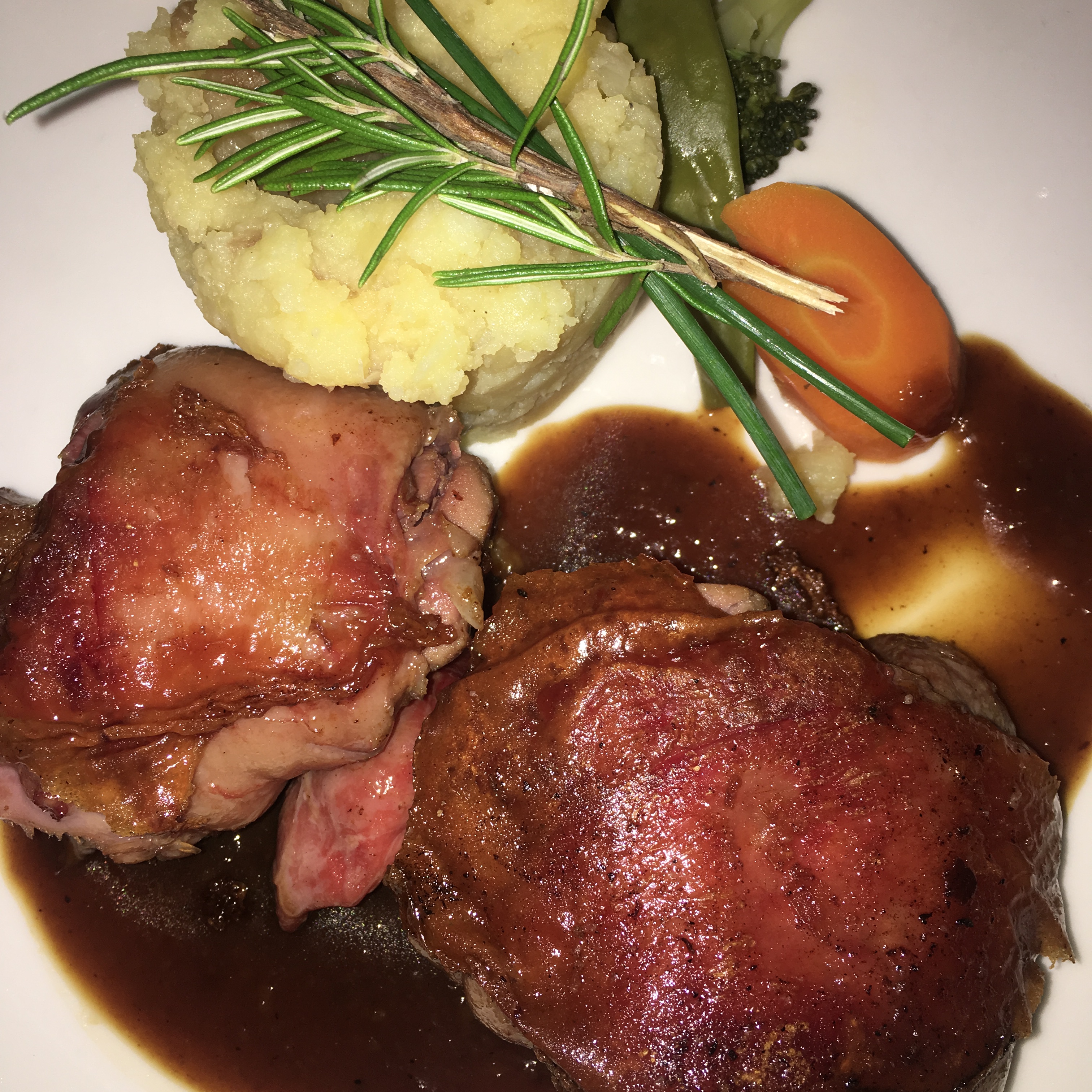
Dine at Julija, the capital’s most iconic restaurant, or take a sojourn to one of the many hot gastro delights outside the city.
The food in Slovenia is influenced by its neighbours – Italy, Austria, Hungary and Croatia, but the country is proudly holding its own on the gastro stage, with local chefs making an international name for themselves and winemakers right up there with them. Julija is the capital’s favourite restaurant, so make sure to book if you’re hoping to dine there.
Hike, row and stroll on a day trip to Lake Bled.
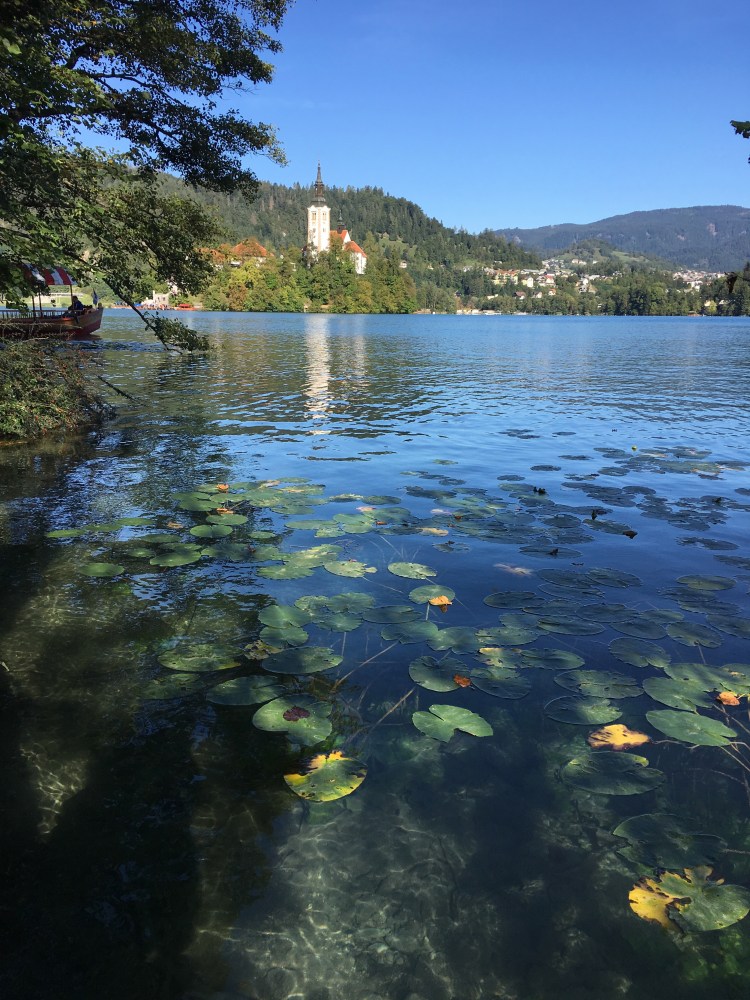
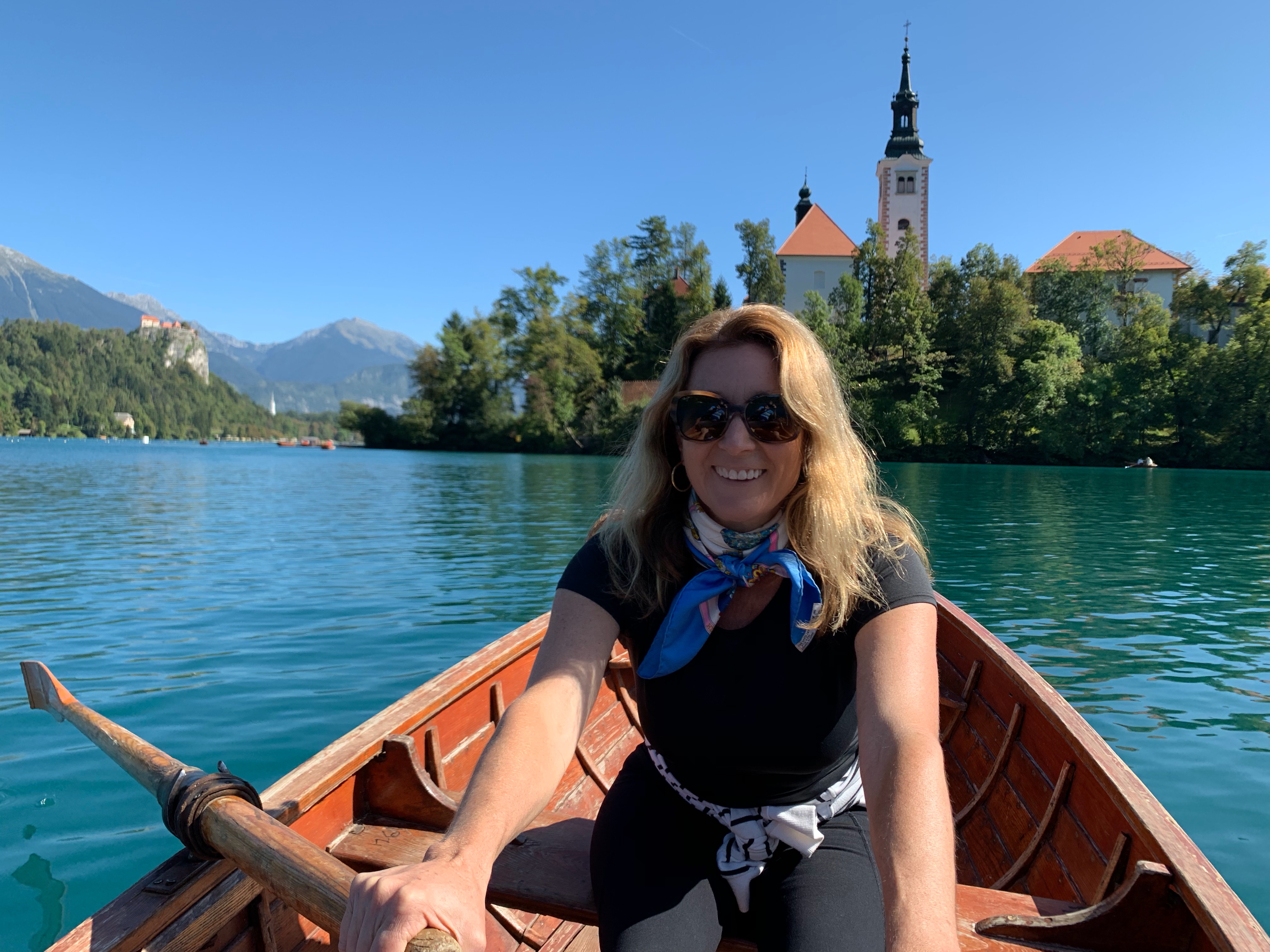
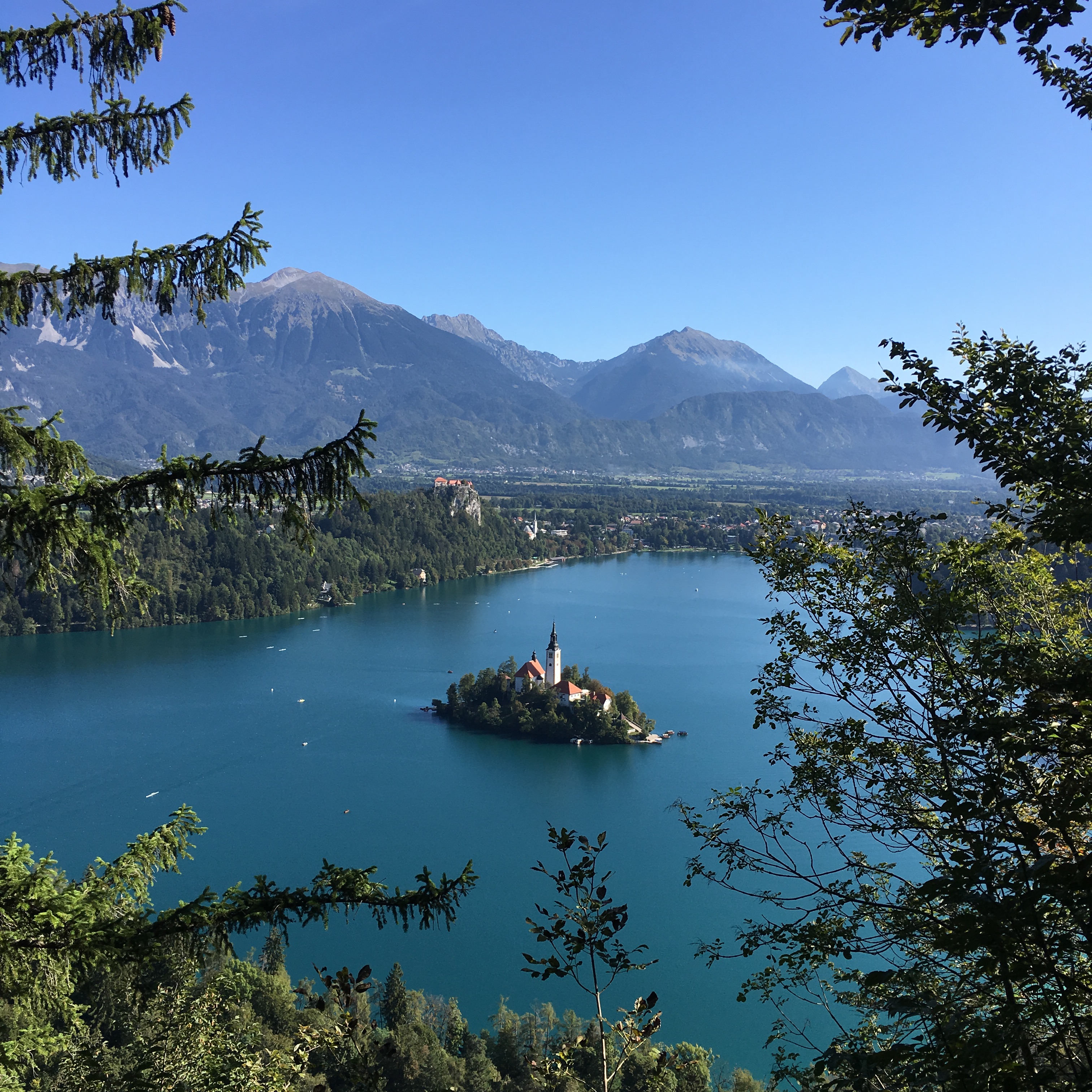
Lake Bled – a forty five minute drive from Ljubljana, is one of the most picturesque lakes you’ll ever come across. The sparkling expanse of water is framed by mountains, overlooked by a castle, and right in the middle of it all, a Gothic church is perched on a tiny island. It doesn’t get more magical than that.
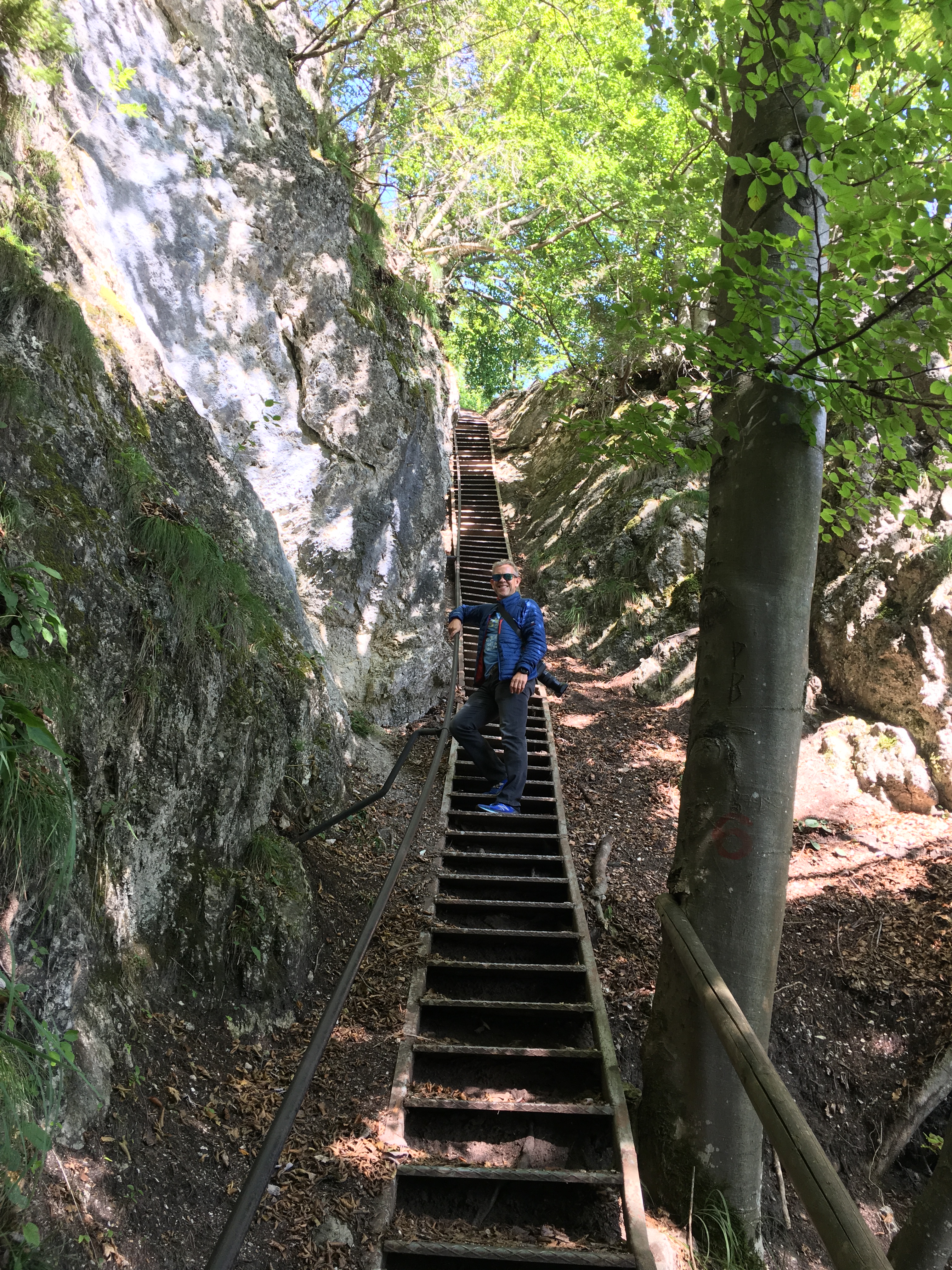
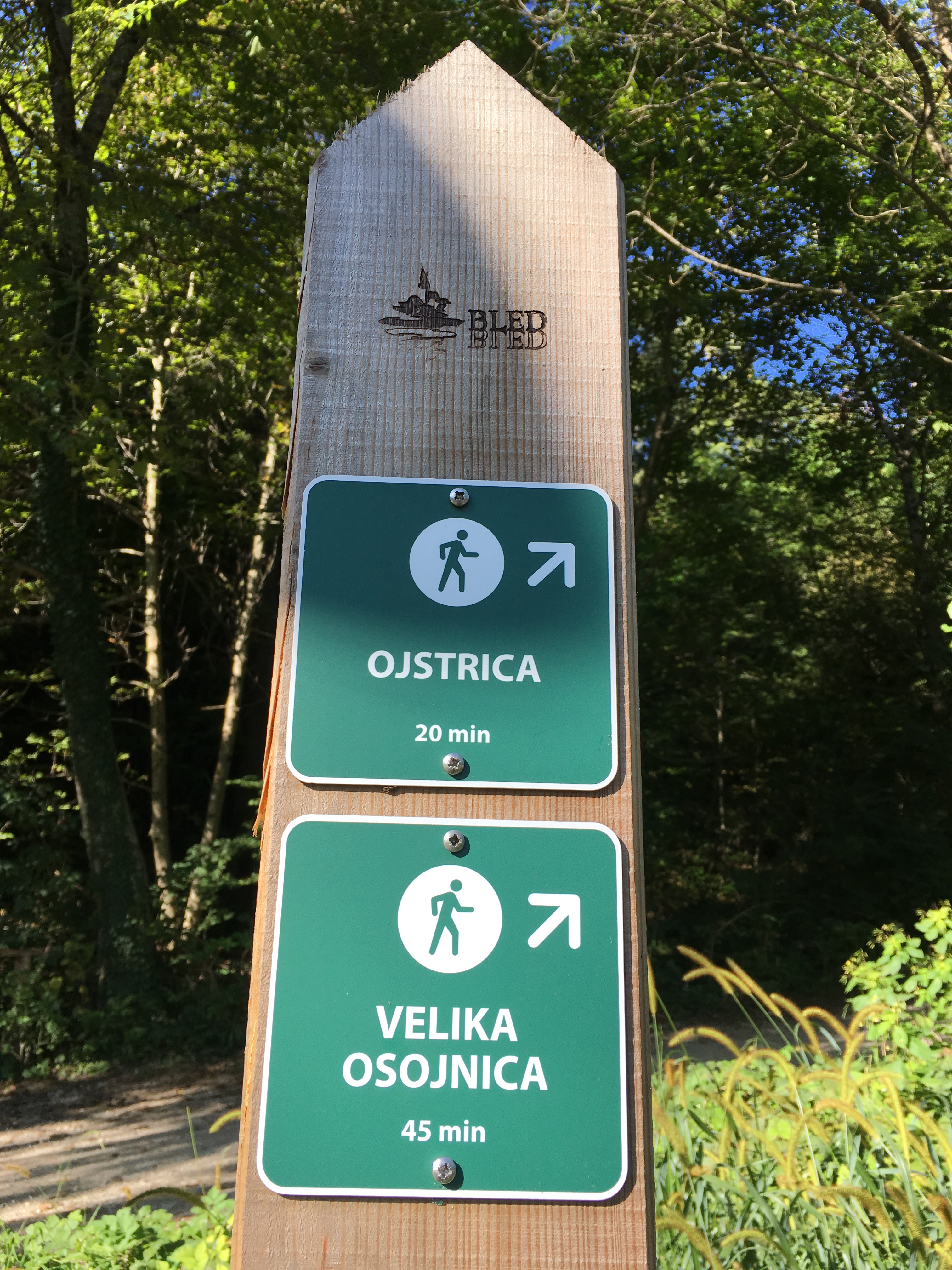
The 6 km path around Lake Bled is a popular place to stroll, but if you want to get a fantastic view, take one of the hikes on the western side of the lake. Follow the signs to Ojstrica. The trail winds up the hill, with a steep set of stairs at the top. Definitely worth the effort!
You can also rent a boat, row to Bled Island and visit the Church of the Assumption of Mary. After that, you’ll definitely be ready for lunch and a piece of Lake Bled cream cake!
Wander around town and end up at Le Petit Cafe, one of Ljubljana’s most famous coffee spots, just in time for brunch.
While Ljubljana has an abundance of historic sites, it has a modern attitude. The capital has strong green credentials and punches above its weight with a vibrant cultural and restaurant scene. Tiny Slovenia was ruled by the Habsburg Empire from the Middle Ages until the end of World War One, and was part of Yugoslavia until its independence in 1991. It’s no surprise that the country is keen to assert its own personality. The city is popular with students and so are the cafes.
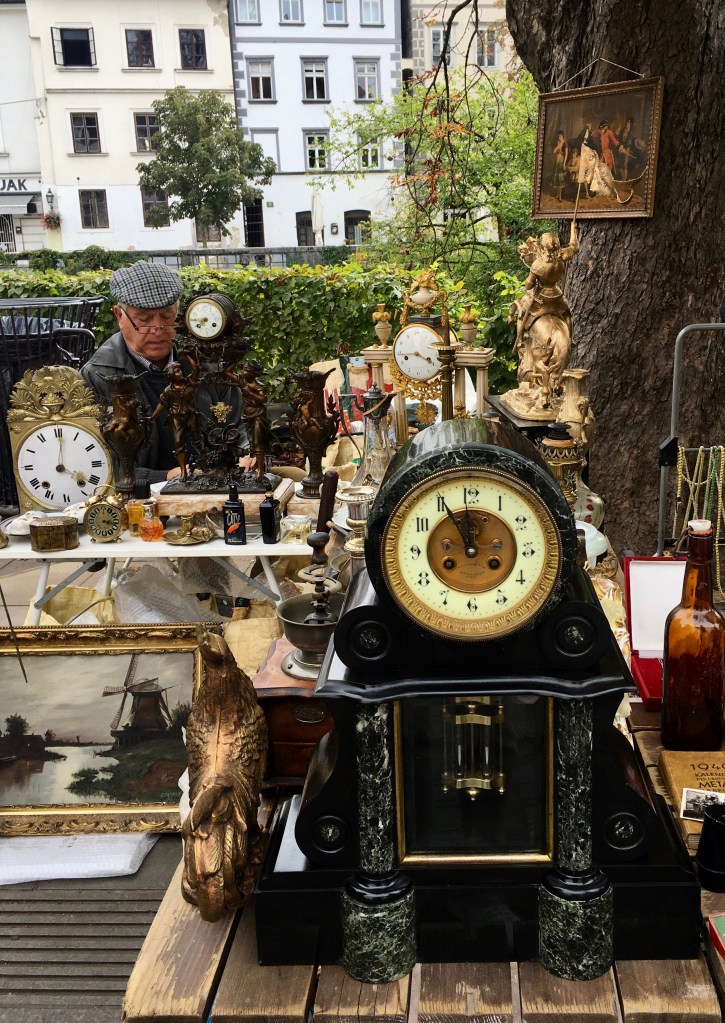
Spend a lazy Sunday at the antique markets.
There’s not a single Bali sarong or Chinese toy in sight at the Sunday markets. But it is packed with antiques, stamp and medal collections, soviet-era badges and communist trinkets. Heaven for treasure hunters!
Why has it taken me so long to get to the Top End? I’d imagined beer-drinking blokes and barra fishing. Well, OK, there’s a lot of that going on. But there’s so much more to the top of the Northern Territory. The scenery, the bird life, the stories – are out of this world. After three days in Kakadu, a night in Darwin and four nights at the Seven Spirit Bay lodge on the remote Cobourg Peninsula, I’m already planning my next trip.
Kakadu National Park – 3 nights
We visited early in May so many of the famous Kakadu sites were still closed. Jim Jim and Twin Falls hadn’t been cleared for visitors and Ubirr was closed for cultural reasons. Initially that was disappointing, but we found lots of other amazing places to explore.
Yellow Water cruise
Yellow Water cruise – This was definitely a highlight. Gliding through the wetland as the sun rises and the world wakes up is breath taking. I highly recommend the dawn cruise but I’m sure the sunset one would be equally stunning. Be prepared to get up early if you’re travelling from Jabiru (45 min drive in the dark). Expect crocs, sea eagles and some good banter if Dennis is captaining your boat.
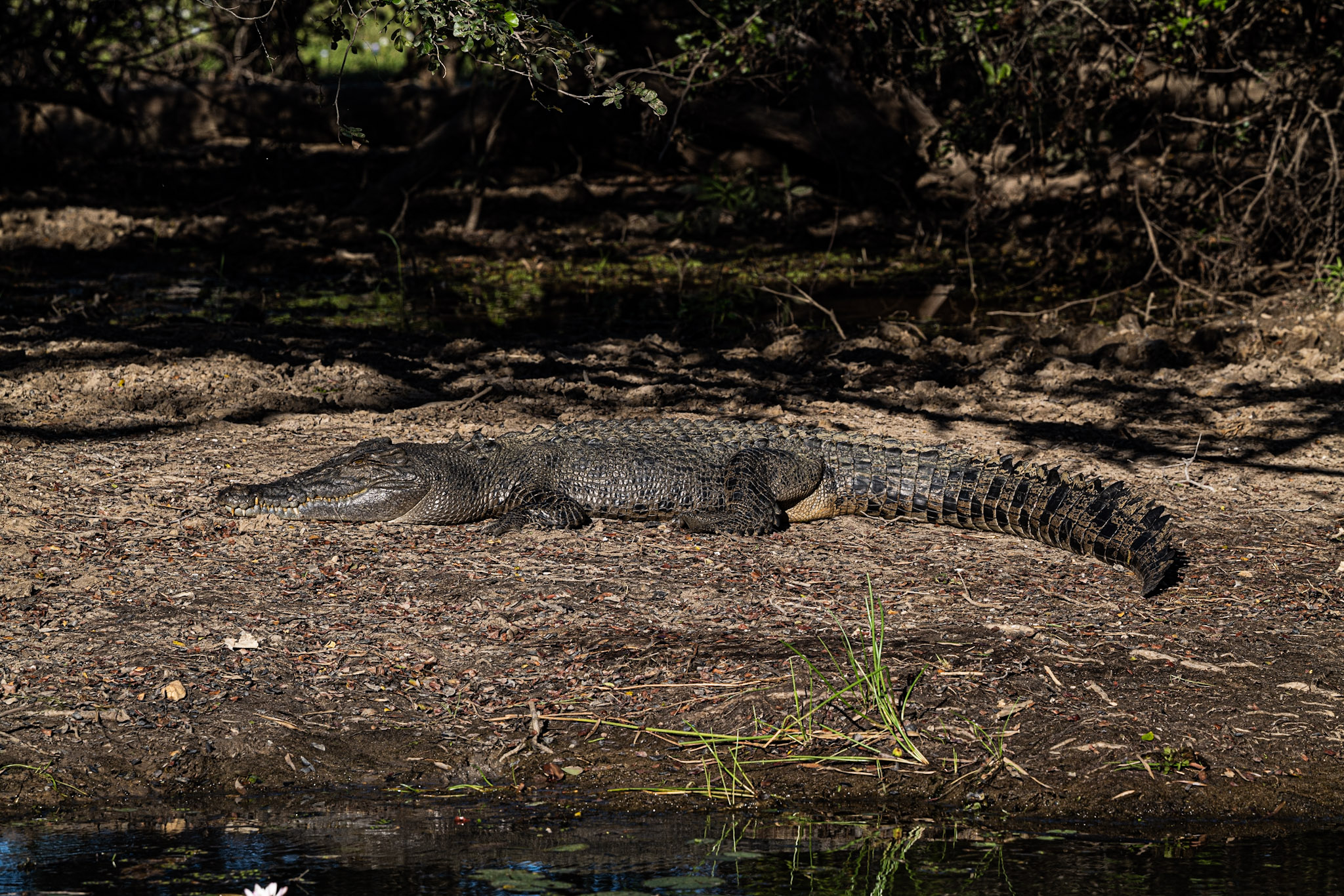
Egrets taking flight at Yellow Water. Image: John FisonSea eagles at Yellow Water. Image: John FisonCrocodile warming up at Yellow Water. Image: John Fison
Yurmikmik Walks (Motor Car Falls) After a long drive and a one-hour hike through stinking hot bushland, the falls here are a very welcome sight. The rock hole (as it’s called up here) is croc-free so you can splash to your heart’s content. Park at the second car park on the dirt road to Yurmikmik walks.
Taking the plunge at Yurmikmik
Nawurlandja lookout (also called Nourlangie) This is the place to be at sunset. It’s a short, steep scramble up the rock from the car park but the views of Burrungkuy and the Arnhem escarpment are stunning. The World-Heritage listed Burrungkuy rock art is a short drive from here.
Sunset from Nawurlandja Lookout
Mamukala wetlands The hide – just off the Armhem Highway, offers a great spot for bird watching and enjoying the sunrise.
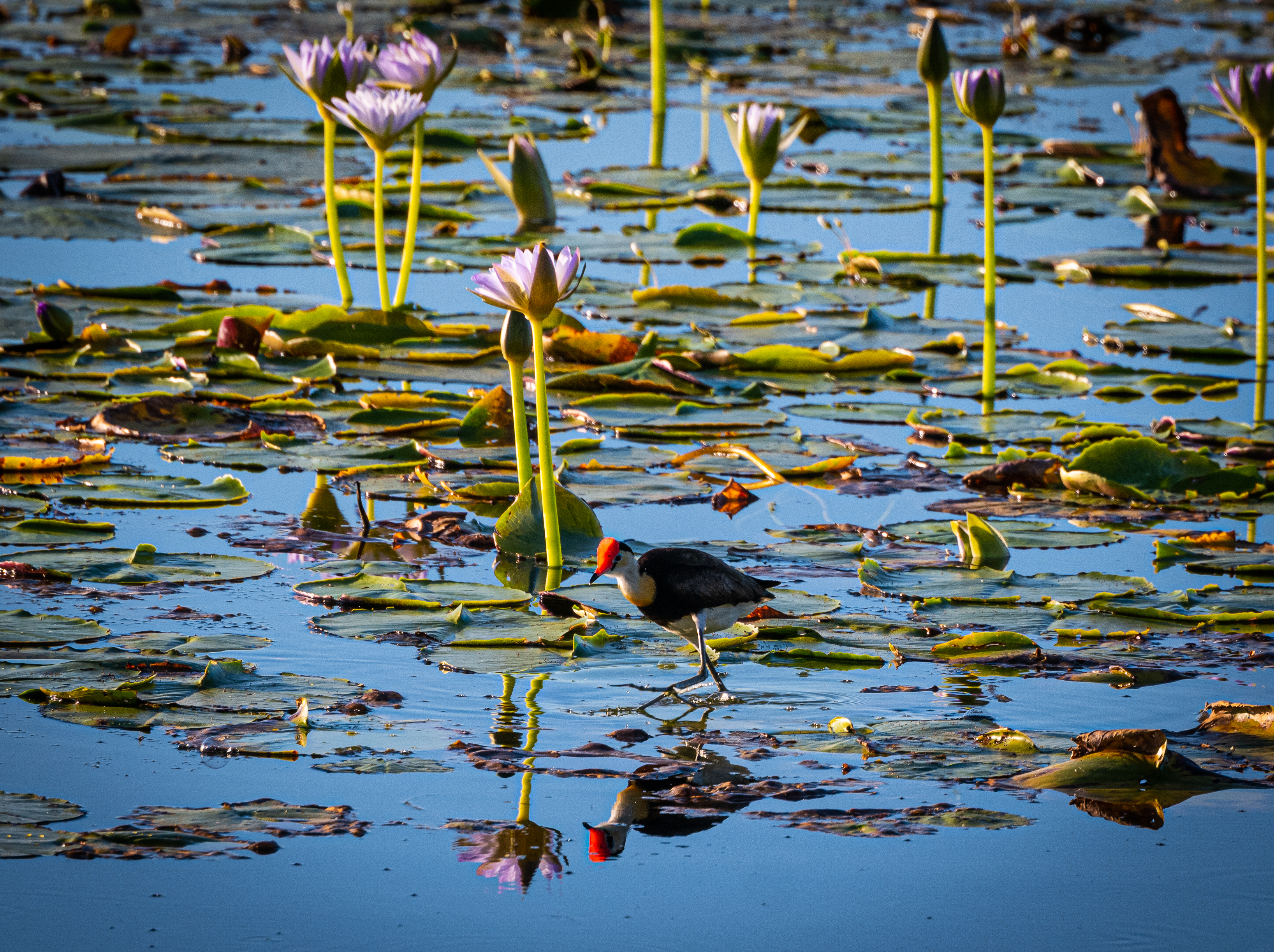
Sunrise at Mamukala wetlandsLily-hopper at Mamukala Wetlands
We stayed at the Crocodile Hotel. It’s looking very dated these days but the restaurant serves up good meals and the staff are very friendly. Plus, you get mobile coverage here – very rare in this part of the world.
Beware: the corellas roost in the pool-side trees and carry on late into the night and get up well before dawn. If you’re wanting to explore Kakadu there’s a lot of driving involved if you stay in Jabiru. Check out Cooinda Lodge for exploring the southern end of the Kakadu.
Darwin – 1 night
After another long day of driving, we had no time to explore, but managed to watch the sunset from the Esplanade and had dinner at Little Miss Korea. The food was excellent!
Darwin Esplanade
Seven Spirit Bay – 4 nights
The lodge clings to the edge of the Garig Ganuk Barlu National Park on the Cobourg Peninsula and can only be accessed by plane or sea. We flew from Darwin but others arrived in their own planes and helicopters (as one does). The setting – overlooking Coral Bay (Seven Spirit Bay comes from the seven seasons in the indigenous calendar) is postcard-perfect. Expect amazing sunsets, delicious healthy food, great fishing, enthusiastic staff, the ruins of a colonial settlement, crocs in the lagoon and snakes on the paths.
Seven Spirit Bay
Pack: Sturdy walking shoes and long pants for bush walks – everything spikes or bites around here. Long sleeves and a good hat are essential for fishing.
That’s a mighty big croc and we are in a tiny little boat. Image: John Fison
You’re completely off the grid here – no mobile coverage or internet, but I did get to use the satellite phone to call my Mum for Mother’s Day.
Who needs the Amalfi Coast when you’ve got North Queensland? The turquoise Coral Sea, the Daintree World Heritage Rainforest, waterfalls, pristine beaches, islands, historic towns as well as the occasional crocodile make exploring this part of the state an unforgettable experience. We spent two weeks driving from Townsville to Cooktown via the Bloomfield Track, returning along the Mulligan Highway and tagging on a few days at glorious Orpheus Island. There are plenty of places to explore along the route, but here are the details of our road trip.
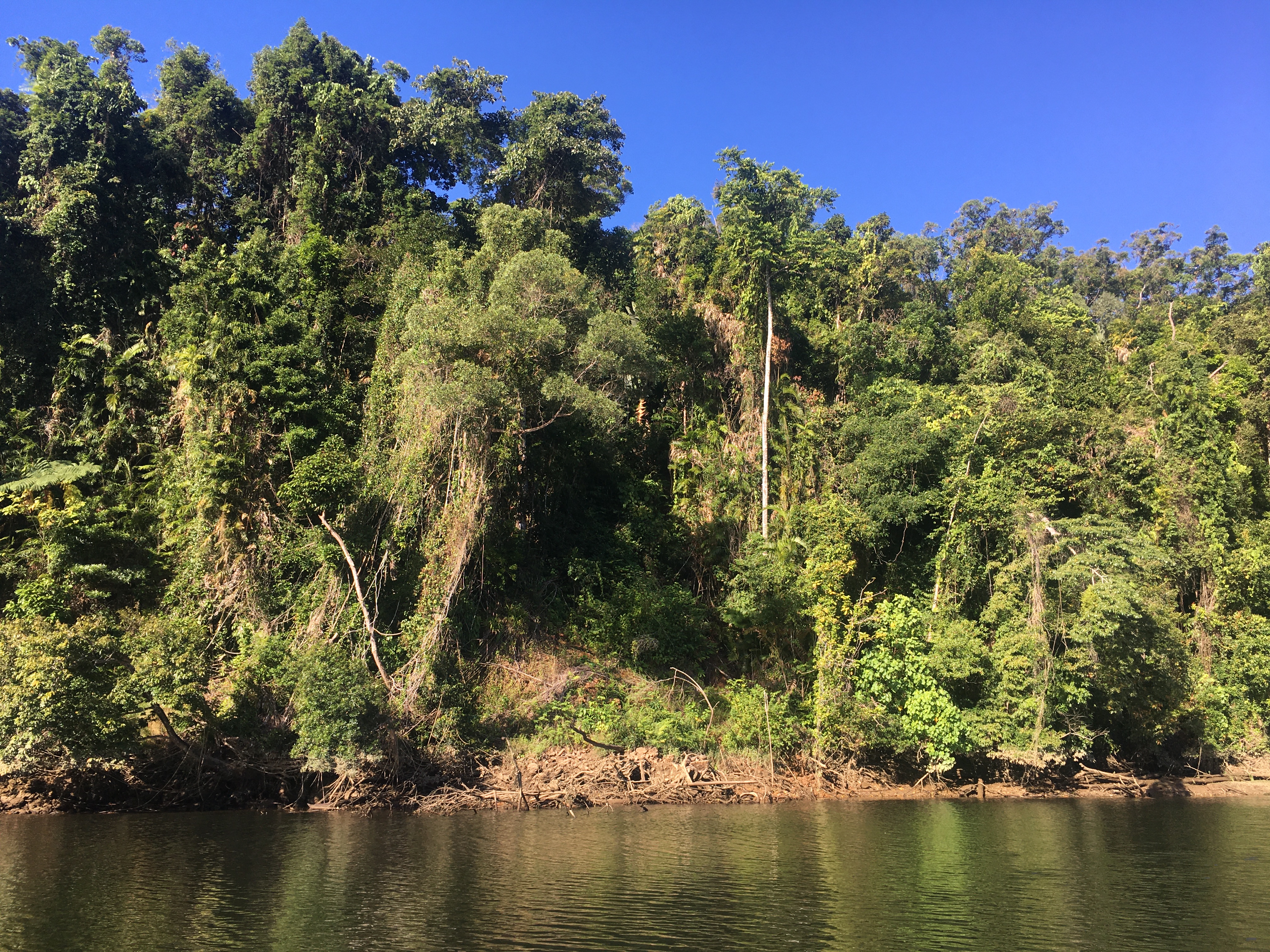
Daintree River. John Fison
Day 1: Townsville and Magnetic Island
Townsville is the largest town in North Queensland, but unless you have time up your sleeve, head straight to Magnetic Island – a forty-minute car ferry ride away. With a laid-back vibe, pretty beaches, and great bush walks, it is the perfect place to start a holiday. There is a Peppers resort at the ferry terminal, but for a more relaxed feel, wind your way over to the other side of the island. Horseshoe Bay has a good range of accommodation, a handful of eateries, and is the best place to be when the sun sinks into the Coral Sea. Horseshoe is also the starting point for the beautiful walk to Florence Bay, which can only be reached by foot. With any luck the butterflies will be out and you might even spot a koala. For stunning ocean views, make tracks for the forts. The World War 11 concrete bunkers were built to protect the coast from a feared Japanese invasion. Get up early and make the trek to the top before it gets too steamy! The walk starts on the main road behind Horseshoe Bay.
Tips: In Horseshoe Bay, try dinner at Barefoot – the barramundi was fantastic when we ate there – and Café Nourish for breakfast, smoothies and wraps. In Nelly Bay, check out Scallywags for breakfast and Saltwater for delicious meals.
You can get around Magnetic Island by bus, but a car is a big advantage.
Day 3: Magnetic Island to Mission Beach
Next stop on our itinerary is Mission Beach, three and a half hours north of Townsville, along the aptly named Great Green Way. It’s worth allowing extra time for the drive as there are countless places to stop along the way. Big Crystal Creek is one you won’t want to miss. Look for the Paluma National Park turnoff, 67km north of Townsville, then follow the road to Paradise Waterhole. Here you’ll find picnic tables and toilets. A beautiful clear waterhole is just a short walk away. It’s the perfect spot for lunch and a swim. Just make sure you bring you own food as you won’t find any cafés around here. A mask is also handy for checking out the fish.
Further along the highway, duck off the road at the Hinchinbrook Island viewing point. The whole island is a national park – no hotels or accommodation of any kind – just dense tropical rainforest, mangroves and cloud-covered mountains. A little further on, the beachside town of Cardwell is a pretty place to stretch the legs and grab a snack. From here it’s all lush green mountains and banana farms. Keep some change in the car to buy local produce from the roadside stalls on the road in to Mission Beach.
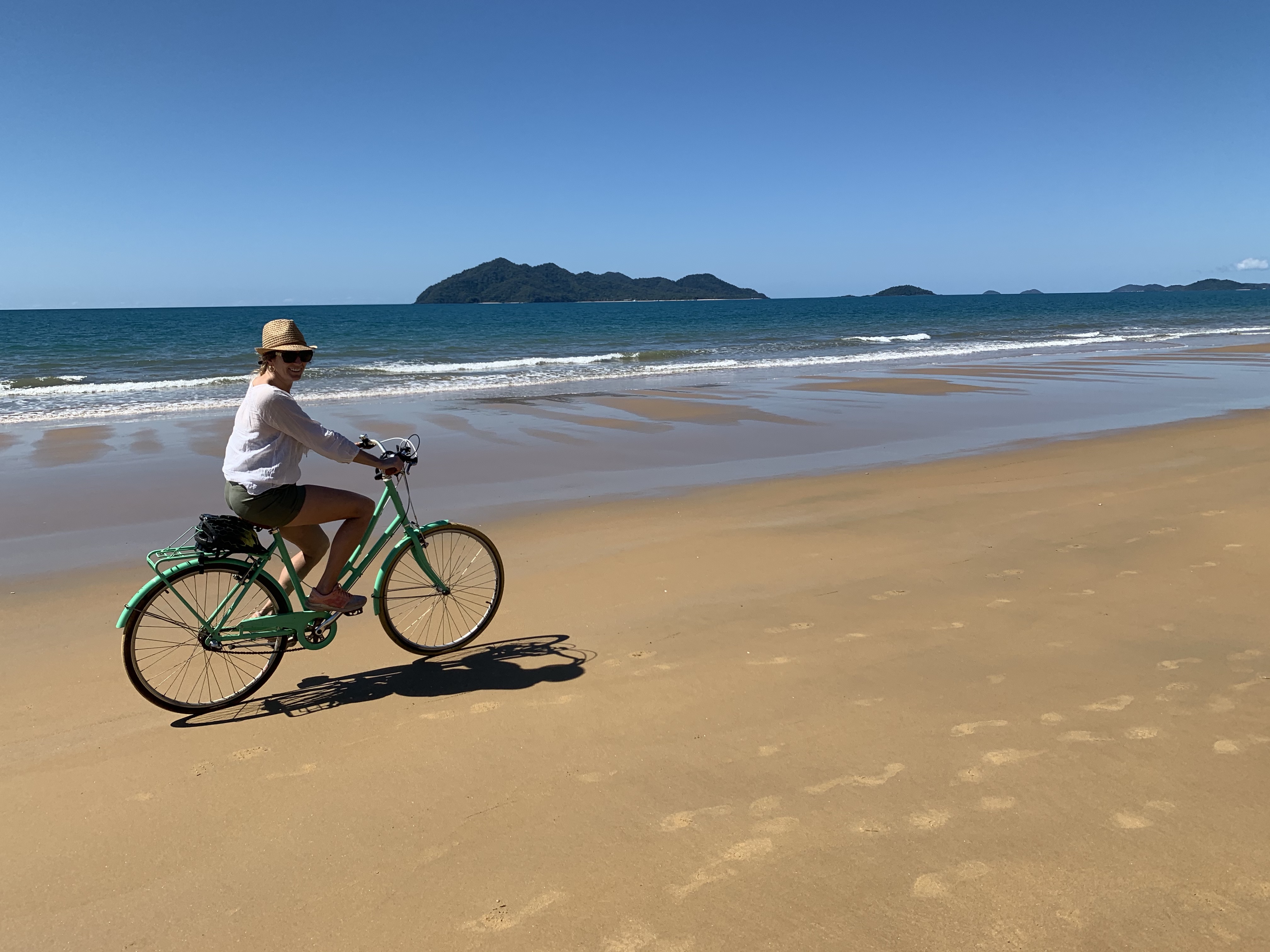
Mission Beach is a 14 kilometre stretch of palm-fringed paradise. It’s actually four small communities – Mission, South Mission, Wongaling and Bingil Bay – the perfect place for beach walks, bike riding, kayaking, reef excursions and fishing trips. Porter Promenade is the heart of things – a hub for restaurants, cafés and rentals, but you’ll find beach-front cottages, resorts and apartments spread all the way along the unspoilt coastline.
Tips: Try Buko at Castaways for heavenly beachfront meals and Shanti for breakfast and lunches. Head to Leny’s, just across the road, for fantastic fresh fruit and local dairy produce.
You might be lucky enough to spot a cassowary while at Mission Beach. This is the Cassowary Coast, after all. If you don’t have any luck, head to nearby Etty Bay. A cassowary is a regular at the campsite there. Just ask at the office and they’ll point you in the right direction.
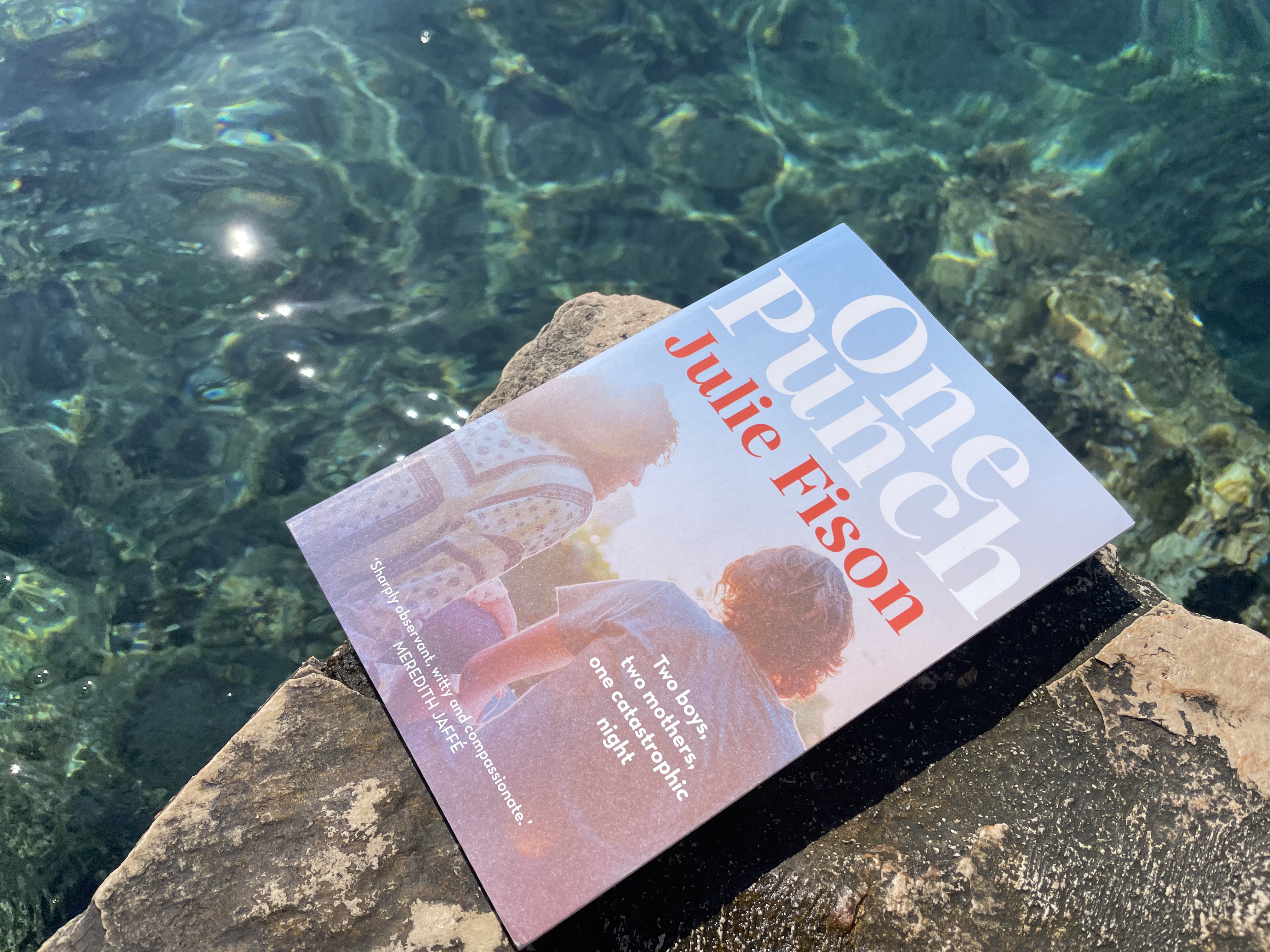
One Punch takes a simple premise and turns it into a tight study of class and human nature – what we believe to be true about ourselves, and those we love, and who we really are. A crime is the pivot point for a sharp observation of human nature and blends compassion and humour in equal measure.
Meredith Jaffe, The Tricky Art of Forgiveness
Mission Beach. John Fison
Day 5: Mission Beach to Palm Cove
We’re back on the Great Green Way today – heading north to Palm Cove. It’s a two-hour drive, but once again there are ample options for detours. If architecture interests you, plan a stop in Innisfail – the home of tropical Art Deco. On virtually every street, you’ll see 1930’s treasures – the remnants of the sugar cane town’s glory days. Many of the buildings are just brightly coloured facades these days, but the Shire Hall is a well-preserved relic of a bygone era, and definitely worth a visit. Another option for history buffs is Paronella Park. This faux European castle was built in the 1930s by Spanish migrant José Paronella as an amusement park. The site on Mena Creek is well off the highway, but the drive is a delightful detour – through the tiny historic towns of Al Arish and Silkwood. For nature lovers, Josephine Falls is a must see. The tiered cascade is just five minutes from the highway at Mirriwinni and the perfect place to have a dip on a hot day. Feeling peckish after your swim – head to the Babinda Bakery for the best pies in the area.
Skirting around Cairns (and hopefully avoiding Friday afternoon traffic and roadworks) you’ll reach the turnoff to Palm Cove, about 30 minutes north. Here you’ll find another idyllic palm-fringed beach (hence the name). But unlike Mission Beach, Palm Cove is a well-established tourism hotspot with swanky accommodation, a host of great restaurants, chic little boutiques and giant melaleuca trees towering over the main street. It’s a very popular destination, so make sure you book accommodation and restaurants, especially if you are planning a trip during school holidays.
Tips: You’re spoilt for choice when it comes to dining, but Nu Nu is a stand out. Think spanner crab brioche and kimchi butter reef fish, followed by macadamia tart with Daintree vanilla ice cream. Yes, please!
Palm Cove. Julie Fison
Day 6: Palm Cove to Port Douglas
It’s a short drive from Palm Cove to Port Douglas – just 42km – but it is one of the most spectacular routes in Australia. The Captain Cook highway hugs the coastline, with views over the turquoise waters of the Coral Sea. Stop for a photo at Ellis Beach or further along at Rex Lookout. This spectacular hilltop position is also popular with hang gliders.
The road peels off the coast and into Port Douglas, a substantial tourist town, with a wide range of accommodation and restaurants and shopping. It doesn’t have the intimate feel of Palm Cove but it’s a good place to stay if you want to do a day trip to the reef or head out on a catamaran for a sunset sail. While in Port Douglas, make sure you walk to the lookout at Flagstaff Hill for breathtaking views over the coastline, and head to the netted area at Four Mile Beach to swim.
Tips: Visit St Mary’s by the Sea – the cutest chapel ever, and try the nearby Tin Shed at the Combined Club for reasonably priced food and drinks on the waterfront. Great for lunch. The Surfy Bistro at the Port Douglas Surf Club does excellent meals in a relaxed beachfront location.
Four Mile beach, Port Douglas. Julie Fison
Day 8: Palm Cove to Daintree
One of Tropical North Queensland’s most important natural areas – Mossman Gorge – is just a twenty-minute drive from Port Douglas. Your starting point is the Cultural Centre, where you can opt for a self-guided tour – taking a courtesy bus into the rainforest, and following an elevated boardwalk to a beautiful clear swimming spot. If you want to do a deep dive into the customs of the Kuku Yalanji people, you can book a Dreamtime walk, which begins with a traditional smoking ceremony and finishes with bush tea and damper.
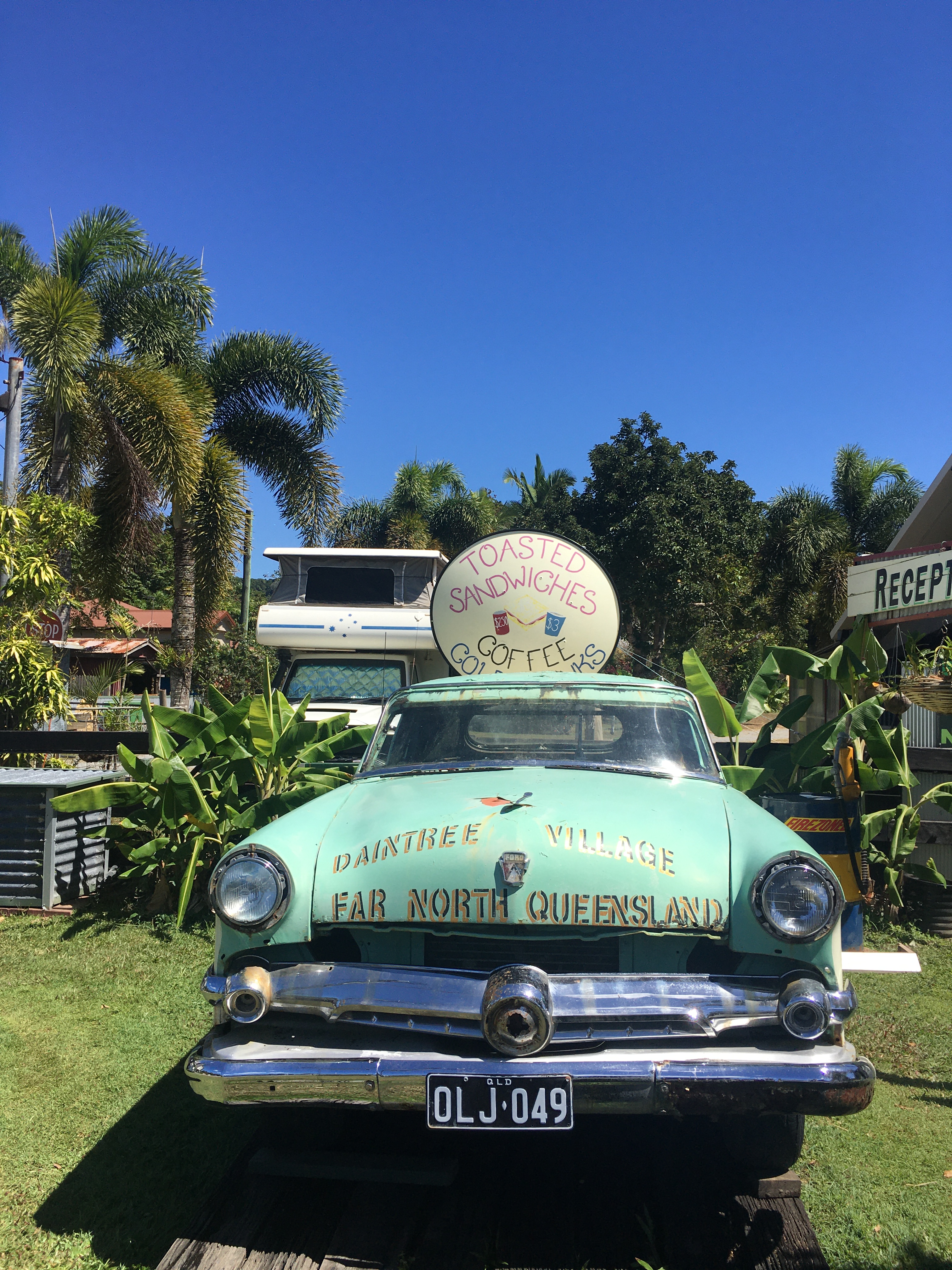
Half an hour further north is the town of Daintree. The town sits on the banks of the Daintree River, and was once the heart of the timber industry, but is now a tiny settlement with a handful of cafes, a quaint museum style shop and a distinct frontier feel. We arrive late afternoon and take a sunset cruise on the river. The river is famous for its crocodile population and we spot one half submerged among the reeds. It’s not interested in posing for cameras so we move on, enjoying the abundant birdlife, and watching the sun sink behind the mountains. The perfect end to the day.
Daintree village. Julie Fison
Day 9: Daintree to Cooktown
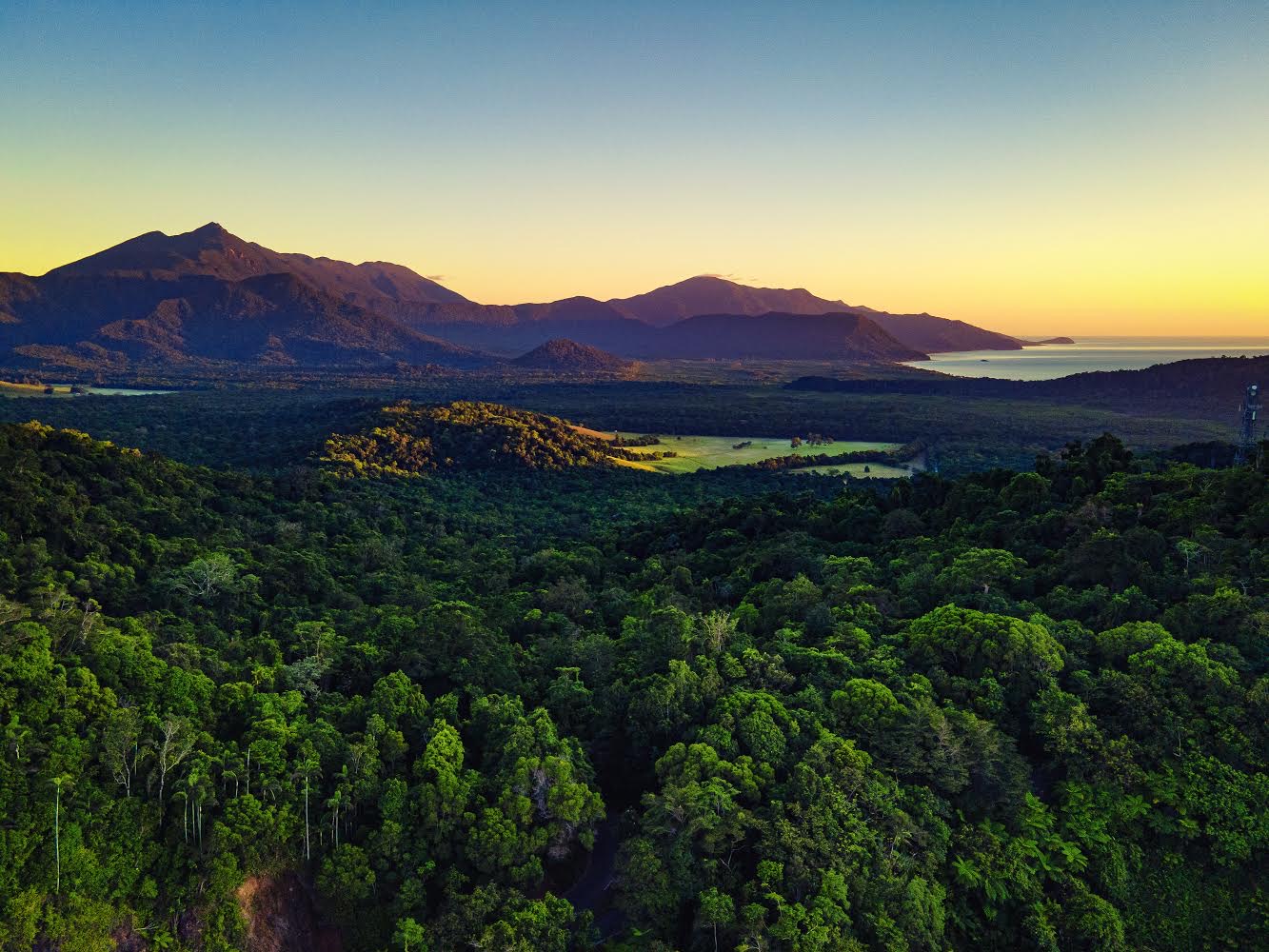
The real adventure starts today. Our destination is just 150km away, but between Daintree and Cooktown is the Bloomfield Track – an iconic 4WD route that forges a path through the World Heritage listed Daintree Rainforest. But first, there’s the Daintree River, which can only be crossed by car ferry. The journey across the river lasts 15 minutes, but takes you from farmland into another world. Towering fan palms, giant cycads and ancient conifers form a canopy over the road as you pass into one of the oldest rainforests on the planet. The Daintree is thought to be 180 million years old – more diverse than any other landscape in Australia with thousands of species of plants and animals. Make sure you stop at Mount Alexandra Lookout for an incredible view over the treetops, the Daintree River and out towards the Coral Sea. It is absolutely spectacular.
Another good place to stop is the Madja Botanical Walk where you can explore the mangrove forest from the safety of a boardwalk. You will also want to call into Mason’s Café for lunch and a swim. The café offers a quirky range of local specialities including croc burgers and black sapote smoothies. After a bite to eat, head to the waterhole behind the café – guaranteed to be croc-free. From here it’s a short drive to Cape Tribulation – named by British explorer Captain James Cook after his ship struck the reef in 1770. Take a stroll to the lookout to see where the rainforest meets the sea, and where it all went wrong for Cook.
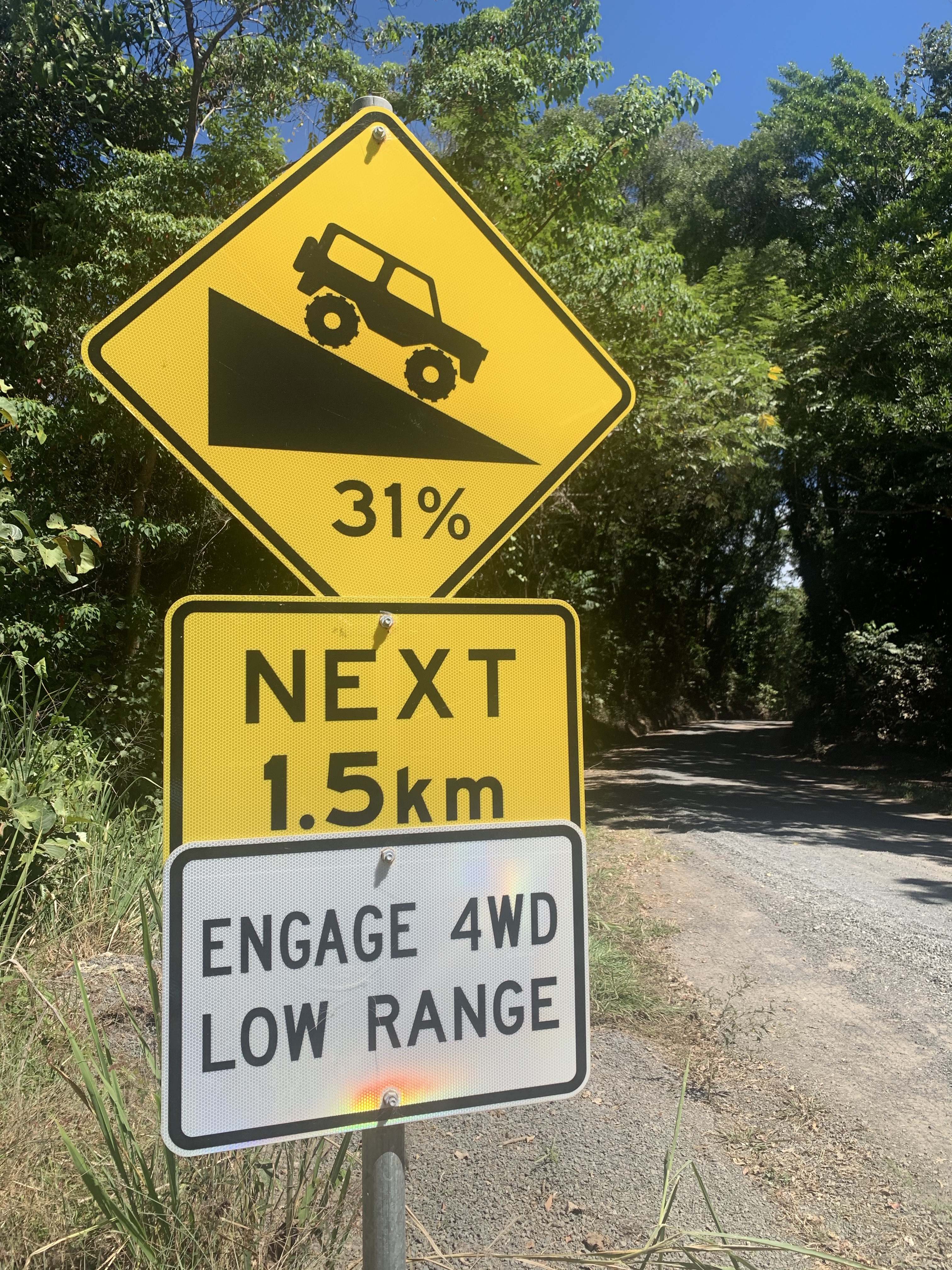
Cape Tribulation also marks the end of the bitumen. For the next 30km you’ll be on the Bloomfield Track – a steep, rough, twisting route through mountainous rainforest – considered one of Australia’s most scenic 4WD routes. It is only accessible in the dry season and can be impassable after rain. Challenging, yes, but also unforgettable and definitely worth the effort. The track ends at the town of Wujul Wujul on the Bloomfield River.
Wujul Wujul means ‘many falls’ in the language of the local Kuku Yalanji people. So, as you’d expect, the falls here are pretty impressive. Also worth a visit is the Bana Yirriji Art and Cultural Centre which is on the same road as the falls.
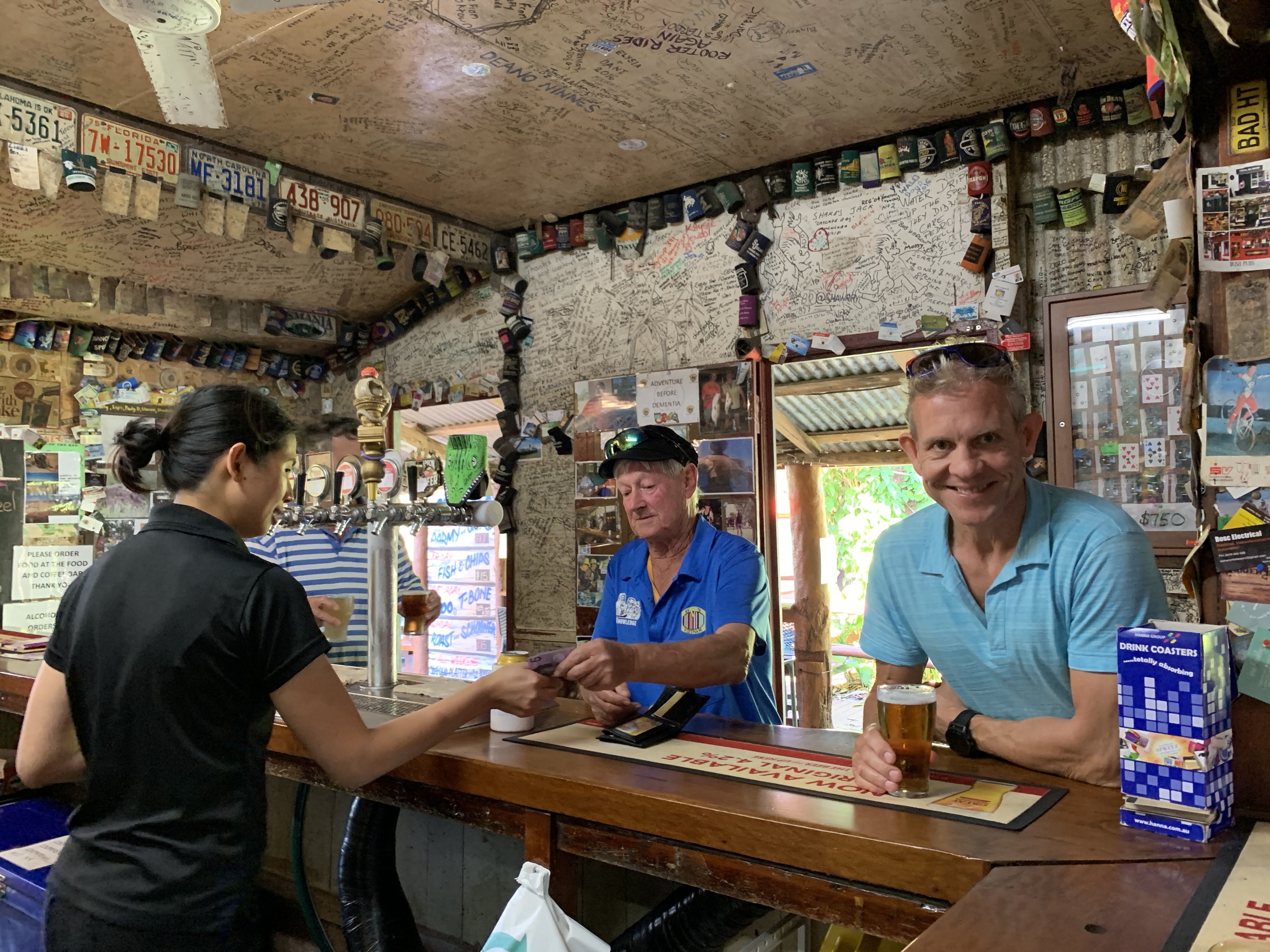
It’s another 65 km of bitumen road to Cooktown. On the way, don’t miss the Lions Den hotel about 30 km north of Bloomfield. The historic pub has been feeding and watering weary travellers since 1875, and is firmly on the tourist trail these days with an extensive selection of merchandise to prove it, but the place has a great atmosphere and amazing pizzas that are served all day.
Choose Your Own Ever After is a contemporary pick-a-path series about friendship and first crushes that lets the reader decide how the story goes. Perfect for young readers who like to call the shots!
It’s late afternoon by the time we finally make it into Cooktown. The town, with its wide main street, bright blue Endeavour River and historic buildings, feels almost like a film set. It is in fact a thriving rural town, a favourite with grey nomads and a great place to visit. The streets are dotted with landmarks and monuments to Captain Cook, even though it was a maritime misadventure that saw him stranded here in the first place. He and the crew of the Endeavour hobbled into the river to repair damage done to their ship when it ran into the reef. Here begun all out troubles, as he put it. They spent seven weeks in Cooktown fixing the ship and trying to work out how to get away again. It was Cook’s longest time ashore in Australia.
Things to see: The James Cook Museum is a must. Cook’s connection with Cooktown is obviously the focus of the museum, with the Endeavour’s anchor and canon gracing the entrance. But stories and artefacts from the Guugu Yimithirr nation who called this area home long before Cook was even a twinkle in his mother’s eye also feature, as do mementos and photos from the gold rush days at Palmer River.
Above: Daintree Rainforest, Mossman, Wujul Wujal Falls, Lions Den Hotel, Cape Tribulation, View from Alexandra Lookout. Images: John Fison/ Julie Fison. Below: Daintree River, Cooktown, Orpheus Island. Images: John Fison
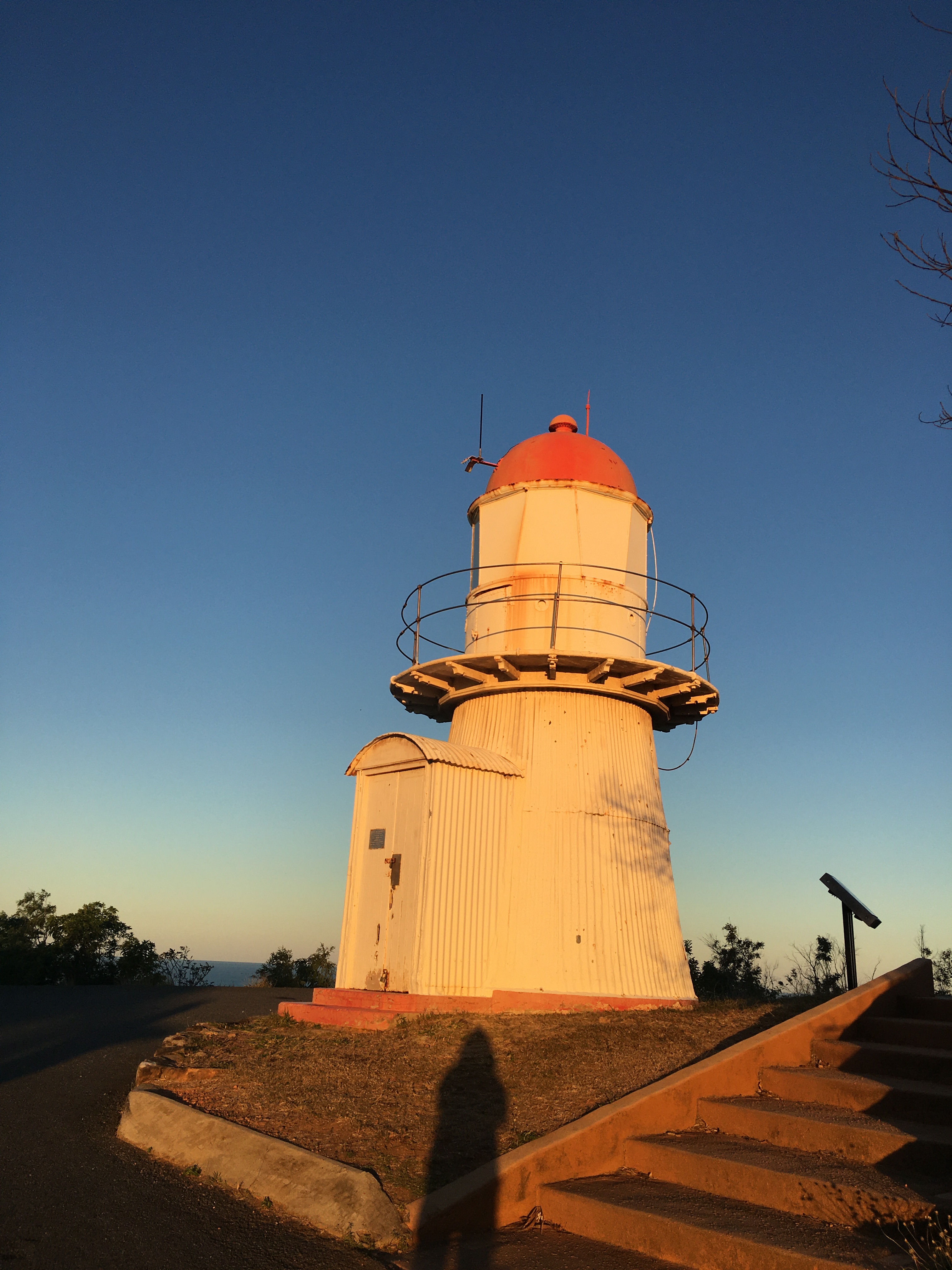
Cook’s Lookout: For stunning views of Cooktown and the Endeavour River, walk or drive to the top of Grassy Hill. An old lighthouse still stands on the spot where Cook searched for a way out of the reef. Snippets from his diary also line the route to the top.
Eat: Head to the Sovereign Resort for the best coral trout and chips in the entire world. (I am not joking.) Try Driftwood Cafe in Charlotte St for great coffee, breakfast and wraps.
Out of town: For a proper 4WD experience and a dip in a beautiful waterhole, head to Trevethan Falls. Take the Amos Bay Road, off the Mulligan Highway, then follow the makeshift signs. This is not an easy place to find and the final section of the track is steep and rocky. The walk to falls from the ‘car park’ is also tricky, but definitely worth the effort. Check with locals before swimming anywhere up here.
Day 11: Cooktown to Cairns
We return to Cairns via the Mulligan Highway – a 328 stretch of bitumen road through the farming communities of the Atherton tablelands. It is much less spectacular than the coastal route, but is a pleasant drive, and there are some pretty picnic spots and villages to stop en-route. Check out the Mount Molloy Coffee House for great whole foods, smoothies and coffee. There is also lots to see and do in the rainforest village of Kuranda. The Barron Falls are spectacular after rain, and there are beautiful walking trails to explore.
Day 12: Cairns to Townsville
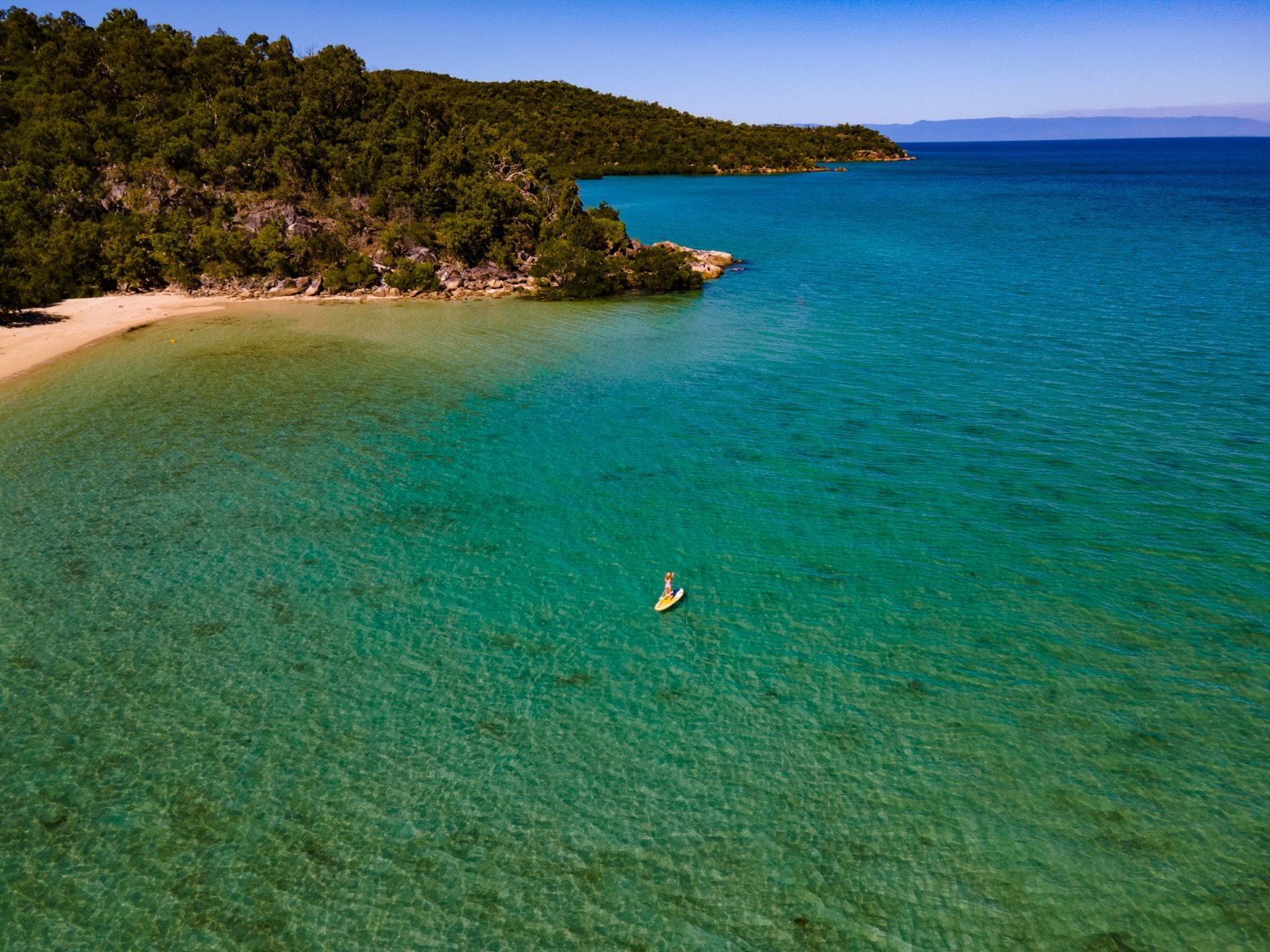
After an overnight in Cairns, we head south to Townsville – 346 km away. We ditch the car and take a helicopter to Orpheus Island resort, where we spend the next three days snorkelling, hiking, boating, paddle boarding, eating delicious food and generally feeling in awe at how truly beautiful Queensland is, and how lucky we are to live here.
I am excited to reveal that my first play – As the Crow Flies, is soon to be published by Australian Plays. The play for secondary school students is a modern adaptation of Shakespeare’s Macbeth and explores the themes of ambition, consequences and identity. It delves into the current sporting culture and delivers a warning that if something is too good to be true, it normally is. The play is an Australian Gothic tale that brings together sport and spirits. What could be more perfect for students?
The story: The Great Grantham 1st XV rugby team has been on a losing streak for as long as anyone can remember, and the captain, Sam Sevenoaks, (Oakster to his friends) is desperate to turn things around. When a new coach turns up with a plan to get the team winning again, Oakster thinks his prayers have been answered. But as the victories mount, Oakster’s problems begin to multiply. He must break the rules and the trust of his teammates to win the premiership. When the spirits of Brisbane’s murky colonial past invade the present, Oakster discovers that winning comes at a very high price.
“The modern context, sporting through-line and intertextual references to supernatural tropes make this an excellent resource for our Year 10 course. I believe this text will resonate with students, but I also like that it is easily adaptable to a range of teaching and learning contexts.”
Tanya Neilsen Head of Drama and Dramatic Productions Brisbane Grammar School
Cover art: Max Fison
Cast: The play is set in a boys’ school but can be adapted for girls or a mixed ensemble. It is suitable for a cast of 20-70.
Genre: Australian Gothic/ YA/Teens
Running time: 60 minutes
Digital copies of the play will be available from Australian Plays later this month. Please contact me here if you would like to know more.
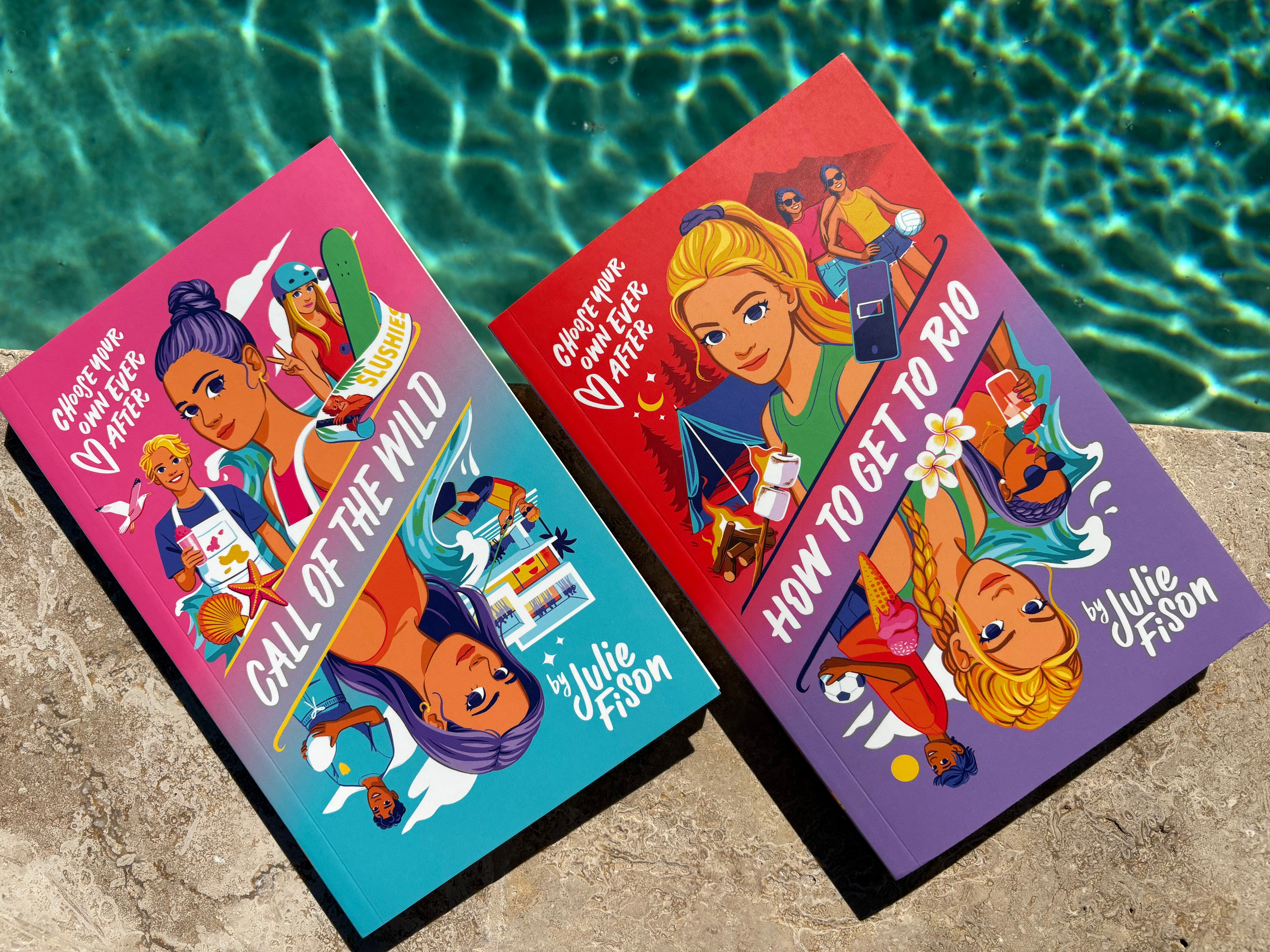
Twenty five years ago I made my first trip to Borneo – a rugged island in South East Asia, famous for its rainforests and wildlife. My last visit started my fascination with orangutans and inspired The Call of the Wild(Choose Your Own Ever After) about a school girl who has to make a choice between following her friends to the biggest party of the year or following her heart – helping out at a fundraiser for the critically endangered orangutans.
Earlier this month I was back in Borneo. And I have to admit I was nervous as we flew past Mount Kinabalu towards the airport at Sandakan. A lot can change in a quarter of a century. Large tracts of rainforest have been cleared for palm oil plantations and the organgutan population has been decimated by habitat destruction and hunting.
Conservationists estimate that the numbers fell by 150,000 between 1999 and 2015. Orangutans are now on the critically endangered list. The statistics are heart-breaking but my visit was nothing short of amazing. It was incredible to go back to the Sepilok Orangutan Rehabilitation Centre where orphaned orangutans are being prepared for their return to the wild, with the support of Orangutan Appeal UK. Things are a bit more structured now and visitors are kept well away from the apes. Back in the day that wasn’t the case. I had to extricate myself from the clutches of a cheeky fellow who took a shine to me!
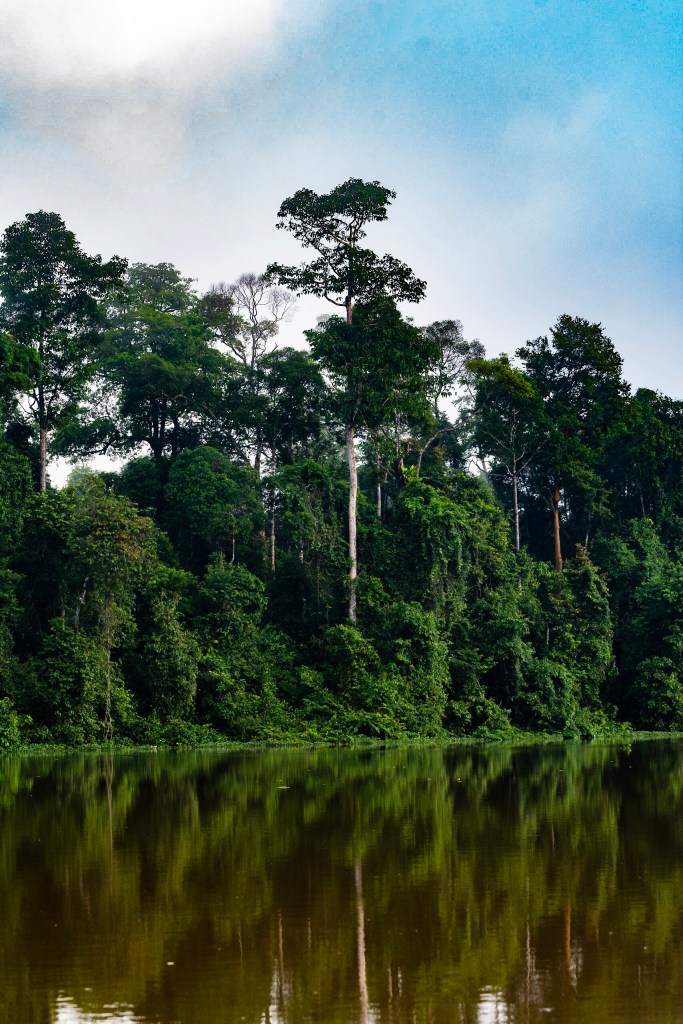
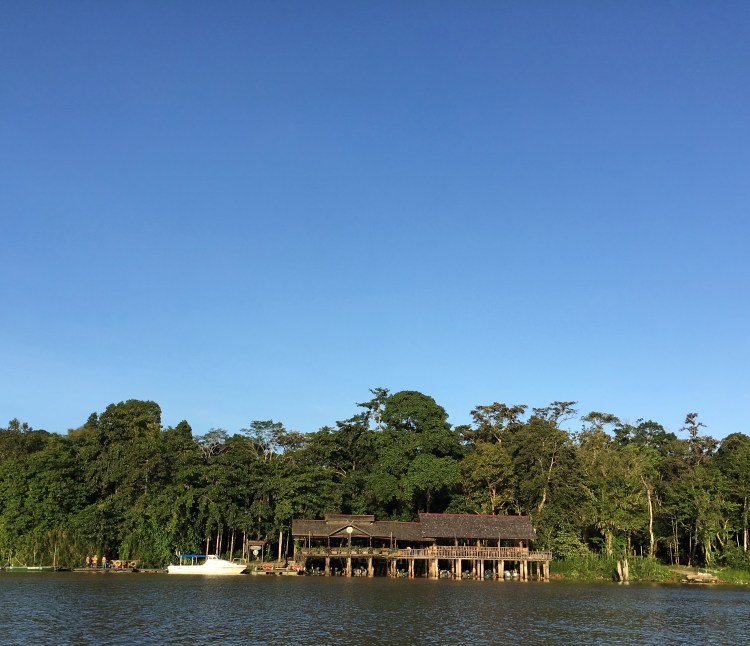
But the highlight this time was a few days on the Kinabatangan River, setting out at dawn and sunset, on the lookout for proboscis monkeys, pygmy elephants and of course, orang-utans, taking in the sights and sounds of this unique part of Borneo. One morning I woke to find a mother and her baby in the tree outside our villa at the Sukau Rainforest Lodge. I watched for an hour as the pair foraged for young leaves in the canopy overhear. Just magical.
If you’re into wildlife, make sure to visit soon, before more of this precious rainforest environment is lost forever.
If you can’t get to Borneo, check out The Call of the Wild for young adventure lovers.
I’m spending the week sharing ideas with budding young writers – all full of enthusiasm, eager to learn, and keen to find out what it take to become a writer. It goes without saying that if you want to be a writer you need to read, read, read and write, write, write. And the web is jam-packed with advice for writers. I’ve got a whole stack of writing tips on my website, too. But there’s so much more to being a writer than just writing. So, here are my top ten ideas for improving your writing when you’re not actually sitting at your desk.
Put down your phone. Step away from the TV screen. Creativity comes from letting your mind wander. You can’t do that if your brain is occupied every waking moment. Give yourself time to daydream.
Walk as much as you can. Exercise is essential for the body and the mind. Walk with friends if you need to share an idea, otherwise walking the dog or walking alone lets your creative energy flow. Leave the headphones at home.
Observe the world around you. See what’s actually going on, so you can write authentically. It’s the things that no one else notices that are important. Take photos to keep a record. (You can pick up your phone, now.)
Listen to conversations. They can be gold for writing dialogue.
Stay informed. Watch the news,listen to the radio, read a newspaper, or use an impartial news source as a homepage. Don’t just rely on opinion pieces and blogs. Everyone should know what’s going on in the world. And news stories can be a great source of inspiration for fiction.
Travel to broaden your mind. See how other people live. It gives you perspective on your own life. It’s also a great way to reboot the brain.
Volunteer. There’s always someone who needs your help. Volunteering is useful and it also makes you feel good.
Ask questions. If you don’t understand something, keep asking questions until you do.
Work hard. Having a dream is not enough. You have to work very, very hard to achieve your goals. And you have to finish things!
Be kind to others and to yourself. It’s the right thing to do. And negative energy zaps creativity.
I might look like I’m on holidays, but I’m hard at work here!
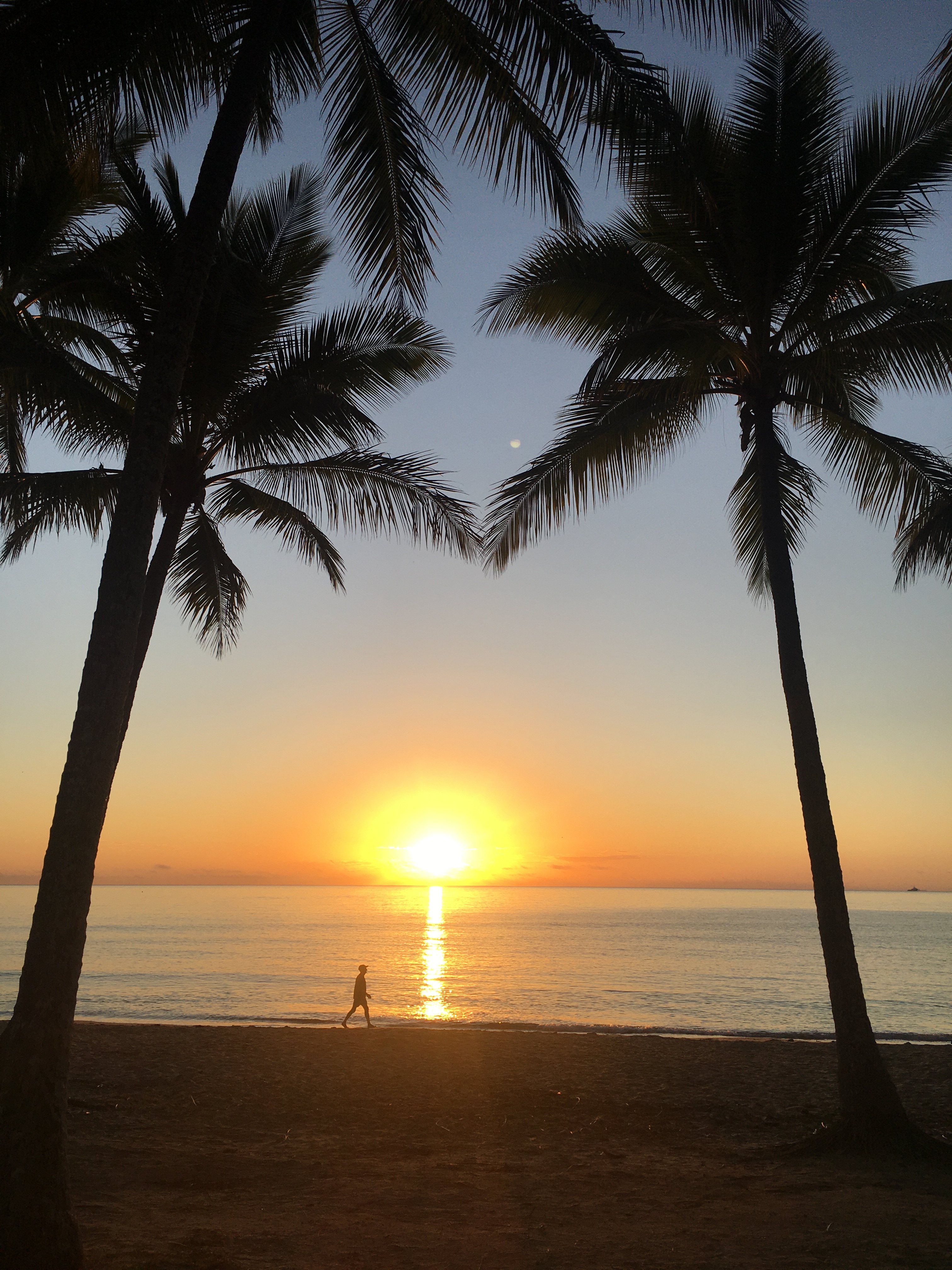
We don’t bother too much with winter in Queensland, but this year it feels like we’ve overlooked it entirely. A couple of chilly mornings and that was it, which might explain why my photo gallery is looking so much more impressive than my word count. It’s been too glorious to be indoors at my desk. And who can resist pointing a camera at a bright blue winter sky or a perfect sunrise.
Certainly not me.
Unfortunately my propensity for posting winter snaps has prompted a few awkward questions, like: Are you still writing?
Well, yes, of course. (Social media counts, right?)
In truth I’m working on a project that is proving a little trickier than I had hoped. Some stories just fly off the keyboard, others need to be prodded and poked and considered from every angle. They reveal themselves slowly. Unfortunately the latter seems to be the case for this one. Hopefully the finished product will be worth the wait!
I can’t offer too much detail, but I can give you a taste of what I’ve been up to these past few months, when I haven’t been prodding my story.
Books
Book Week always puts a spring in my step. This year I was invited to be part of the Ashgrove Literature Festival and also joined the celebrations at Faith Lutheran College, Redlands, sharing stories with an amazing bunch of kids who obviously really love reading. And what an inspirational group of librarians, teachers and staff I worked with during the week. Three cheers for you all. I don’t know how you do that every day!
Mountains
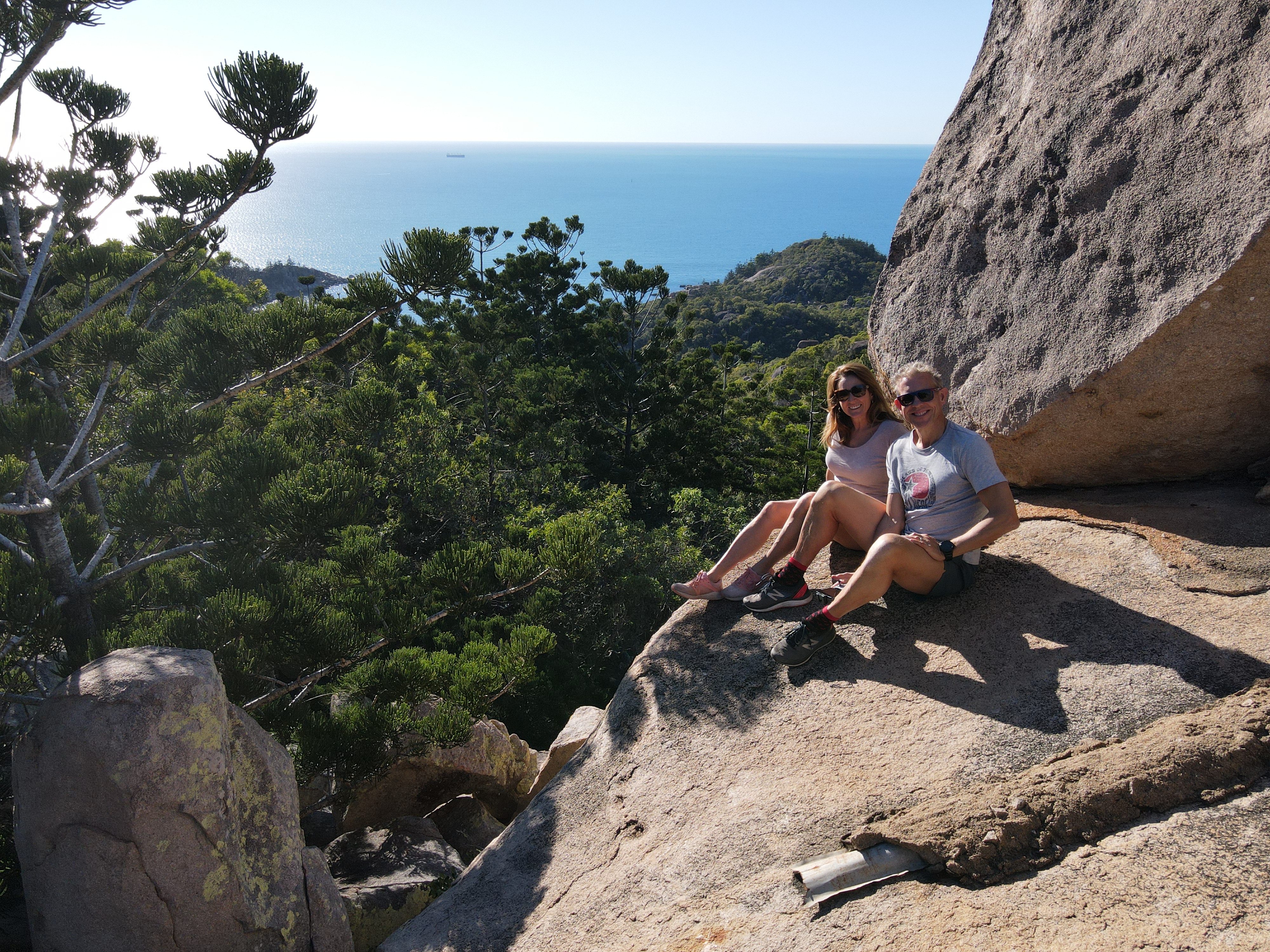
Mt Warning (above): The remains of a volcanic plug in the Tweed River region of NSW. Magnificent tropical rainforest and stunning views over Cape Byron and the Border Range. A four hour return walk if you keep up the pace. The final stretch is steep and rocky. Make sure you wear appropriate footwear and watch your step!
Nothing beats writer’s block like a good walk in the bush on a glorious winter’s day!
Mt Cooroora (below): Best known as the venue for the annual Pomona King and Queen of the Mountain race. It’s a steep climb but the views over the Sunshine Coast hinterland are definitely worth the trek. Race winners get up and back in less than 30 minutes, but I’d allow one to two hours.
Archie
It’s Archibald Prize time!
A visit to the Art Gallery of NSW to see the finalists in Australia’s most prestigious portrait prize is a must, but getting the chance to frock up, admire the portraits and meet a few of the artists is a very special treat. I was lucky enough to be mingling with celebs of the art world last week: getting the low down from Prize winner Mitch Cairns on the vibrant portrait of his artist-partner, Agatha Gothe-Snape, and gleaning some insight into the work of super-talented, Kim Leutwyler, who painted football star, Michelle Heyman, to secure a place in the Archibald exhibition.
Loved your work and your stories, and thank you for making me look cooler than I actually am!
Thanks also to my ever-glam book-group buddy, Elizabeth Blackwood for keeping me company while my hubby shared sartorial notes with iconic comedian Barry Humphries. Magenta rules!
You come across the most surprising characters at the Archibald Prize Exhibition.
So, that was my winter. Now, back to some proper work!
I was born in Mackay, North Queensland and grew up in Brisbane. I loved swimming and nature. I spent a lot of time exploring my local creeks and poking around the rock pools on Moreton Bay’s many islands. I hoped one day to become a vet, but I realised somewhere along the way that I was too squeamish for that, so I studied Journalism at QUT and became a news reporter instead. I worked in Australia, Hong Kong and London, covering all sorts of stories and exploring the world, gathering ideas that would eventually turn into books.
HOW DID YOU GET STARTED WITH FICTION?
My first book was inspired by a family holiday on the Noosa River in Queensland. My two sons teamed up with friends and spent the summer dodging stingrays, exploring the bush and building secret camps. I had to write about it.
The Hazard River series – for young adventure lovers.
I had no experience in writing fiction for children, but I had spent a decade working as a television news reporter in Australia, Hong Kong and London. I rather naively thought that this would see me through, but it turned out I had a lot to learn. My children, who were five and eight at the time, set me straight when my writing got too newsy!
By the end of the summer I had written a series of books about a gang of kids holidaying on Hazard River, coming up against rogue fishermen, smugglers and dodgy developers. The stories were full of fun and adventure, with a subtle message about threatened wildlife. My kids loved them. I just hoped that I could find a publisher who felt the same way.
A year or so later I met Ford Street Publishing’s Paul Collins at a book launch. I used the opportunity to subtly sidle up to Paul and pitch my books. (Paul tells a different version – apparently I was rather pushy!) A month later I had a four-book contract. Less than two years later Ford Street Publishing had released six books in the Hazard River series – Shark Frenzy, Tiger Terror, Bat Attack, Snake Surprise, Toads’ Revenge and Blood Money.
TELL US ABOUT YOUR LATEST BOOKS.
My most recent books are for girls. I’ve written two stories for the Choose Your Own Ever After series – How to Get to Rio and The Call of the Wild. The books let the reader decide how the story goes – with girlfriend dramas, boy troubles, family fun and plenty of decisions along the way.
In How to Get to Rio – schoolgirl Kitty McLean has to decide whether to go camping with her old friends or spend the holidays at an exclusive beach resort with her new friend. The big decision for nature-loving Phoebe in The Call of the Wild is whether to go to a party with her besties or help out at the save-the-orangutan fundraiser. The emphasis is on fun, but the stories present realistic dilemmas for girls to consider. For every choice there’s a consequence. But unlike other stories in the choose-your-own-adventure genre, no one dies in this series when they make a bad choice!
My latest book for young adults is Counterfeit Love.Lucy Yang is an ambitious young television news reporter trying to get to the bottom of a murky story. It was inspired by my years as a reporter in Hong Kong, but Lucy gets into more trouble than I ever did!
WHAT INSPIRES YOU?
I get my ideas from everywhere – my own misadventures, things that happen to my children, stories I read in the paper, conversations I overhear. Everything! Places that I’ve visited also feature heavily in my stories. Noosa is the setting for my first YA novel – Tall Dark and Distant.The magical ruined temples of Angkor, in Cambodia, is the backdrop of Lust and Found, while Counterfeit Love takes place in my old stomping ground – Hong Kong.
There’s a little bit of me in all of my stories and a lot of me in some of them! Phoebe from The Call of the Wildis a wildlife lover just like I was when I was a girl. I devoured everything I could find on African wildlife and hoped one day to work on a nature reserve. My life didn’t quite turn out that way, but I did go on a safari in Africa, which was amazing. I was also inspired by a visit to Borneo to see Orangutans. They are truly incredible but sadly they face a bleak future due to the destruction of their habitat.
WHAT IS YOUR WORK ENVIRONMENT LIKE?
I write best when I’m sitting at my desk. I don’t like distractions of any kind – which is very strange after working in a noisy, smoky newsroom. I also like to write when I’m on holidays on the Noosa River, where there is no internet!
WHAT DOES YOUR WRITING DAY LOOK LIKE?
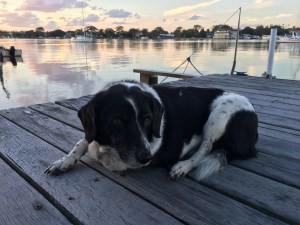
Once I have an idea in my head I write quickly. I settle myself in front of my computer and pound away for as much of the day as I can. I forget to pick up the kids from school, I ignore requests for dinner and Molly, the dog, looks on forlornly waiting for some attention. When I need a break to recharge my ideas I dash around getting things done and take Molly for a walk. I find walking, bike riding and napping extremely useful for getting through any kind of block.
DO YOU PLAN YOUR STORIES?
I always have an idea of where a story will start and finish before I begin writing. The details of the middle section get worked out as I go along. The Choose Your Own Ever After series was an exception. Each story has eight possible endings and various other choices along the way, so there were a lot of threads to tie in. I couldn’t just wing it with those stories, the plots had to be meticulously planned.
WHY DO YOU WRITE?
I write because I enjoy it. Also, it gives me an excuse to read a lot (to improve my writing), to travel (for inspiration) and to nap during the day (because it clears my head).
HAS ANYTHING SURPRISED YOU ABOUT WRITING?
I don’t think I was prepared for how much work goes into a book after it is published. Marketing is a vital aspect of writing, and school visits are an essential part of the job if you write for children. Anyone with a flair for stand-up comedy has an advantage in front of a group of school kids!
HOW ABOUT AWARDS?
I’ve been shortlisted for the West Australian Young Readers’ Book Awards. That’s exciting! And I’m on the list of Australia’s Amazing Animal Attacks. (See section on Garfish.) That’s a list I didn’t want to be on!
I will be winging my way to your side of the country soon – visiting schools in the Perth area from May 15-19, 2017. If you would like me to spend the day at your school – talking about story ideas, characters, the Choose Your Own Ever After series, Hazard River, orang-utans and more, please contact me directly or you can book a visit through Speakers Ink or Creative Net. I run workshops and talks for students in primary and secondary schools.
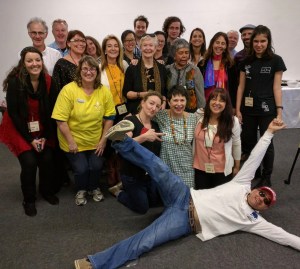
The full line-up for Voices on the Coast 2016: (Some didn’t make the photo but I’ll let you work out who was there and who wasn’t!) Deborah Abela, Christine Bongers, Janeen Brian, Peter Carnavas, Gary Crew, Shelley Davidow, Gregg Dreise, Kirsty Eagar, Brain Falker, Fleur Ferris, Julie Fison, Serena Geddes, Leigh Hobbs, Dean Jacobs, Andrew King, Sarah Kinsella, Russell Fletcher, Jan Latta, Rebecca Lim, Lynette Noni, James Phelan, Darrell Pitt, Leila Rudge, Katryna Starks, Ellen van Neervan, Nova Weetman, Samantha Wheeler, Philip Wilcox, Lesley Williams, Tammy Williams and Kelly Dunham (Festival Coordinator).
The perfect reading material for young adventurers – the Hazard River series.
“Thank you for such a great day. The girls and teachers thoroughly enjoyed your sessions, it was wonderful to hear them speak so positively about the tips and drafting skills you shared.” St Aidan’s Anglican Girls’ School
At the beginning of the year I made a commitment to take a break from the routine as much as possible, and do more. I know it’s only February, and it may be too early to be crowing about my success on the resolutions front, but so far, so good.
No Feb Fast for me, it’s been a feast for the mind, body and senses – in Thailand and in my own beautiful state of Queensland. (If you haven’t discovered Girraween National Park – you need to. But maybe not on the hottest weekend of the year!)
I have to admit my word count is looking a little sad, but I’m back at my desk now and busily working on two projects for young adults.
Maybe next year my resolution will have to be do more work!
In other February news, The Call of the Wild (part of the Choose Your Own Ever After series) has been shortlisted for the West Australian Young Readers’ Book Award. I’m very excited to be among some brilliant writers. Congrats to everyone on the list!
























 I have written eleven books for children and young adults. My books include the
 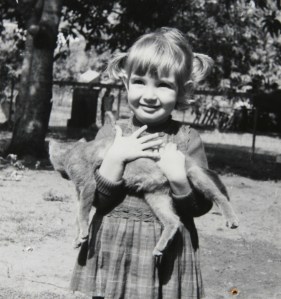 I was born in Mackay, North Queensland and grew up in Brisbane. I loved swimming and nature. I spent a lot of time exploring my local creeks and poking around the rock pools on Moreton Bay’s many islands. I hoped one day to become a vet, but I realised somewhere along the way that I was too squeamish for that, so I studied Journalism at QUT and became a news reporter instead. I worked in Australia, Hong Kong and London, covering all sorts of stories and exploring the world, gathering ideas that would eventually turn into books.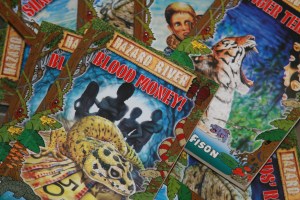


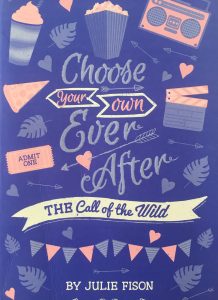 My most recent books are for girls. I’ve written two stories for the
  stories in the choose-your-own-adventure genre, no one dies in this series when they make a bad choice!


 There’s a little bit of me in all of my stories and a lot of me in some of them! Phoebe from
 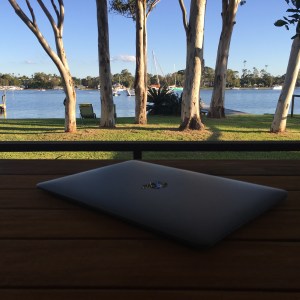 I write best when I’m sitting at my desk. I don’t like distractions of any kind – which is very strange after working in a noisy, smoky newsroom. I also like to write when I’m on holidays on the Noosa River, where there is no internet!


 I don’t think I was prepared for how much work goes into a book after it is published. Marketing is a vital aspect of writing, and school visits are an essential part of the job if you write for children. Anyone with a flair for stand-up comedy has an advantage in front of a group of school kids!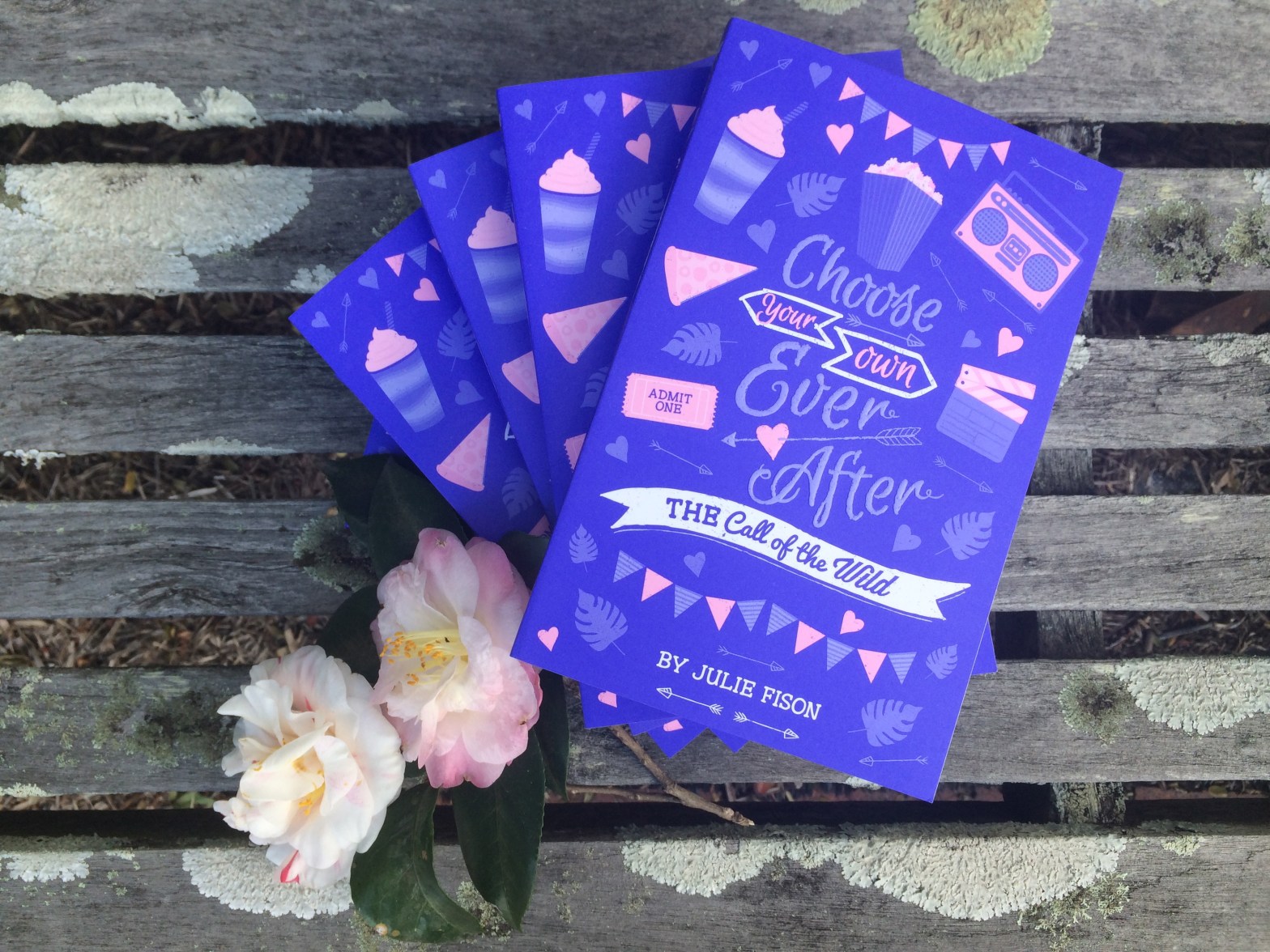


 “Thank you for such a great day. The girls and teachers thoroughly enjoyed your sessions, it was wonderful to hear them speak so positively about the tips and drafting skills you shared.” St Aidan’s Anglican Girls’ School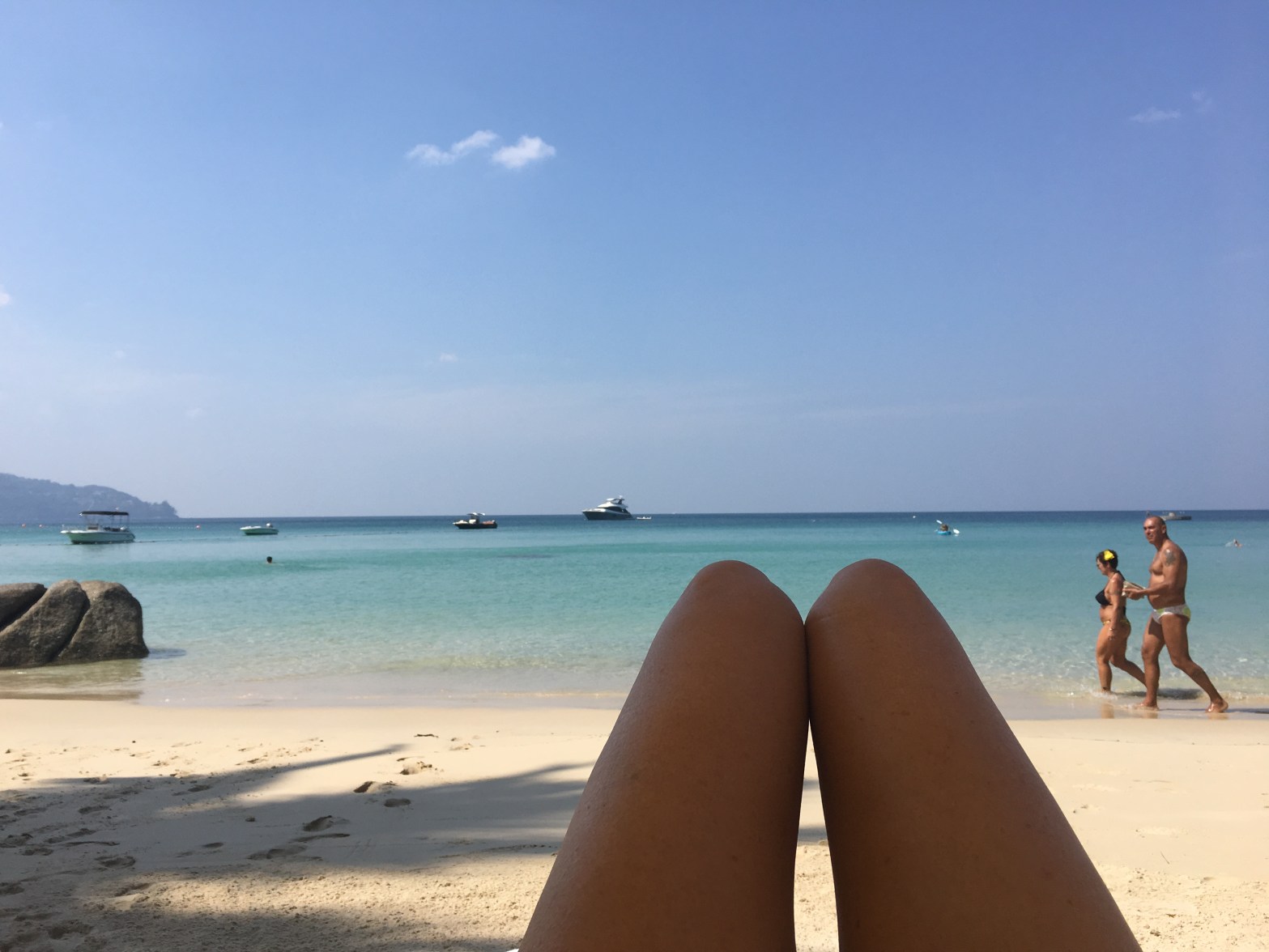


 Julie Fison